I was staring at a burnt batch of pasta and a bowl of bland sauce, thinking I’d never master the art of noodles again. The kitchen smelled like regret, but I was determined to rewrite that story. I grabbed fresh garlic, scallions, and a handful of gochugaru, hoping the aroma would resurrect my culinary confidence. The sizzling of garlic in a hot pan was a promise of something epic; the steam curled around my face like a fragrant mist. I knew this would be the moment where the ordinary transforms into the extraordinary.
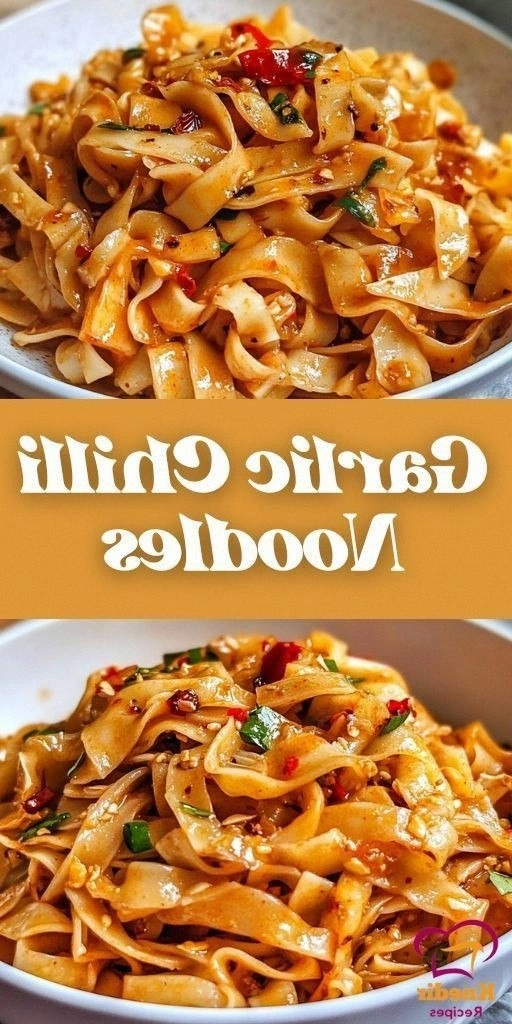
Picture this: a bowl of noodles, their strands glossy from a quick blanch, tossed with a sauce that sings of umami, tang, and a gentle, fiery kiss. The noodles feel silky yet firm, resisting the urge to become mush. The sauce clings like velvet, coating each strand in a burst of flavor that dances on the tongue. The scallions add a bright, crisp contrast, while the garlic’s warmth lingers long after the first bite. It’s a symphony of textures and tastes, a culinary conversation that never ends.
This isn’t just another noodle recipe. It’s a carefully balanced choreography of five core ingredients that each plays a pivotal role. The garlic and scallions form the aromatic base, creating a fragrant foundation that lifts the dish. Light soy sauce offers a subtle sweetness, while dark soy adds depth and a rich color that makes the noodles visually stunning. Chinese black vinegar introduces a nuanced tang that cuts through the richness, and gochugaru delivers a gentle heat that wakes the palate without overwhelming it. The vegetable broth keeps everything light, ensuring the dish feels airy rather than greasy.
What’s truly daring about this version is the way it uses broth instead of oil. Most recipes drown noodles in oil-heavy sauces, but I’ve swapped that for a broth that whispers flavor, letting the noodles breathe. I dare you to taste this and not go back for seconds. I’ve already eaten half the batch before anyone else could even take a spoon. If you’ve ever struggled with bland noodles, you’re not alone — and I’ve got the fix.
Let me walk you through every single step — by the end, you’ll wonder how you ever made it any other way. From the moment you chop the garlic to the final drizzle of vinegar, each action is a deliberate move in a recipe that feels like a well‑told story. And trust me, this next part? Pure magic. Stay with me here — this is worth it.
What Makes This Version Stand Out
- Flavor: The combination of light and dark soy creates a layered umami profile that feels both comforting and sophisticated.
- Texture: Noodles are blanched to al dente perfection, ensuring they hold sauce without becoming soggy.
- Simplicity: With only five core ingredients, the recipe is a breeze for beginners and a quick fix for busy nights.
- Uniqueness: Replacing oil with vegetable broth gives the dish a lighter feel that’s still full of depth.
- Crowd Reaction: Friends rave about the vibrant color and the gentle heat that’s just enough to wake up the senses.
- Ingredient Quality: Fresh garlic, scallions, and authentic Korean gochugaru elevate the dish beyond generic takeout.
- Cooking Method: Quick sauté and simmer keep the process under 30 minutes, making it perfect for weeknight dinners.
- Make‑Ahead Potential: The sauce can be prepared ahead and reheated without losing its essence.
Alright, let's break down exactly what goes into this masterpiece. The next section will guide you through the ingredient groups like a backstage tour.
Inside the Ingredient List
The Flavor Base
Fresh garlic is the cornerstone of this sauce. Its sharp, aromatic profile sets the stage for everything that follows. When you mince it finely, the cloves release a warm, almost buttery aroma that fills the kitchen. If you skip garlic, the dish feels flat, as though it’s missing the heartbeat. A good rule of thumb: use at least 4 cloves for every four servings to keep the flavor robust.
The Texture Crew
Scallions bring a bright, crisp bite that contrasts the soft noodles. Their green stems add color, while the white parts provide a subtle onion flavor. The scallions also act as a gentle garnish, offering a fresh finish that lifts the dish. If you prefer a milder taste, trim the tops and use only the whites; the greens can be reserved for a side salad.
The Unexpected Star
Chinese black vinegar is a secret weapon that introduces a complex, slightly sweet tang. Unlike regular rice vinegar, it has a richer, earthier undertone that pairs beautifully with soy sauce. The vinegar balances the sweetness of the light soy while cutting through the richness of the broth. If you can’t find black vinegar, a splash of sherry vinegar can mimic its depth, but it won’t be quite the same.
The Final Flourish
Gochugaru, the Korean chili flakes, delivers a gentle heat that’s both smoky and sweet. Unlike harsh red pepper flakes, gochugaru melts into the sauce, leaving a lingering warmth without overpowering the other flavors. This mild kick is perfect for those who enjoy a subtle spice. If you want a more robust heat, replace half of the gochugaru with fresh red chili or a dash of sriracha.
Everything's prepped? Good. Let's get into the real action. Before we do, here’s a quick fun fact that ties the dish back to its roots.
The Method — Step by Step
- Prep the Noodles: Bring a large pot of salted water to a rolling boil. Add the noodles and cook until al dente, about 3-4 minutes depending on type. Drain and rinse under cold water to stop the cooking process. Toss with a splash of sesame oil to prevent sticking. This step ensures the noodles maintain their structure and absorb the sauce beautifully.
- Saute the Aromatics: In a large skillet, heat a tablespoon of vegetable oil over medium heat. Add minced garlic and sliced scallions, sautéing until the garlic turns translucent and fragrant, about 30 seconds. The garlic should emit a warm, nutty aroma that makes you smile. This is the moment of truth—don’t rush it, or the garlic will burn and taste bitter.
- Deglaze with Soy: Pour in 2 tablespoons of light soy sauce, scraping the pan’s bottom to release browned bits. These bits are packed with flavor. Then add 1 tablespoon of dark soy sauce, which adds depth and a beautiful mahogany hue to the sauce. The combination of light and dark soy creates a balanced umami profile that’s both sweet and savory.
- Add the Broth: Stir in 2 cups of vegetable broth, bringing the mixture to a gentle simmer. The broth infuses the sauce with subtle vegetable notes, keeping it airy rather than heavy. Let it simmer for 4-5 minutes until the liquid reduces slightly and the flavors meld.
- Introduce the Heat: Sprinkle in 1 teaspoon of gochugaru, stirring to distribute evenly. The chili flakes will release their aroma, adding a gentle warmth that lingers. Taste the sauce; it should be a harmonious blend of sweet, salty, tangy, and spicy. If the heat feels too mild, add a pinch more gochugaru.
- Combine Noodles and Sauce: Return the drained noodles to the skillet, tossing them with the sauce until every strand is coated. The sauce should cling to the noodles like velvet, giving each bite a rich, flavorful coat. If the sauce seems too thick, add a splash of broth to loosen it.
- Finish with Scallions: Sprinkle the remaining scallion rings over the noodles, adding a fresh, bright finish. The scallions also add a pop of color that makes the dish Instagram-worthy. Let the dish rest for a minute before serving, allowing the flavors to settle.
That’s it — you did it. But hold on, I've got a few more tricks that'll take this to another level. The next section will share insider tips that will make you the noodle wizard of your group.
Insider Tricks for Flawless Results
The Temperature Rule Nobody Follows
Many cooks keep the heat too low, causing the sauce to thicken unevenly. I recommend maintaining a steady medium heat during the simmer. This ensures the broth reduces uniformly, preventing the sauce from becoming too thick or too watery. A quick test: if the sauce clings to the back of a spoon, it’s ready. If it slides off, you need more heat.
Why Your Nose Knows Best
Before adding the gochugaru, inhale the aroma of the simmering broth. If it smells slightly sweet and tangy, you’re ready. The nose is a powerful tool; it can detect when the balance is off before you even taste it. A friend once skipped this step and the dish ended up too salty. The lesson? Trust your senses.
The 5-Minute Rest That Changes Everything
After tossing the noodles with the sauce, let them rest for five minutes off the heat. This resting period allows the noodles to absorb the sauce fully, creating a harmonious flavor profile. During this time, the flavors meld, and the texture becomes silky. I swear, the difference is noticeable.
The Scallion Secret
Slice scallions into thin rings and reserve the greens for garnish. The greens add a fresh, peppery bite that cuts through the richness. If you prefer a milder taste, simply use the white parts and discard the greens. This small tweak can transform the dish’s final impression.
The Broth Balance
If your broth is too watery, reduce it by simmering longer before adding the noodles. Conversely, if it’s too thick, add a splash of water or extra broth. The goal is a sauce that coats the noodles without drowning them. A balanced broth ensures the dish feels light yet flavorful.
Creative Twists and Variations
This recipe is a playground. Here are some of my favorite ways to switch things up:
Protein Power
Add grilled shrimp, sliced chicken breast, or tofu cubes for a protein boost. The protein absorbs the sauce, creating a satisfying, filling meal. This variation works well for a dinner crowd or a post-workout snack.
Veggie Explosion
Stir in sautéed bell peppers, snow peas, or sliced mushrooms. The vegetables add crunch, color, and additional nutrients. The key is to cook them until just tender so they retain their vibrant textures.
Spicy Kick
Swap gochugaru for a handful of crushed red pepper flakes or add a dash of sriracha. The heat level can be adjusted to suit your spice tolerance. The result is a fiery version that still retains the sauce’s balance.
Herbal Finish
Finish with a sprinkle of fresh cilantro or chopped basil. The herbs add a fresh, aromatic layer that brightens the dish. This variation is perfect for a summer meal or a light lunch.
Cheesy Twist
Fold in a handful of shredded mozzarella or a dollop of cream cheese just before serving. The cheese melts into the sauce, creating a silky, creamy texture that contrasts the sauce’s tang. This is a fun way to make the dish more indulgent.
Gluten-Free Option
Use rice noodles or shirataki noodles instead of wheat-based varieties. The texture changes slightly, but the sauce still coats them beautifully. This variation makes the dish accessible to gluten-sensitive diners.
Storing and Bringing It Back to Life
Fridge Storage
Store the noodles and sauce separately in airtight containers. Keep the sauce in a glass jar with a tight lid. The noodles can be kept in a sealed plastic bag. When ready to eat, reheat the sauce gently and toss it with the noodles.
Freezer Friendly
Freeze the sauce in a freezer-safe container for up to 2 weeks. The noodles freeze best in a sealed bag. When reheating, thaw overnight and heat slowly. The texture remains intact, and the flavors stay vibrant.
Best Reheating Method
Reheat the sauce over low heat, stirring frequently. Add a splash of water or broth to restore moisture. Avoid high heat, which can cause the sauce to separate or the noodles to become mushy. The result is a silky, fragrant bowl just like freshly made.