Picture this: a midnight kitchen, the faint hum of the fridge, and a sudden craving for something that feels like a hug in a bowl. I was standing in front of my pantry, scrolling through a thousand recipes, when a friend dared me to make the ultimate teriyaki salmon that would make even the most seasoned foodie swoon. I laughed, grabbed a fillet, and let the aroma of garlic and ginger begin its slow dance. The kitchen smelled like a summer garden, but the heat was coming from the oven, not the sun.
I remember the first time I tried a store-bought teriyaki sauce and it tasted like a sweet, syrupy disappointment. That night I decided to rewrite the rules. I mixed soy, mirin, and a touch of brown sugar until it glistened like a glossy lake. The fillets lay there, patiently waiting, and the sauce began to coat them in a silky, almost velvet-like glaze. I could already hear the sizzle as the salmon hit the pan, the sound of a promise kept. That moment, that first bite, was a revelation.
What makes this version stand out? It’s not just the flavor. It’s the texture that shatters like thin ice when you press it with a fork, the subtle sweetness that balances the umami, the quickness of the bake, and the way the sesame seeds give a crunchy counterpoint. It’s a dish that feels like a celebration, a hug, and a dare all at once. I’ll be honest — I ate half the batch before anyone else got to try it. I dare you to taste this and not go back for seconds.
Most recipes get this completely wrong by overcooking the salmon or using too much sauce. Here’s what actually works: a precise oven temperature, a quick glaze, and a finishing touch of sesame. Picture yourself pulling this out of the oven, the whole kitchen smelling incredible, and the plate glistening like a polished trophy. Let me walk you through every single step — by the end, you'll wonder how you ever made it any other way.
What Makes This Version Stand Out
- Flavor: The sauce is a harmonious blend of sweet and savory, with a subtle kick from fresh ginger that cuts through the richness of the salmon.
- Texture: The salmon stays moist inside while developing a slightly caramelized crust that adds a satisfying bite.
- Speed: The entire process takes under 45 minutes, making it a perfect weekday dinner without sacrificing quality.
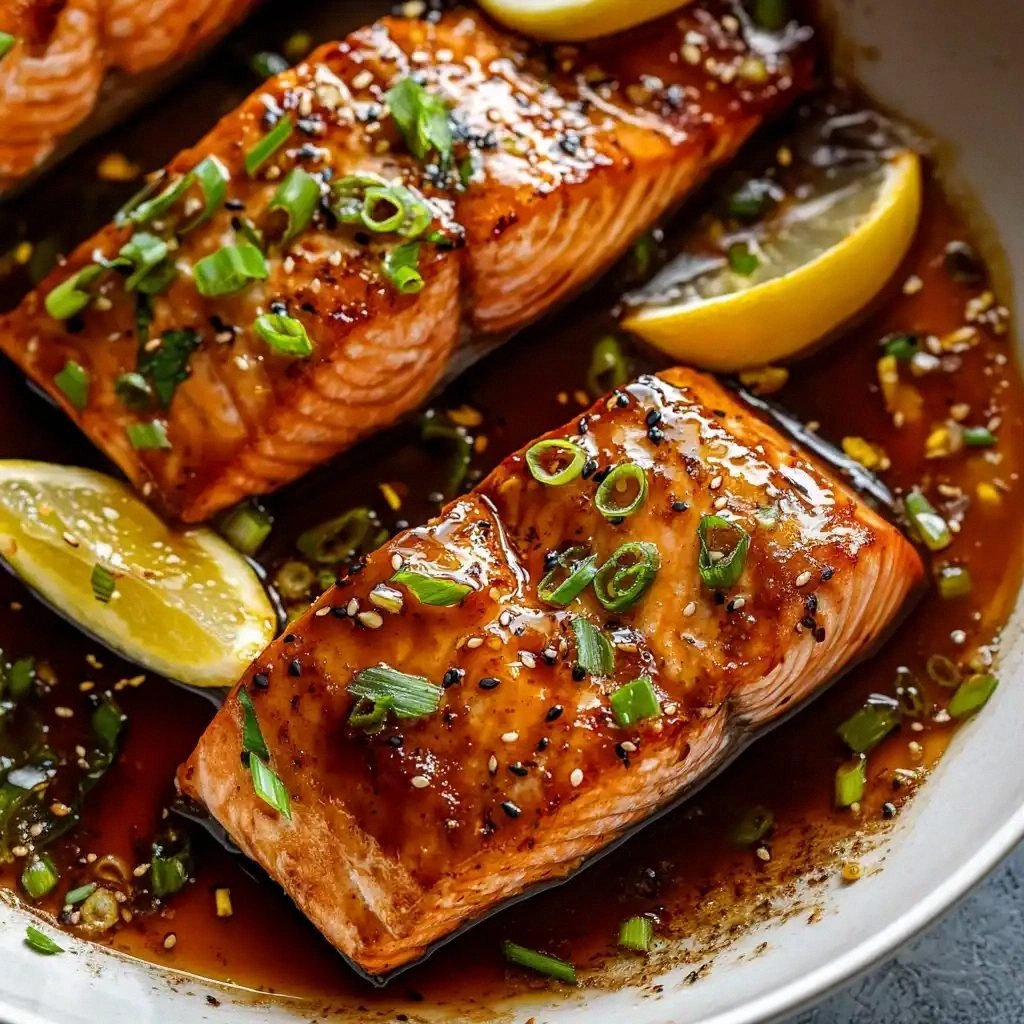
- Visual Appeal: The glossy glaze and toasted sesame seeds create an Instagram-worthy plate that feels like a culinary masterpiece.
- Ingredient Quality: Using fresh salmon and homemade teriyaki sauce elevates the dish beyond the canned or pre-made options.
- Versatility: It pairs beautifully with rice, quinoa, or a simple green salad, making it suitable for both casual and formal occasions.
- Make‑Ahead Friendly: Marinate the salmon a few hours before, and it stays fresh, allowing you to prep ahead for busy days.
- Health Conscious: The recipe balances healthy omega‑3s from salmon with the natural sweetness of honey or brown sugar.
Alright, let's break down exactly what goes into this masterpiece...
Inside the Ingredient List
The Flavor Base
Teriyaki sauce is the heart of this dish. It’s a sweet, savory glaze that coats the salmon like velvet, turning each bite into a burst of umami and caramelized sugar. When you mix soy sauce, mirin, and a touch of honey, you create a sauce that’s both balanced and complex. Skipping this step would leave the fillets bland and devoid of that signature sheen.
If you can’t find a pre‑made teriyaki sauce, whip up your own. Combine 1/4 cup soy sauce, 1/4 cup mirin, 2 tbsp honey or brown sugar, and a splash of rice vinegar. Simmer until it thickens to a glaze consistency. This homemade version is fresher and less processed than store‑bought.
The Texture Crew
Fresh salmon fillets are the star. Look for fillets that are firm to the touch, with a bright pink hue and a mild scent of the sea. The quality of the fish directly impacts the mouthfeel; a poor-quality fillet will be mushy and flavorless.
Garlic and ginger are essential for depth. Mince 2 cloves of garlic finely, and grate 1 tsp of fresh ginger. Their aromatic oils mingle with the sauce, creating layers of flavor that dance on your palate. If you’re allergic or sensitive, you can substitute garlic powder and ginger powder, but fresh will always win.
The Unexpected Star
Sesame oil and sesame seeds are subtle yet powerful. A teaspoon of sesame oil adds a nutty aroma that complements the soy-based glaze. Toasted sesame seeds, sprinkled on top, provide a delightful crunch that contrasts the tender fish. If you’re vegan, a splash of toasted sesame oil can replace the fish’s natural oils for a similar effect.
The green onions add a bright, fresh note that cuts through the sweetness, while the brown sugar or honey balances the saltiness of the sauce. Together, they create a symphony of flavors that makes this dish unforgettable. Everything's prepped? Good. Let's get into the real action...
The Method — Step by Step
- Preheat the oven to 400°F (200°C). A hot oven ensures a quick caramelization of the glaze. While the oven warms, line a baking sheet with parchment paper to prevent sticking. This step also helps you keep the kitchen clean, which is always a win. Once the oven reaches the temperature, you’re ready to move on.
- Marinate the salmon. Place the fillets in a shallow dish and pour the teriyaki glaze over them. Use a spoon to coat each fillet evenly, ensuring the sauce touches every surface. Cover the dish with plastic wrap and refrigerate for at least 30 minutes, or up to 2 hours for deeper flavor. The longer it marinates, the more the fish absorbs the sweet‑savory essence.
- Prepare the aromatics. While the salmon rests, mince the garlic and grate the ginger. Combine them with 1 tsp of sesame oil in a small bowl. This mixture will be brushed over the fillets to add a fragrant, nutty layer that enhances the glaze. The aroma alone will have your guests anticipating the first bite.
- Arrange the fillets on the baking sheet. Place the marinated salmon skin‑side down on the parchment. Space them evenly so the heat can circulate. If you’re using a cast‑iron skillet, it will give the fillets a slightly crisp edge. This is the moment of truth – the fillets are ready to transform.
- Bake the salmon. Slide the sheet into the preheated oven and bake for 12–15 minutes. The fillets should be opaque and flake easily with a fork. Watch the edges; they should start pulling away from the skin, indicating a perfect finish. If you prefer a slightly charred crust, bake for an additional 2 minutes.
- Brush with aromatics. After the first 8 minutes of baking, take the fillets out and brush the garlic‑ginger‑sesame oil mixture over the tops. Return them to the oven for the remaining time. This step adds a fragrant, glossy finish and a subtle crunch. The glaze will caramelize beautifully, turning the salmon into a golden masterpiece.
- Finish with sesame seeds. About 2 minutes before the fillets are done, sprinkle 1 tbsp of toasted sesame seeds over each piece. The seeds will toast in the oven, releasing a nutty aroma that elevates the dish. The final glance of seeds gives a visual pop that signals the dish is ready to serve.
- Plate and serve. Transfer the salmon to a warm platter. Garnish with sliced green onions and a squeeze of lime if desired. The contrast between the sweet glaze and the bright onion creates a balanced flavor profile. Serve immediately to enjoy the texture at its peak.
That’s it — you did it. But hold on, I've got a few more tricks that'll take this to another level...
Insider Tricks for Flawless Results
The Temperature Rule Nobody Follows
Many people bake salmon at 350°F, which leads to uneven cooking. By baking at 400°F, you achieve a crisp exterior while keeping the interior silky. The higher heat caramelizes the glaze faster, creating that irresistible sheen. Remember to keep the oven door closed to maintain consistent temperature.
Why Your Nose Knows Best
Trust the aroma as a cue for doneness. When the salmon emits a sweet, slightly caramelized scent, it’s almost done. If you’re a visual learner, look for the color shift from translucent to opaque. The smell is the fastest, most reliable indicator.
The 5‑Minute Rest That Changes Everything
After removing the salmon from the oven, let it rest for 5 minutes. This allows the juices to redistribute, preventing a dry bite. The glaze also sets, making it easier to slice without sticking. A quick rest is a small step that pays off big time.
The Garlic‑Ginger Combo
Don’t skimp on the aromatics. The garlic and ginger provide a flavor backbone that balances the sweetness. If you’re short on ginger, a dash of ground ginger works, but fresh is unbeatable. The combination also gives the dish a subtle heat that lingers on the palate.
The Sesame Finish
Toast the sesame seeds before adding them to the salmon. This brings out their nutty flavor and adds a crunchy texture. A quick sauté in a dry pan for 2 minutes does the trick. The toasted seeds also add a visual contrast, making the dish more appetizing.
Creative Twists and Variations
This recipe is a playground. Here are some of my favorite ways to switch things up:
Spicy Pineapple Teriyaki
Add diced pineapple and a dash of sriracha to the glaze. The tropical sweetness pairs beautifully with the heat, creating a vibrant, tropical vibe that’s perfect for summer gatherings.
Citrus‑Infused Glaze
Swap half of the soy sauce for orange or yuzu juice. The citrus adds brightness and a subtle tang that lifts the dish. It’s a great way to keep the recipe fresh and exciting.
Miso Teriyaki Fusion
Blend 1 tbsp of white miso into the sauce for a deeper umami profile. The miso adds a savory depth that complements the sweet glaze, giving the dish a Japanese‑fusion twist.
Herb‑Garden Variation
Incorporate chopped parsley, cilantro, or basil into the garnish. The herbs bring a fresh, green note that cuts through the richness, making the dish lighter and more vibrant.
Smoky Chipotle Teriyaki
Add a teaspoon of chipotle powder to the glaze for a smoky, peppery undertone. The heat from the chipotle pairs well with the sweetness, creating a complex flavor profile that will wow any spice lover.
Vegan Salmon Substitute
Use marinated tofu or tempeh instead of salmon for a plant‑based version. The tofu will absorb the glaze, and the tofu’s neutral flavor will let the teriyaki shine. It’s a hearty, protein‑rich alternative for vegetarians.
Storing and Bringing It Back to Life
Fridge Storage
Store leftovers in an airtight container for up to 3 days. Keep the glaze separate if you want to reheat the salmon without it becoming overly sticky. When you’re ready to eat, gently reheat in a skillet over medium heat for 2–3 minutes.
Freezer Friendly
Wrap the cooked fillets in parchment paper and then foil before freezing. They stay fresh for up to 2 months. Thaw overnight in the fridge, then reheat in a preheated oven at 350°F for 10 minutes.
Best Reheating Method
Add a tiny splash of water or broth to the pan before reheating. This steams the salmon back to perfection, preventing it from drying out. Finish with a quick drizzle of sesame oil for that original aroma.