Picture this: it’s a Saturday morning, the alarm is screaming, and you’re half‑asleep, but the kitchen smells like a caramel‑kissed dream that refuses to let you stay in bed. That’s exactly what happened to me when a batch of over‑ripe bananas and a stubborn jar of brown sugar staged a culinary mutiny, demanding a redemption that only a pancake could provide. I tossed the bananas into a bowl, added a splash of milk, and before I knew it, the batter was bubbling with promise. The first pancake hit the pan with a sizzle that sounded like applause, and the aroma that rose was a perfect blend of sweet, buttery, and faintly spicy, like a warm hug from your favorite grandma mixed with the excitement of a carnival ride.
Now, I won’t lie: I’ve tried a dozen banana pancake recipes, and most of them left me with soggy centers or a flavor that felt flat, like a song missing its chorus. This version, however, flips the script entirely. The secret? A generous swirl of brown sugar that caramelizes just enough to give each bite a crisp edge, while the bananas keep the interior moist and tender, like a cloud that refuses to evaporate. The result is a stack that’s both crisp and fluffy, sweet but never cloying, and it’s so addictive that I dare you to taste this and not go back for seconds.
What really sets this recipe apart is the balance of textures and flavors—imagine a pancake that crunches at the edges like a caramelized sugar crust, then melts in your mouth with the buttery softness of a fresh‑baked biscuit. I threw in a pinch of cinnamon for that subtle warmth, and a splash of vanilla that rounds everything out like a perfect bow on a gift. Plus, the technique I’m about to share is so simple you’ll wonder why anyone ever settled for “good enough.” I’m talking about a method that guarantees even cooking, no burnt spots, and a golden hue that looks like it belongs on a food‑photography Instagram feed.
And here’s the kicker: I’m going to reveal a tiny tweak involving a quick banana‑brown‑sugar caramel that you won’t find in any other recipe. It’s a game‑changer that adds depth without extra effort. So, buckle up, because we’re about to dive into the most irresistible banana pancake you’ll ever make at home. Let me walk you through every single step — by the end, you’ll wonder how you ever made it any other way.
What Makes This Version Stand Out
- Flavor Explosion: The brown sugar doesn’t just sweeten; it caramelizes, creating a buttery, toffee‑like crust that sings with every bite.
- Texture Harmony: A crisp edge meets a cloud‑soft interior, delivering a contrast that feels like biting into a dream wrapped in a crunchy blanket.
- Simplicity: Only pantry staples are needed, so you won’t have to run to the store for exotic ingredients.
- Unique Technique: A quick caramelization step with the bananas locks in moisture and adds a subtle depth that most recipes miss.
- Crowd‑Pleaser: Whether it’s kids, picky eaters, or brunch‑savvy friends, this pancake gets rave reviews and repeat requests.
- Ingredient Quality: Ripe bananas and real brown sugar are the stars; they bring natural sweetness and a hint of molasses.
- Cooking Method: Even heat distribution on a pre‑heated skillet ensures every pancake is perfectly golden.
- Make‑Ahead Potential: The batter can rest for 10 minutes, allowing the flour to hydrate fully for fluffier results.
Inside the Ingredient List
The Flavor Base
Brown sugar is the unsung hero here. Its molasses undertones create that caramelized crust we all crave, and it pairs perfectly with the natural sweetness of ripe bananas. If you skip it, you’ll end up with a pancake that tastes like plain batter—nothing exciting. For a deeper flavor, use dark brown sugar; it adds a richer, almost toffee‑like nuance. When shopping, look for sugar that’s moist to the touch; that indicates it still has some of its natural molasses intact.
The Texture Crew
All‑purpose flour provides the structure, while baking powder and baking soda give the lift that makes the pancakes airy. The combination of the two leavens ensures they rise quickly and stay fluffy. If you substitute whole‑wheat flour, expect a denser crumb and a nuttier flavor—great for a hearty twist, but not the classic lightness we’re aiming for. Salt, though used sparingly, amplifies the sweetness and balances the overall flavor profile.
The Unexpected Star
Ripe bananas are more than just a flavor carrier; they act as a natural sweetener and add moisture, eliminating the need for extra oil in the batter. The darker the banana, the more intense the banana flavor and the richer the color. If you only have slightly ripe bananas, mash them thoroughly and consider adding an extra tablespoon of brown sugar to compensate. When selecting bananas, look for those with brown spots and a soft give—those are the ones that will mash into a silky puree.
The Final Flourish
Buttermilk (or regular milk with a splash of lemon) adds a gentle tang that cuts through the sweetness, while the eggs bind everything together, creating that cohesive batter. Melted butter contributes richness and helps the pancakes develop that coveted golden crust. A dash of vanilla extract rounds out the flavor, giving it that bakery‑level finish. If you’re dairy‑free, substitute almond milk and coconut oil; the texture will stay lush, and you’ll get a subtle nutty note.
Everything's prepped? Good. Let's get into the real action...
The Method — Step by Step
First, whisk together the dry ingredients: flour, brown sugar, baking powder, baking soda, cinnamon, and salt. The mixture should look speckled and uniform, with no clumps of flour. This is the foundation that will give you that light, airy texture. As you stir, imagine each grain of flour as a tiny balloon waiting to be inflated.
In a separate bowl, mash the bananas until they’re almost liquid, then whisk in the eggs, melted butter, vanilla, and milk (or buttermilk). The batter should be glossy and slightly thick, like a smooth caramel. This is where the magic starts to happen—the bananas are already beginning to caramelize in their own sweetness.
Kitchen Hack: Add the melted butter while the bananas are still warm; it helps the butter emulsify better, creating a smoother batter.Combine the wet and dry mixtures, folding gently until just incorporated. A few lumps are okay—over‑mixing will develop gluten and make the pancakes tough. You’ll notice the batter thickening slightly as the flour absorbs the liquid, forming a velvety texture that’s ready to hit the pan.
Let the batter rest for exactly 10 minutes. This pause allows the baking powder to activate fully and the flour to hydrate, resulting in a fluffier interior. While you wait, preheat a non‑stick skillet over medium‑low heat and add a thin layer of butter or oil. The pan should be hot enough that a few droplets sizzle instantly but not so hot that the butter burns.
Once the pan is ready, spoon about ¼ cup of batter per pancake onto the surface. Immediately sprinkle a light dusting of extra brown sugar on top; this will caramelize and form that coveted crunchy edge. You’ll hear a satisfying sizzle—That sizzle when it hits the pan? Absolute perfection.
Cook the pancakes for 2‑3 minutes, watching the edges set and the surface develop tiny bubbles. When the edges start pulling away from the pan and the underside is a deep golden brown, it’s time to flip. This is the moment of truth—if you wait too long, the caramel will burn; too soon, and you’ll miss the crisp.
Watch Out: If the pan temperature drops after the first few pancakes, the caramel won’t form correctly—adjust the heat back to medium‑low before continuing.After flipping, cook for another 1‑2 minutes until the second side is equally golden and the pancake feels springy to the touch. The caramelized sugar should have formed a thin, glossy crust that crackles softly when you press the edge.
Transfer the finished pancakes to a warm plate, covering loosely with foil to keep them soft while you finish the batch. If you’re serving immediately, drizzle a little extra melted butter or a quick maple‑brown‑sugar glaze for that extra shine.
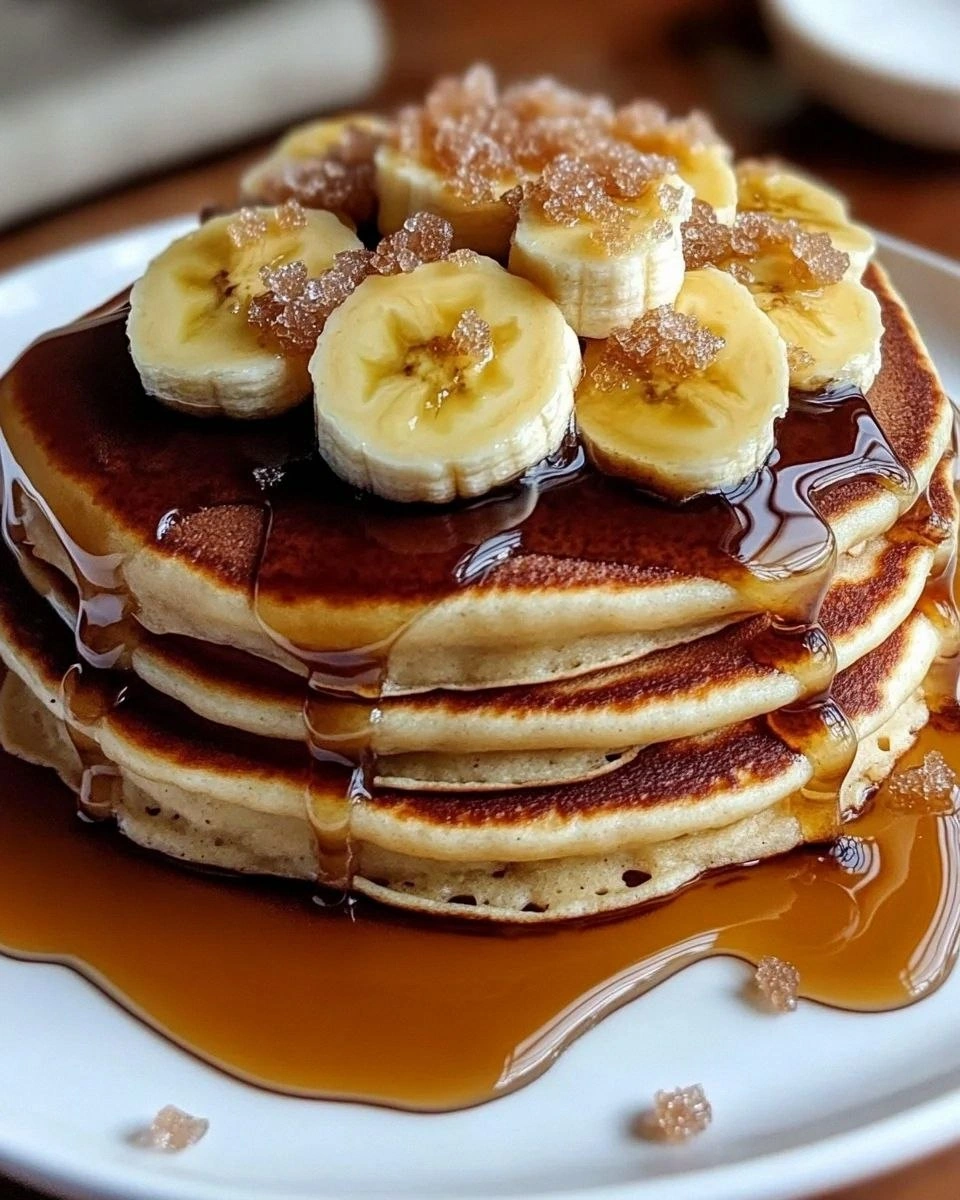
Serve the stack hot, topped with sliced bananas, a dusting of powdered sugar, or a dollop of whipped cream. The flavors will meld together, creating a breakfast that feels like a celebration in every bite. I dare you to taste this and not go back for seconds; the caramelized edges are simply addictive.
That’s it — you did it. But hold on, I've got a few more tricks that'll take this to another level…
Insider Tricks for Flawless Results
The Temperature Rule Nobody Follows
Most home cooks crank the heat to “high” hoping to speed things up, but that’s a recipe for burnt sugar and soggy interiors. Keep your skillet at medium‑low (around 325°F/160°C) and trust the timing. The lower heat lets the caramel develop slowly, giving you that deep amber crust without a bitter aftertaste. I once tried blasting the heat, and the pancakes turned black faster than my coffee on a Monday morning—trust me, the taste was unforgivable.
Why Your Nose Knows Best
Never rely solely on a timer; your nose is the ultimate kitchen gauge. When the butter in the pan starts to turn a light amber and you catch a faint nutty aroma, you’re ready for the batter. If you hear a faint pop, that’s the sound of bubbles bursting—another cue that the surface is set. This sensory checkpoint is the secret sauce behind my consistently perfect pancakes.
The 5‑Minute Rest That Changes Everything
Allowing the batter to sit for five to ten minutes lets the baking powder fully activate and the flour hydrate. This rest creates a batter that’s smoother and less likely to form gluten strands that could toughen the pancake. I once skipped this step in a rush, and the result was a dense, rubbery stack that felt more like a waffle gone wrong.
Butter Brush Technique
Instead of pouring a dollop of butter into the pan, melt a small amount and brush it onto the surface with a silicone brush before each pancake. This ensures an even coating and prevents the butter from pooling, which can cause uneven browning. The result is a uniformly golden crust that looks professionally plated.
Finishing Flourish: The Quick Glaze
For an extra layer of decadence, whisk together equal parts melted butter and brown sugar, then drizzle over the hot stack. The glaze melts into the pancake crevices, adding a glossy sheen and an extra hit of caramel flavor. It’s a simple trick that makes the dish feel restaurant‑worthy without any extra work.
Creative Twists and Variations
This recipe is a playground. Here are some of my favorite ways to switch things up:
Chocolate Chip Banana Bliss
Stir in ½ cup of semi‑sweet chocolate chips into the batter just before cooking. The chips melt slightly, creating pockets of gooey chocolate that complement the banana’s natural sweetness. Kids love it, and it adds a touch of indulgence perfect for a weekend brunch.
Nutty Crunch Delight
Fold ¼ cup of toasted chopped walnuts or pecans into the batter for a crunchy contrast. The nuts bring a buttery richness and a subtle earthiness that balances the caramelized sugar. This variation is especially good when paired with a drizzle of honey.
Coconut‑Lime Tropical Twist
Replace half of the milk with coconut milk and add a teaspoon of lime zest to the batter. The coconut adds a silky mouthfeel while the lime provides a bright, citrusy lift that cuts through the sweetness, transporting you to a beachside breakfast.
Spiced Pumpkin Banana Fusion
Swap out half the banana for canned pumpkin puree and add a pinch of nutmeg and ginger. This autumnal version is perfect for cooler months, offering a warm spice profile that pairs beautifully with the brown sugar’s caramel notes.
Protein‑Packed Power Pancakes
Mix in a scoop of vanilla whey protein powder and a tablespoon of chia seeds. The protein boost keeps you full longer, making these pancakes an excellent post‑workout meal without sacrificing flavor or texture.
Vegan Velvet Version
Use flax eggs (2 tbsp ground flaxseed mixed with 6 tbsp water) in place of the eggs, swap butter for coconut oil, and choose oat milk instead of dairy. The batter remains moist, and the caramelized edges still develop beautifully, proving you don’t need animal products for decadence.
Storing and Bringing It Back to Life
Fridge Storage
Allow the pancakes to cool completely, then stack them with parchment paper between each layer and store in an airtight container. They’ll keep fresh for up to three days. When you’re ready to eat, reheat in a skillet over medium heat for 2‑3 minutes per side, adding a tiny splash of water to the pan to create steam that revives the fluffy interior.
Freezer Friendly
For longer storage, place a single layer of pancakes on a baking sheet and freeze until solid, then transfer to a zip‑top freezer bag. They’ll hold up for up to two months. To reheat, microwave for 30 seconds, then finish in a hot skillet for that coveted crisp edge.
Best Reheating Method
The secret to resurrecting pancakes without sogginess is the “steam‑and‑sear” technique: sprinkle a few drops of water onto the pan, cover briefly to trap steam, then uncover to let the edges crisp up. This restores the original texture—soft inside, caramelized outside—just like the first time.