I still remember the night I tried to make chicken livers for the first time and ended up with a pan that looked like it had been through a war zone. The smell of garlic hit me like a wave, but the livers, browned and caramelized, were a revelation that made every burnt bite worth it. I was in the kitchen, my phone buzzing with a friend's dare: “I dare you to taste this and not go back for seconds.” And I, being the culinary enthusiast who loves a good challenge, took that dare like a chef takes a flambé—excited, a bit nervous, but ready to conquer.
Picture this: a sizzling skillet, the sound of fat sizzling into the hot pan, the aroma of fresh herbs mingling with the earthy scent of liver. The color shifts from pale to a deep, glossy brown, and the edges begin to crisp like thin ice breaking under a sudden storm. The first bite is a silky, buttery bite that coats the palate like velvet, followed by a subtle peppery kick that lingers. Each spoonful is a balance of rich umami, gentle heat, and a whisper of citrus that lifts the whole dish.
This version is hands down the best you’ll ever make at home because it strips away the usual clunky heaviness and replaces it with a sauce that glides over the pasta like a silk ribbon. I’ve tweaked the classic recipe by adding a splash of white wine and a touch of cream, turning the sauce into a silky, velvety embrace that doesn’t overpower the liver but lets it shine. The pasta, whether penne or fettuccine, is cooked al dente so it can hold the sauce without becoming mushy. The result? A dish that feels indulgent but never feels like you’re drowning in grease.
Most recipes get this completely wrong. They either overcook the livers, leaving them rubbery, or under-season them, making the dish taste like it’s missing something. Here’s what actually works: a quick sear, a splash of wine to deglaze, a dash of cream, and a final flourish of lemon zest and fresh parsley. I’ll be honest—my first batch had me licking the pan, but that was the moment I knew I was onto something special. If you’ve ever struggled with chicken livers, you’re not alone, and I’ve got the fix.
And now the fun part. I’ll walk you through every single step, from selecting the best livers to the final plating, so by the end, you’ll wonder how you ever made it any other way. I promise you, the kitchen will smell incredible, and your guests will be asking for the recipe. This is pure magic, and you’re about to become the star of your own dinner party.
Okay, ready for the game-changer? The first step is to pick the freshest livers, because nothing beats that buttery, slightly metallic flavor that only comes from fresh poultry. I’ve always used a local farmer’s market, but you can also find them at your grocery store, preferably in a clean, white box with no bruises. When you open the box, the livers should have a bright pink hue, not a dull gray. If they look off, skip them; they’ll ruin the entire dish.
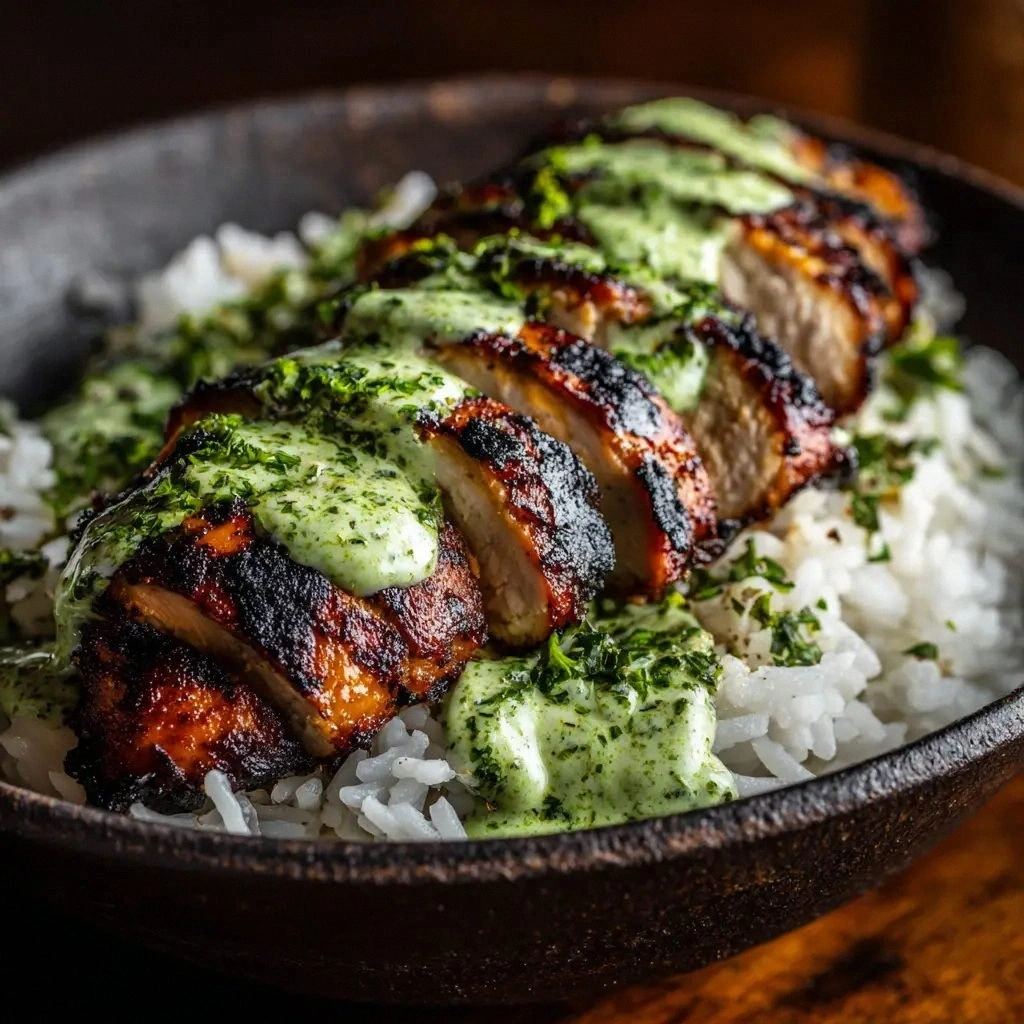
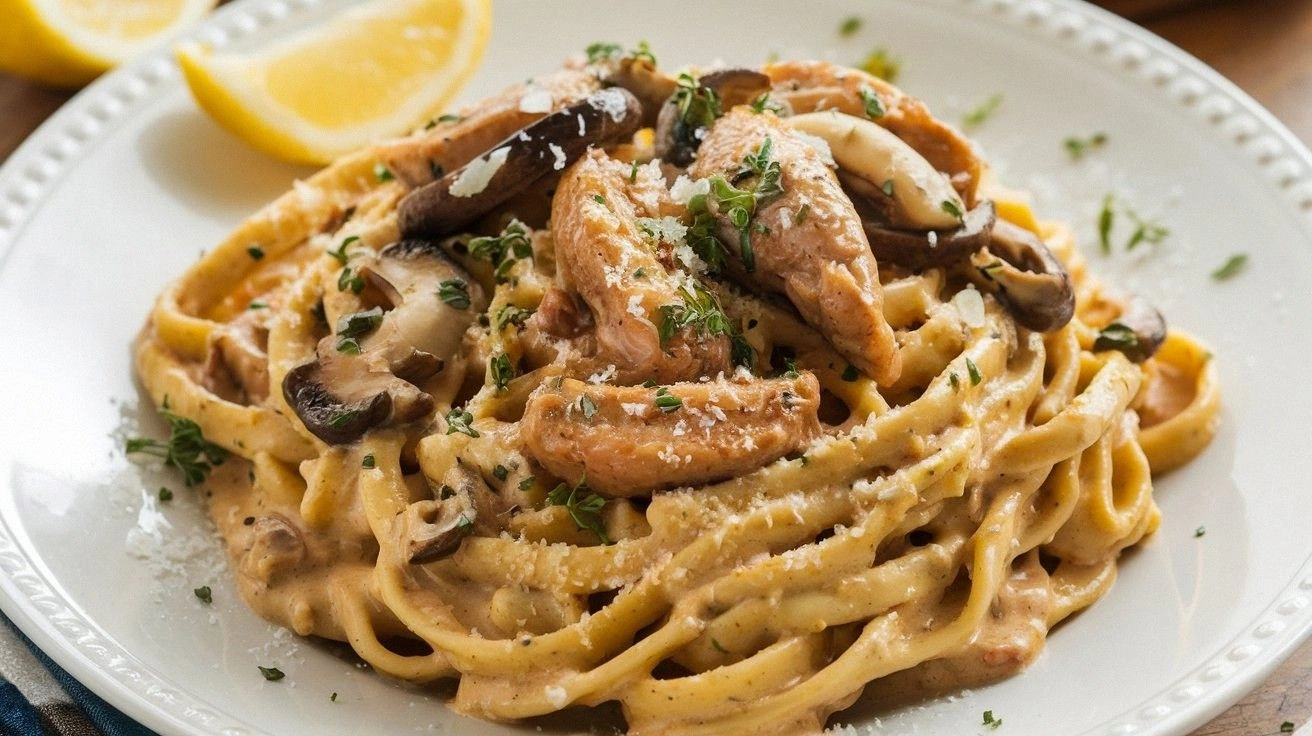
Picture yourself pulling this out of the skillet, the whole kitchen smelling incredible, and the pasta shining like a polished gem. The sauce should coat the pasta like velvet, the edges of the liver crisp, and the lemon zest should give a bright, fresh note that cuts through the richness. That sizzle when it hits the pan? Absolute perfection. The result is a dish that feels luxurious yet approachable, a true crowd-pleaser.
What Makes This Version Stand Out
- Taste: The blend of earthy liver, sweet garlic, and bright lemon creates a complex flavor profile that’s both comforting and exciting. The subtle heat from red pepper flakes adds depth without overwhelming the palate. This harmony of flavors is what turns an ordinary pasta into a memorable experience.
- Texture: The livers are seared to a perfect golden crust, while the interior remains tender and buttery. The pasta holds the sauce without becoming mushy, thanks to an al dente finish. The final touch of parsley adds a slight crunch and fresh aroma.
- Simplicity: With only a handful of ingredients, the recipe stays approachable yet impressive. Each element plays a vital role, ensuring you don’t feel like you’re juggling too many components. The method is straightforward, making it ideal for both beginners and seasoned cooks.
- Uniqueness: The addition of a splash of white wine and a dash of cream transforms the sauce into a silky, luxurious coating that’s rarely seen in traditional liver pasta recipes. This twist elevates the dish from simple to extraordinary.
- Crowd Reaction: Friends and family rave about the silky sauce and perfectly cooked livers. Many ask for a second helpings, proving this dish’s irresistible appeal. The combination of flavors and textures keeps everyone coming back for more.
- Ingredient Quality: Fresh, high-quality livers are essential for a smooth, buttery flavor. Using fresh herbs and good olive oil makes the dish feel upscale without breaking the bank. The quality of each component directly translates to the final taste.
- Cooking Method: The quick sear locks in juices and creates a caramelized crust, while deglazing with wine lifts the flavor from the pan. The cream is added at the end to keep the sauce silky and prevent separation. This method ensures a consistent, high-quality result every time.
- Make‑Ahead Potential: The dish can be prepared ahead of time and reheated without losing its silky sauce. The flavors actually deepen after resting, making it perfect for meal prep or a last‑minute dinner.
Inside the Ingredient List
The Flavor Base
Garlic and onions form the aromatic foundation of this dish. The garlic, minced finely, releases a sweet, earthy aroma when sautéed in butter and olive oil. The onion, diced into small cubes, provides a mellow sweetness that balances the richness of the livers. If you skip this step, the sauce will lack depth and complexity, turning the dish into a flat, uninspired pasta.
For those who love a little heat, add a pinch of red pepper flakes during the sauté. This adds a subtle kick that enhances the overall flavor profile. Alternatively, you can replace the red pepper flakes with a small amount of cayenne pepper for a more pronounced heat. The key is to adjust the heat level to your personal preference.
When selecting garlic, look for cloves that are firm, with no brown spots or sprouting. Fresh garlic provides a bright, clean flavor that’s essential for a balanced sauce. If you’re short on time, pre-minced garlic can be used, but be sure to check for any off smells or discoloration before adding it to the pan.
The Texture Crew
The livers themselves are the star, but their preparation is key to achieving the right texture. Slice the livers into uniform 1/2-inch pieces to ensure even cooking. A quick sear on high heat will give them a caramelized crust while keeping the inside tender and juicy. Overcooking will result in a rubbery, dry texture that detracts from the dish.
The pasta is the vehicle that carries the sauce. Choose a shape that holds sauce well, such as penne, rigatoni, or fettuccine. Cook the pasta until it’s al dente, meaning it should still have a slight bite when you bite into it. This texture contrast between the tender liver and the firm pasta creates a delightful mouthfeel.
If you prefer a lighter texture, try using whole wheat or gluten-free pasta. These alternatives still hold sauce well but offer a different flavor profile. Just remember to adjust cooking time slightly, as some whole wheat pastas may take a bit longer to reach al dente.
The Unexpected Star
White wine is the unexpected star that elevates this dish. Deglazing the pan with wine pulls the caramelized bits off the bottom, creating a depth of flavor that’s hard to achieve with just stock. The acidity in the wine also balances the richness of the livers and cream, preventing the dish from feeling too heavy.
If you’re not a fan of wine, you can substitute it with chicken broth or a splash of lemon juice for acidity. However, the flavor profile will be slightly different. For a non-alcoholic version, use a 1:1 ratio of broth to wine, and add an extra pinch of herbs to compensate for the missing depth.
When choosing a wine, opt for a dry white such as Sauvignon Blanc or Pinot Grigio. These wines have a bright acidity that complements the dish without overpowering it. If you’re using a richer wine, such as Chardonnay, you’ll need to reduce the amount of cream to avoid an overly heavy sauce.
The Final Flourish
The finishing touches of lemon zest and fresh parsley bring brightness and color to the dish. The lemon zest adds a bright, citrusy aroma that cuts through the richness of the livers and cream. Parsley provides a fresh, herbal note and a splash of green that makes the dish look as good as it tastes.
If you’re looking for an extra layer of flavor, sprinkle a small amount of grated Parmesan cheese over the top just before serving. The cheese adds a salty, nutty depth that enhances the overall taste. Alternatively, a dash of truffle oil can be drizzled for a luxurious, earthy finish.
Everything’s prepped? Good. Let’s get into the real action.
The Method — Step by Step
- Heat a large skillet over medium‑high heat and add 2 tablespoons of olive oil and 2 tablespoons of butter. Once the butter is foaming, add the diced onion and sauté until translucent, about 3 minutes. This step builds the aromatic base that will carry the flavor of the livers.
- Add the minced garlic and a pinch of red pepper flakes to the pan. Stir constantly for about 30 seconds, ensuring the garlic doesn’t burn. The garlic should release a fragrant aroma, signaling that it’s ready for the livers.
- Increase the heat to high and add the sliced livers, skin side down. Sear each side for 2 minutes, or until a golden crust forms. The edges should pull away from the pan, indicating the liver is cooked to perfection.
- Deglaze the pan with 1/2 cup of dry white wine, scraping up the browned bits from the bottom. Let the wine reduce by half, about 2 minutes, to concentrate the flavor and evaporate excess alcohol.
- Add 1 cup of low‑fat chicken broth and bring the mixture to a gentle simmer. Stir in 1/2 cup of heavy cream, and let the sauce thicken slightly, about 3 minutes. The cream should coat the back of a spoon, indicating it’s ready.
- Meanwhile, cook 400 grams of pasta in salted water until al dente, then reserve 1 cup of pasta water. Drain the pasta and toss it in the sauce, adding reserved water as needed to achieve a silky consistency.
- Stir in 1/2 cup of freshly grated Parmesan, 2 tablespoons of chopped parsley, and the zest of one lemon. The cheese should melt into the sauce, and the lemon zest will brighten the entire dish.
- Plate the pasta and garnish with extra parsley and a light dusting of Parmesan. Serve immediately, and watch the steam rise like a fragrant cloud. The dish should smell divine, with the liver’s rich aroma complemented by the bright citrus.
That’s it— you did it. But hold on, I’ve got a few more tricks that’ll take this to another level. The next section will reveal insider tips that even seasoned cooks swear by, ensuring your dish is flawless every single time.
Insider Tricks for Flawless Results
The Temperature Rule Nobody Follows
Cooking the livers at the right temperature is crucial. If the pan is too hot, the exterior will char while the interior remains undercooked. If it’s too cool, the livers will release excess moisture and become soggy. I’ve found that a medium‑high heat, with a quick sear, gives the best balance.
Why Your Nose Knows Best
Your nose is the best indicator of doneness. As the livers cook, they release a rich, buttery aroma that signals the perfect moment to flip. If the smell is too metallic, the liver is overcooked; if it’s faint, it’s not ready yet. Trust your senses, and you’ll avoid the dreaded rubbery texture.
The 5‑Minute Rest That Changes Everything
After cooking the livers, let them rest for 5 minutes before serving. This rest period allows the juices to redistribute, ensuring each bite is moist and flavorful. A quick rest also lets the residual heat finish the cooking gently, preventing overcooking.
The Secret of a Silky Sauce
The key to a silky sauce lies in the timing of the cream addition. Add the cream after the wine has reduced, and stir until the sauce thickens. This prevents the cream from curdling and keeps the sauce smooth and glossy.
The Quick Toss for Even Coating
When adding pasta to the sauce, toss it vigorously in a dry skillet for a minute before adding the sauce. This step dries the pasta surface, allowing it to absorb the sauce more evenly and preventing it from becoming mushy.
The Final Freshness Boost
Just before serving, squeeze a small amount of fresh lemon juice over the dish. The acidity brightens the flavors and cuts through the richness of the cream. It also adds a subtle citrus zing that keeps the dish from feeling heavy.
Creative Twists and Variations
This recipe is a playground. Here are some of my favorite ways to switch things up:
Rustic Mushroom Fusion
Add sliced cremini or shiitake mushrooms to the sauté stage. The earthy mushroom flavor pairs wonderfully with the liver, creating a deeper umami profile. Serve over whole wheat pasta for a hearty, comforting dish.
Spicy Cajun Kick
Replace the red pepper flakes with Cajun seasoning for a bold, smoky heat. The seasoning also adds a subtle peppery depth that complements the liver. Pair with a side of roasted vegetables to round out the meal.
Herb‑Infused Pesto Swirl
Stir in a spoonful of basil pesto after the sauce has thickened. The pesto adds a fresh, herbaceous note that brightens the dish. This variation works well with a light salad for a balanced dinner.
Creamy Spinach Layer
Fold in a handful of fresh spinach just before serving. The spinach wilts quickly, adding color and a subtle earthiness. This twist is especially good for a quick weeknight dinner.
Truffle Oil Finish
Drizzle a teaspoon of truffle oil over the plated pasta for a luxurious finish. The truffle oil adds a rich, earthy aroma that elevates the dish to gourmet status. Serve with a glass of full‑bodied white wine to complement the truffle.
Vegan Liver Alternative
Use seared tofu or tempeh instead of chicken livers for a plant‑based version. Season the tofu with smoked paprika and lemon zest to mimic the liver’s flavor profile. Pair with gluten‑free pasta for a wholesome, vegan dinner.
Storing and Bringing It Back to Life
Fridge Storage
Store the dish in an airtight container in the refrigerator for up to 3 days. When refrigerating, let the pasta cool to room temperature before sealing. This prevents condensation from making the sauce watery.
Freezer Friendly
Freeze the pasta in a freezer‑safe container for up to 2 weeks. Add a splash of water or broth before sealing to keep the sauce from drying out. When ready to eat, thaw overnight in the refrigerator.
Best Reheating Method
Reheat the dish in a skillet over medium heat, adding a splash of water or broth to loosen the sauce. Stir constantly to prevent the cream from separating. The dish should reach a gentle simmer, allowing the flavors to meld again.
Quick Warm‑Up
If you’re short on time, microwave the dish in a microwave‑safe bowl for 1 minute, stirring halfway. The quick heat will revive the sauce without overcooking the pasta.
Flavor Boost
Add a pinch of fresh lemon zest or a few drops of lemon juice before serving. The acidity brightens the dish and makes it taste freshly cooked, even after reheating.