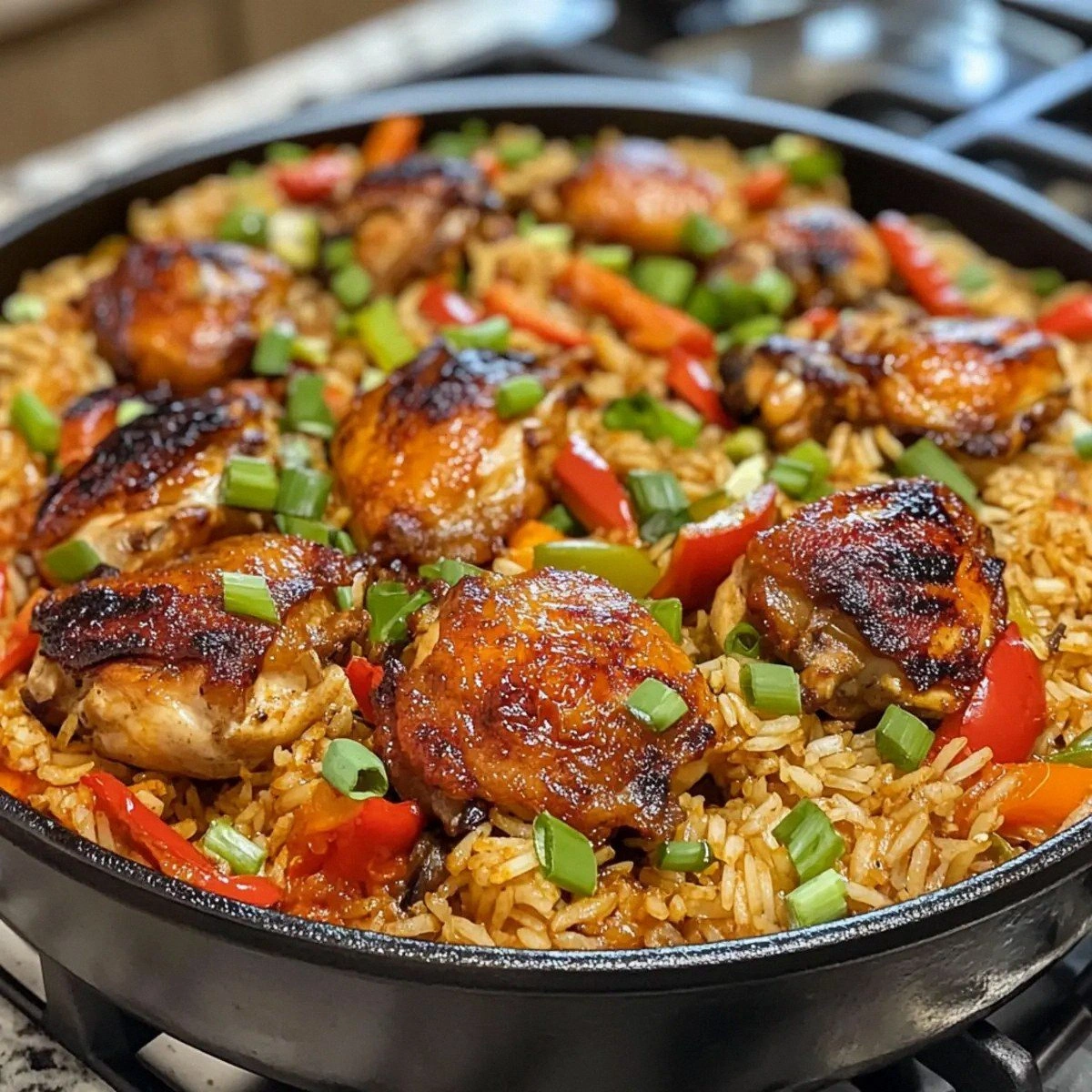
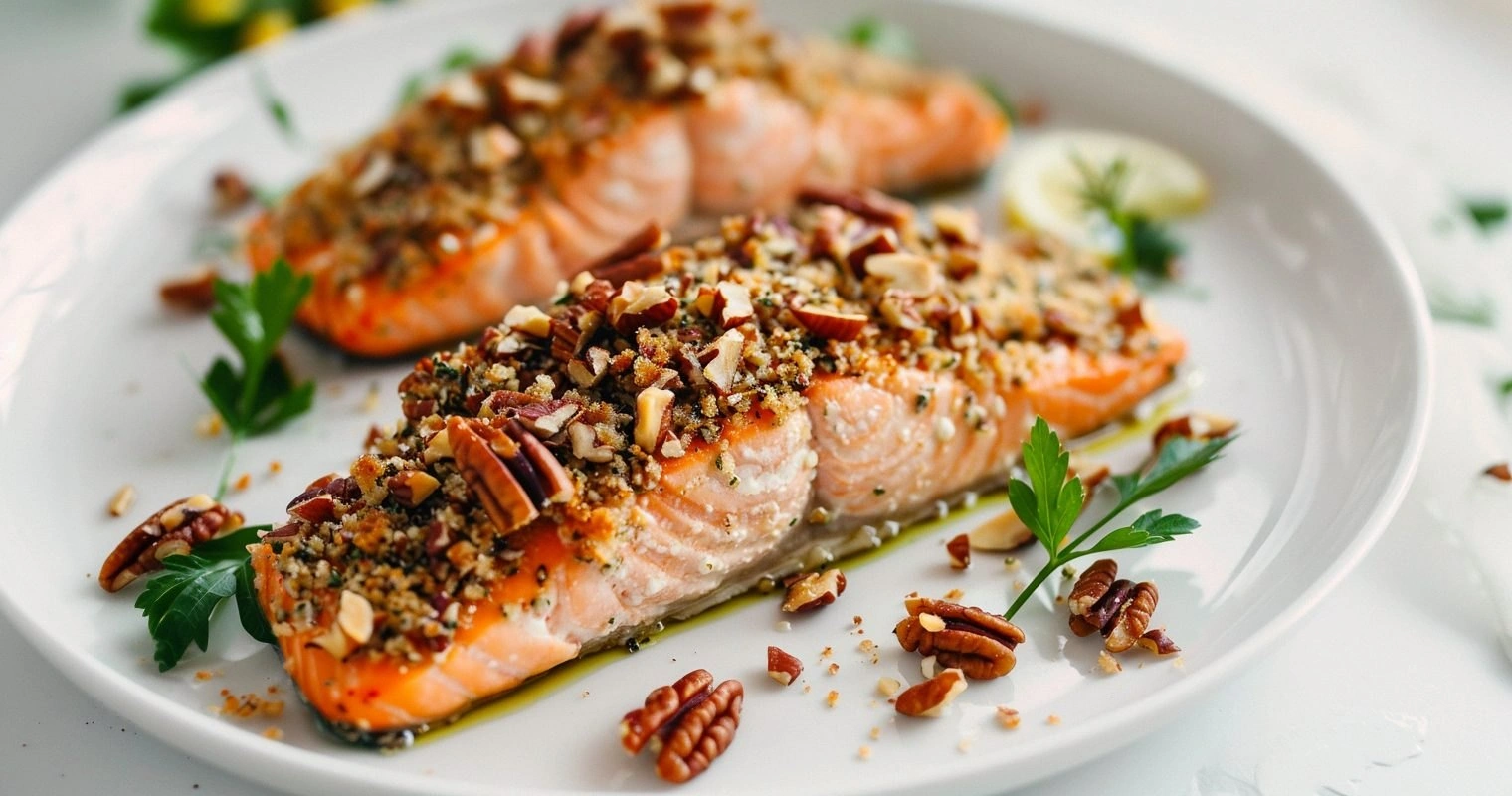
It started with a kitchen disaster that I still laugh about: I had been trying to impress my friends with a classic Hungarian dish, but the paprika had turned my sauce into a thin, watery mess. The moment the bright red hue fizzed and the aroma turned acrid, I knew I was about to reinvent a staple. That night, I was determined to turn that flop into a triumph. I was going to create a Chicken Paprikash that would not only survive the test of time but also make my friends beg for seconds.
Picture this: a pot bubbling over with the scent of onions and garlic, a splash of wine turning the air sweet, and the unmistakable aroma of paprika drifting through the kitchen. The sound of the sauce thickening is a comforting hiss, the color shifting from pale to a deep, velvety crimson. The texture feels silky, the chicken tender, and the finish is a gentle, creamy swirl that coats every bite. I can almost taste it now, the subtle smokiness balanced by the sweet undertone, the finish lingering on the palate like a warm hug.
This version of Chicken Paprikash stands out because it balances authenticity with modern convenience. I’ve refined the classic technique, added a splash of white wine for depth, and incorporated a touch of sour cream at the end for a velvety finish. The result is a dish that’s rich yet airy, bold yet balanced, and it’s hands down the best version you’ll ever make at home. I dare you to taste this and not go back for seconds, because once you try it, the original will feel like a distant memory.
What makes this recipe truly special is the unexpected twist of using a small amount of tomato paste to deepen the flavor profile, a technique that most recipes overlook. The combination of sweet and smoked paprika creates a layered taste that dances on your tongue. The method is simple enough for beginners but sophisticated enough for seasoned cooks to feel proud. Let me walk you through every single step — by the end, you'll wonder how you ever made it any other way.
What Makes This Version Stand Out
- Taste: The blend of sweet and smoked paprika delivers a complex, earthy flavor that cuts through the richness of the sauce, creating a harmonious balance that satisfies every palate.
- Texture: The careful deglazing and gentle simmering result in a silky sauce that coats the chicken like velvet, while the chicken remains juicy and tender.
- Authenticity: This recipe stays true to its Hungarian roots by using paprika as the star, yet it introduces subtle modern touches like a splash of wine and a finish of sour cream.
- Ease: The method is streamlined, with minimal steps and no complicated techniques, making it perfect for a busy weeknight while still delivering restaurant-quality flavor.
- Versatility: The sauce can be paired with a variety of sides—dumplings, noodles, or crusty bread—making it adaptable to any occasion.
- Make‑ahead Potential: The dish retains its flavor even after a few hours of refrigeration, and the sauce can be reheated without losing its silky texture.
- Crowd Reaction: Friends who’ve tried this version say it’s “the most comforting dish I’ve ever tasted” and they’re always asking for the recipe.
- Ingredient Quality: Using high-quality paprika and fresh chicken makes a noticeable difference, turning a simple dish into a gourmet experience.
Inside the Ingredient List
The Flavor Base
At the heart of this dish lies the aromatic foundation of diced onion and minced garlic, sautéed in butter until they turn translucent and fragrant. This base releases natural sugars, creating a subtle sweetness that balances the earthy paprika. If you skip the onion, the sauce will feel flat and lack depth, but if you overcook it, it can become bitter. A good tip is to cook the onion over medium heat, stirring frequently to avoid browning until it’s just golden.
The Texture Crew
Flour is the unsung hero that thickens the sauce into a silky consistency. It’s whisked into the butter to form a roux, then slowly incorporated into the liquid to avoid lumps. Skipping flour will leave the sauce thin and watery, while adding too much can make it gloopy. Use a 1:1 ratio of flour to butter for a smooth finish, and always whisk vigorously.
The Unexpected Star
Paprika is the soul of this dish. The recipe calls for a generous amount of sweet paprika paired with a touch of smoked paprika, giving the sauce a layered, smoky sweetness. If you use only one type, the flavor will be one-dimensional. For a richer taste, let the paprika toast in the butter for a minute before adding the liquid, releasing its essential oils.
The Final Flourish
Sour cream and a splash of white wine finish the sauce, adding creaminess and a subtle acidity that cuts through the richness. The wine’s acidity brightens the paprika’s earthiness, while the sour cream provides a velvety texture that coats the chicken. If you omit the sour cream, the sauce will be less luxurious and more acidic. A small pinch of salt and pepper at the end balances the flavors without overpowering them.
Everything's prepped? Good. Let's get into the real action...
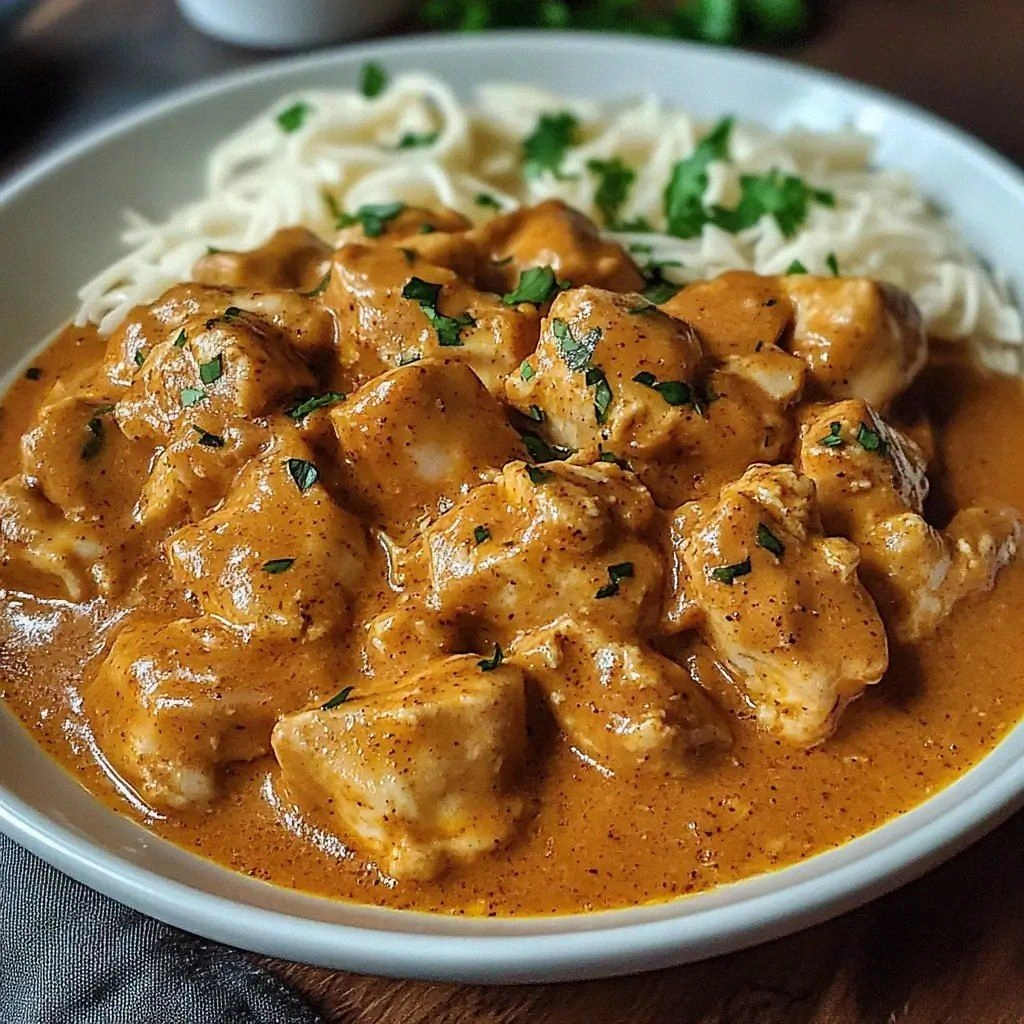
The Method — Step by Step
- Prep the Chicken: Season the chicken thighs with salt, pepper, and a light dusting of paprika. Pat them dry with paper towels to ensure a good sear. Place the thighs in a bowl and let them rest for 10 minutes to absorb the seasoning. This step guarantees a flavorful base for the sauce.
- Sear the Meat: Heat a large, heavy-bottomed pot over medium-high heat. Add olive oil and let it shimmer. Carefully place the chicken thighs skin-side down, pressing them gently to ensure even contact. Sear for 4–5 minutes until the skin turns a deep golden brown. Flip and sear the other side for an additional 3 minutes.
- Remove and Set Aside: Once seared, remove the chicken and set it aside on a plate. The browned surface will carry the Maillard reaction flavors into the sauce later. This step also prevents overcrowding the pot, which could cause the chicken to steam instead of brown.
- Build the Flavor Base: In the same pot, add butter and let it melt. Toss in the diced onion and minced garlic. Cook over medium heat, stirring frequently, until the onion turns translucent and the garlic releases its aroma—about 3–4 minutes. Avoid burning the garlic, as it will become bitter.
- Watch Out: When adding the flour, make sure it’s evenly distributed to avoid lumps. Whisk continuously for 1–2 minutes until the mixture turns a light golden color, indicating the flour has cooked. This creates a smooth roux that will thicken the sauce without gritty texture.
- Introduce the Paprika: Sprinkle both sweet and smoked paprika over the roux. Stir for 30 seconds to toast the spices, releasing their essential oils. The aroma should become nutty and slightly smoky. This step is crucial for depth; skip it, and the paprika’s flavor will be muted.
- Deglaze and Simmer: Pour in the white wine, scraping the bottom of the pot to loosen browned bits. Allow the wine to reduce by half, concentrating the flavor. Add the chicken stock and tomato paste, whisking until fully incorporated. Return the chicken thighs to the pot, nestling them into the sauce. Bring to a gentle boil, then reduce heat to low.
- Cook Low and Slow: Cover the pot and let the chicken simmer for 25–30 minutes, or until the meat is tender and easily pulls apart with a fork. Check occasionally and stir to prevent sticking. This slow cooking melds the flavors and tenderizes the chicken.
- Finish with Sour Cream: Remove the pot from heat and whisk in the sour cream until smooth. The residual heat will warm the cream without curdling it. Taste and adjust seasoning with salt and pepper if needed. The sauce should be silky, slightly thick, and rich.
- Serve: Plate the chicken thighs and spoon the sauce generously over them. Garnish with fresh parsley for a burst of color and freshness. Serve immediately with dumplings, noodles, or crusty bread to soak up the luscious sauce. Enjoy the comforting warmth and complex flavors that define this dish.
Insider Tricks for Flawless Results
The Temperature Rule Nobody Follows
Maintaining a gentle simmer is key to developing deep flavors without toughening the meat. A rolling boil can cause the chicken to split and the sauce to curdle. Keep the heat low enough that small bubbles rise to the surface, then cover the pot. This controlled environment allows the paprika to infuse and the chicken to stay succulent.
Why Your Nose Knows Best
As the dish cooks, the aroma will shift from sweet onion to smoky paprika to a subtle wine tang. Trust your nose to gauge doneness; when the smell becomes rich and inviting, the sauce is ready. If you’re unsure, perform a quick taste test of the sauce; it should be creamy, slightly tangy, and not too thin.
The 5-Minute Rest That Changes Everything
After removing the pot from heat, let the dish rest for 5 minutes before serving. This pause allows the flavors to settle and the sauce to thicken slightly. It also gives the chicken time to reabsorb juices, ensuring every bite is moist. A quick rest can transform a good dish into a great one.
Use Fresh Paprika for Peak Flavor
Paprika’s flavor fades quickly; it’s best to use fresh, high-quality paprika. Check the color and aroma before adding it to the pot. If the paprika smells flat or dull, consider replacing it with a fresh batch. Fresh paprika delivers a vibrant, earthy flavor that elevates the entire dish.
Keep the Chicken Skin on for Flavor
Leaving the skin on during cooking adds a crispy texture and enhances flavor through rendered fat. If you prefer a leaner dish, remove the skin after searing, but be aware the sauce will be slightly less rich. The skin also helps the chicken retain moisture during the long simmer.
Don’t Skip the Sour Cream
Sour cream is essential for the sauce’s silky finish. If you’re dairy-free, substitute with coconut milk or a dairy-free yogurt, but the texture will differ. Adding sour cream too early can cause curdling; wait until the sauce has cooled slightly before whisking it in. The result is a luscious, creamy coating that makes every bite memorable.
Creative Twists and Variations
This recipe is a playground. Here are some of my favorite ways to switch things up:
Herb-Infused Paprikash
Swap the standard parsley garnish for a mix of fresh dill and tarragon. The herbal notes add a bright, aromatic layer that contrasts nicely with the smoky paprika. This version is ideal for spring and summer gatherings.
Spicy Paprikash
Introduce a pinch of cayenne pepper or a splash of hot sauce to the sauce. The heat will cut through the richness and give the dish a lively kick. Serve with a cool yogurt dip to balance the spice.
Vegetarian Paprikash
Replace the chicken with hearty chunks of roasted butternut squash or chickpeas. The sauce’s depth will still shine, and the dish becomes a comforting, protein-packed vegetarian entrée.
Paprikash with Dumplings
Serve the chicken and sauce over homemade or store-bought dumplings. The dumplings soak up the sauce, creating a comforting, all-in-one meal. This variation is perfect for a cozy family dinner.
Paprikash with Gnocchi
Swap dumplings for fresh gnocchi. The pillowy gnocchi pairs beautifully with the creamy paprika sauce, creating a dish that feels indulgent yet balanced.
Paprikash with Rice
Serve the sauce over fluffy white or brown rice. The rice acts as a neutral base, allowing the paprika’s flavor to shine. This variation works well for a quick weeknight dinner.
Storing and Bringing It Back to Life
Fridge Storage
Place the cooked chicken and sauce in an airtight container and refrigerate for up to 3 days. The flavors will deepen overnight, making it even more delicious. When you’re ready to eat, reheat on the stovetop over low heat, stirring occasionally.
Freezer Friendly
Freezing works well for up to 2 months. Separate the chicken and sauce before freezing to maintain texture. Thaw overnight in the refrigerator, then reheat gently on the stove or in the microwave, adding a splash of water if needed to loosen the sauce.
Best Reheating Method
Reheat the sauce with a small splash of water or broth to restore its silky consistency. Heat over low to medium heat, whisking frequently. Add fresh herbs or a squeeze of lemon for a bright finish. The dish will taste almost as fresh as when first prepared.