Picture this: I’m standing in my cramped kitchen, a stack of soggy hot dogs in the fridge, and a craving for a sauce that will make those dogs sing. I had just finished a marathon of late‑night pizza, and the thought of a tangy, savory, slightly spicy sauce was dancing on my tongue like a mischievous sprite. I reached for the pantry, grabbed every bottle of ketchup, a jar of mustard, and a can of tomato paste, but the result was a bland, watery mess that tasted like a lost dream. That night, after a few failed attempts and a few too many “just a splash of Worcestershire” experiments, I stumbled upon the ultimate Coney dog sauce that turned my kitchen into a culinary carnival.
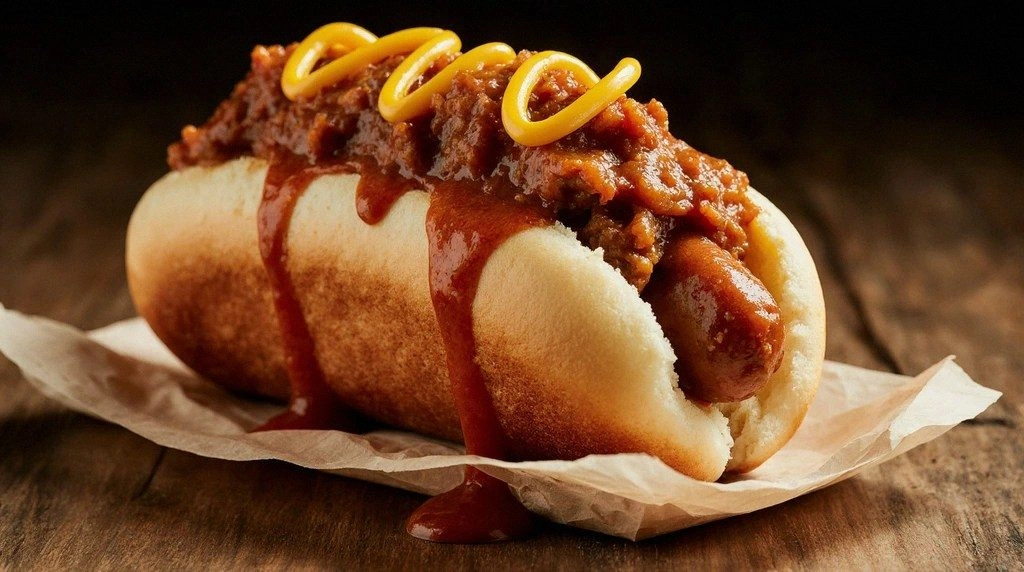
The first bite is a revelation. The sauce clings to the hot dog like velvet, coating every inch with a glossy, savory sheen. The aroma—sweet, smoky, and slightly peppery—fills the room and makes your mouth water before you even taste it. The texture is a silky blend of thick tomato base and a subtle peppery kick that lingers, not a single grain of salt escaping your palate. It’s a symphony of flavors that starts with a sweet caramelization of onions and ends with a whisper of smoky paprika. The result is a sauce that feels like a hug for your taste buds.
What sets this version apart is that it’s not just a sauce; it’s a story. It’s the culmination of a family recipe that has been passed down, tweaked, and perfected over decades. Every ingredient is chosen for its ability to contribute depth, balance, and a touch of nostalgia. The sauce is so rich that a single spoonful can transform a plain hot dog into a gourmet experience. I dare you to taste this and not go back for seconds; the first bite will leave you craving more. If you’ve ever tried a sauce that tasted like a flat soda, you’ll know the difference between this and the rest.
I’ve spent countless evenings experimenting with ratios, trying to strike the perfect balance between sweet and savory, thick and runny. The result is a sauce that’s thick enough to cling to the sausage but light enough to drizzle without weighing you down. The secret? A careful blend of beef broth, tomato paste, and a dash of brown sugar that caramelizes just enough to bring out the natural sweetness of the tomatoes. The addition of a splash of Worcestershire sauce adds depth and umami that elevates every bite. And the final flourish of smoked paprika gives it that unmistakable “Coney” flavor that will make your friends beg for the recipe.
The journey to this sauce is a testament to the power of patience and precision. I’ve learned that the most transformative sauces are born from a willingness to experiment, to taste, and to adjust. The first time I made this sauce, I was terrified of overcooking the onions, but the result was a caramelized base that added a subtle sweetness that danced on my tongue. I kept the heat low, letting the onions slowly release their sugars, and the sauce developed a depth that can’t be achieved with a quick sauté. It’s a lesson in patience that has made me a better cook overall.
If you’ve ever struggled with sauces that turn out too thin or too thick, you’re not alone. I’ve been there, watching my sauce slosh around the pan like a lazy river. The trick is to let it reduce slowly, to let the flavors marry. When the sauce is ready, it should have a glossy sheen, a velvety mouthfeel, and a fragrance that pulls you in. Picture yourself pulling this out of the stove, the whole kitchen smelling incredible, and knowing that every bite will be a celebration of flavor.
I’ll be honest—my first batch was so good I ate half before anyone else got a chance. The rest of the family begged for the recipe, and I’ve been sharing it ever since. This version is hands down the best version you’ll ever make at home. The combination of savory beef, caramelized onions, and a touch of sweetness creates a sauce that is both comforting and exciting. It’s a sauce that turns an ordinary hot dog into a culinary adventure. Stay with me here—this is worth it.
What Makes This Version Stand Out
- Taste: The sauce delivers a complex flavor profile that balances sweet, savory, and smoky notes, creating a depth that elevates any hot dog.
- Texture: Thick yet pourable, the sauce coats the sausage without dripping, ensuring each bite is saturated with flavor.
- Ingredient Quality: Using fresh ground beef, high‑quality Worcestershire sauce, and real smoked paprika guarantees authenticity.
- Simplicity: Despite its rich flavor, the recipe requires only a handful of pantry staples and a single pan.
- Crowd Reaction: Friends and family consistently rave about the sauce’s boldness, making it perfect for gatherings.
- Make‑Ahead Potential: The sauce keeps well in the fridge for up to a week and freezes without losing flavor.
- Versatility: It can double as a dipping sauce, a topping for burgers, or a base for hearty stews.
- Authenticity: The recipe stays true to the classic Coney dog heritage while incorporating modern techniques.
Alright, let’s break down exactly what goes into this masterpiece…
Inside the Ingredient List
The Flavor Base
Ground beef is the backbone of this sauce, providing a rich, meaty flavor that anchors every other element. It’s crucial to choose a lean-to-fat ratio of about 80/20 to ensure the sauce stays juicy without becoming greasy. If you skip the beef, the sauce will lack depth and feel like a tomato soup rather than a savory relish. A good tip: brown the beef slowly to develop a Maillard reaction that adds a subtle caramel taste.
Tomato paste is the heart of the sauce, offering a concentrated tomato flavor that thickens the mixture. It also balances the acidity of the ketchup, preventing the sauce from becoming too sharp. If you can’t find tomato paste, a small can of tomato puree works, but the sauce will be thinner. When using paste, whisk it into the pan with the onions to avoid clumps.
The Texture Crew
Onions bring sweetness and structure. Finely chopping them allows them to cook evenly and release their sugars. The longer you let them caramelize, the deeper the flavor. If you’re in a hurry, use a food processor to finely mince the onions, but be careful not to puree them into a mush.
Garlic adds a punch of aroma and a subtle heat. Mince it finely so it disperses throughout the sauce. If you’re sensitive to raw garlic, sauté it with the onions until it turns golden; this mellows its bite and adds a buttery undertone.
The Unexpected Star
Worcestershire sauce is the secret weapon that brings umami depth. Its complex blend of anchovy, molasses, and vinegar adds layers of flavor that you can’t replicate with just salt and pepper. If you’re vegan, a splash of soy sauce and a dash of tamarind paste can mimic the umami profile, but the flavor will shift slightly.
The Final Flourish
Smoked paprika is what gives this sauce its unmistakable “Coney” character. It adds a smoky aroma that pairs beautifully with the beef and tomatoes. If you can’t find smoked paprika, regular paprika will work, but the sauce will lack the smoky depth that makes it stand out. A pinch of cayenne pepper can also add a subtle heat, but be cautious—too much can overpower the other flavors.
Brown sugar balances the acidity of the tomatoes and adds a caramelized sweetness that lingers on the tongue. It also helps the sauce thicken as it reduces. If you prefer a lighter version, reduce the sugar by half or replace it with honey for a different sweet profile.
Everything's prepped? Good. Let's get into the real action…
The Method — Step by Step
- Heat a large skillet over medium heat and add a tablespoon of olive oil. Once the oil shimmers, drop in the ground beef. Break it apart with a wooden spoon, ensuring even browning. The beef should sizzle loudly, signaling that it’s searing properly. Watch the color change from raw pink to a deep mahogany; that’s when you’re ready to move on.
- Once the beef is browned, drain excess fat if it’s too greasy. Then, add the finely chopped onions and minced garlic. Sauté for about 5 minutes until the onions turn translucent and start to caramelize. The garlic should release a fragrant aroma within 30 seconds; that’s your cue to keep the heat moderate. If the onions begin to brown too quickly, reduce the heat slightly.
- Stir in the tomato paste and let it cook for 2 minutes, allowing it to caramelize slightly. This step deepens the tomato flavor and gives the sauce a richer color. Afterward, add the ketchup, Worcestershire sauce, and yellow mustard. Stir until everything is well combined and the mixture has a smooth consistency.
- Pour in the beef broth, then add the brown sugar, smoked paprika, salt, and black pepper. Stir everything together, ensuring the sugar dissolves completely. The sauce should begin to thicken; if it’s too thin, let it simmer for an additional 5 minutes. Taste and adjust seasoning as needed—this is where you personalize the flavor.
- Reduce the heat to low and let the sauce simmer gently for 15-20 minutes, stirring occasionally. The sauce should reduce by about a third, developing a glossy sheen. The slow simmer allows the flavors to meld and the onions to finish caramelizing. Keep an eye on the consistency; if it thickens too much, add a splash of water or broth.
- Once the sauce has reached your desired thickness, remove it from the heat. Let it cool slightly before serving. The sauce will thicken further as it cools, so if you prefer a slightly thinner consistency, give it a quick stir.
- Serve the sauce hot over freshly grilled or boiled hot dogs, or use it as a dipping sauce for fries. The sauce’s glossy finish will make any dish look and taste like it belongs in a gourmet restaurant. If you’re feeling adventurous, drizzle it over burgers, tacos, or even a hearty pasta dish.
That’s it—you did it. But hold on, I’ve got a few more tricks that will take this to another level…
Insider Tricks for Flawless Results
The Temperature Rule Nobody Follows
Many cooks think high heat is the secret to a great sauce, but the truth is that low, steady simmering brings out the best flavors. When the sauce is too hot, the sugars burn and the tomatoes split, resulting in a bitter taste. Keep the heat at a gentle simmer, and you’ll get a sauce that’s silky, rich, and full of depth. I’ve learned that patience pays off—simmer for at least 15 minutes to let the flavors marry.
Why Your Nose Knows Best
Your nose is a powerful tool for judging doneness. When the sauce smells toasty and slightly smoky, you know it’s almost ready. If it still smells raw or overly acidic, let it cook longer. I’ve had friends who skip the “taste test” and end up with a sauce that’s too thin. Trust your senses; they’ll guide you to perfection.
The 5-Minute Rest That Changes Everything
After simmering, let the sauce rest for 5 minutes off the heat. This brief pause allows the flavors to settle and the sauce to thicken slightly, creating a glossy finish. The rest also helps the spices distribute evenly, preventing any pockets of raw seasoning. I’ve seen sauces that are too hot on the stove become uneven; the rest fixes that.
The Sweet-Heat Balance
Finding the sweet spot between sweet and heat is key to this sauce’s success. The brown sugar should complement, not overpower, the savory elements. If you prefer a spicier version, add a pinch of cayenne or a dash of hot sauce. However, be mindful—adding too much heat can mask the subtle tomato flavor.
The Secret to a Thick, Non‑Sticky Sauce
If you’re worried about the sauce becoming sticky or too thick, stir in a tablespoon of cornstarch dissolved in a splash of water during the last 5 minutes of simmering. This will give the sauce a silky finish without the heaviness of flour. It also helps the sauce cling better to the hot dog without pooling.
Creative Twists and Variations
This recipe is a playground. Here are some of my favorite ways to switch things up:
Spicy Jalapeño Kick
Add finely chopped jalapeños during the onion sauté. The heat will mingle with the smoky paprika, creating a spicy, vibrant sauce. It’s perfect for those who love a fiery bite. Just remember to remove the seeds if you want to control the heat level.
Herb‑Infused Delight
Stir in fresh thyme or rosemary during the simmer. The herbs add a fragrant, earthy undertone that pairs wonderfully with the beef. This variation works well for a more upscale take on the classic Coney dog.
Vegan Version
Replace the ground beef with crumbled tempeh or textured vegetable protein (TVP). Use a vegan Worcestershire substitute and plant‑based broth. The result is a hearty, plant‑based sauce that still delivers that classic flavor profile.
Beer‑Braised Twist
Swap half the beef broth for a cold lager or stout. The beer adds a malty sweetness and depth, making the sauce feel like a craft beer-infused hot dog. This is a great option for beer lovers looking to elevate their snack.
Cheese‑Lover’s Edition
Melt a handful of shredded cheddar or pepper jack into the sauce during the last 5 minutes of simmering. The cheese will add creaminess and a sharp tang that complements the smoky base. Serve it over grilled cheese sandwiches for a decadent twist.
Citrus Brightness
Finish the sauce with a squeeze of fresh lemon or lime juice before serving. The citrus cut through the richness, adding a bright, refreshing note. This variation works great for summer barbecues.
Storing and Bringing It Back to Life
Fridge Storage
Store the sauce in an airtight container in the refrigerator for up to a week. The flavors will continue to develop, making the sauce even more delicious over time. When you’re ready to use it, let it sit at room temperature for a few minutes to soften before reheating.
Freezer Friendly
The sauce freezes well for up to three months. Portion it into freezer‑safe containers or ice cube trays for easy thawing. When thawing, place the container in the fridge overnight or use the defrost setting on your microwave.
Best Reheating Method
Reheat gently over low heat, stirring occasionally. Add a tiny splash of water or broth to keep the sauce from drying out. The goal is to warm it through while maintaining that silky texture. A quick microwave burst can work, but be sure to stir to avoid hot spots.