Picture this: a rainy Saturday, the kitchen lights flickering, and you’ve just burnt a batch of cookies that taste like burnt sugar. The only thing that saved the day was a pot of boiled potatoes that smelled like a summer garden, and a daring friend who dared you to ditch the mayo in favor of something that actually sings. I was skeptical, but the moment those potatoes hit the pan, the sizzle turned into applause. The aroma—warm, earthy, with a hint of herb—had my senses doing a little dance, and I knew I had stumbled onto something special.
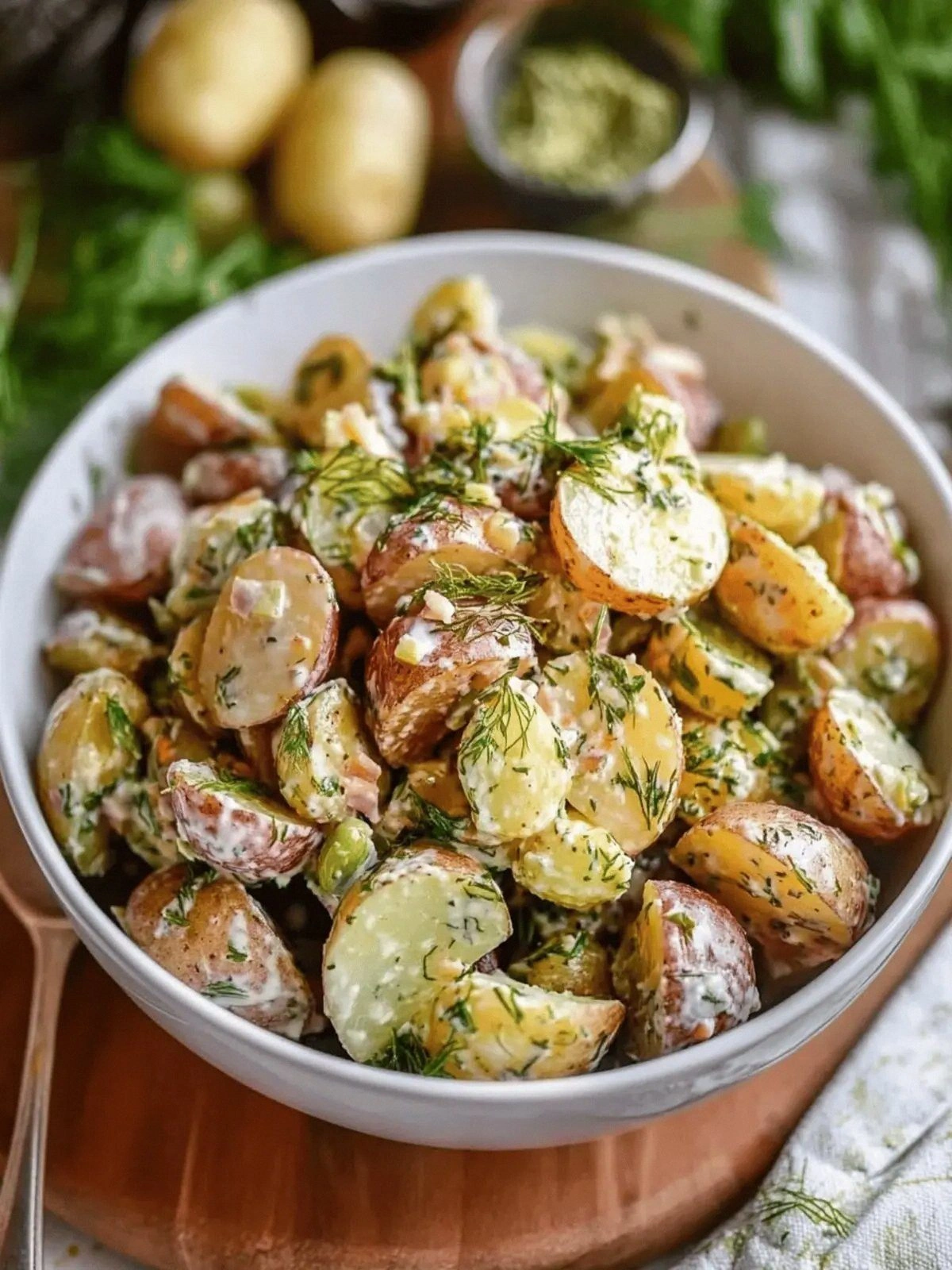
I’ve spent years chasing the perfect side dish, from creamy coleslaw to tangy colcannon, but none have matched the simple elegance of this French‑style potato salad. It’s not just a salad; it’s a conversation starter, a crowd‑pleaser that can be dressed up or down. The secret? A balance of acidity and richness, a splash of mustard that cuts through the oil, and a handful of dill that adds a fresh, almost citrusy lift. Every bite feels like a burst of sunshine on a cloudy day, and the texture—soft, pillowy potatoes with a hint of crunch from the cornichons—creates a satisfying contrast.
If you’ve ever been frustrated by soggy, bland salads that taste like they were made in a hurry, this recipe is your antidote. I’ll be honest—when I first tried it, I ate half the batch before anyone else could get a spoon. The flavor was so unapologetically good that I dared my friends to taste it and not go back for seconds. And that’s the power of a dish that refuses to be ordinary.
So buckle up, because I’m about to walk you through every single step. By the end, you’ll wonder how you ever made it any other way. Let’s dive into the heart of the matter: the ingredients, the technique, and the little tricks that make this dish unforgettable.
What Makes This Version Stand Out
- Flavor: The combination of Dijon and grainy mustard creates a layered, nuanced taste that’s both sharp and mellow. It’s the kind of flavor that lingers on the palate, making each bite memorable.
- Texture: The potatoes are roasted to a caramelized perfection, giving them a crisp exterior and a fluffy interior that contrasts beautifully with the crunchy cornichons.
- Simplicity: With only ten ingredients, the recipe stays approachable while delivering a punch of flavor that feels gourmet.
- Uniqueness: No mayo, no heavy dressings—just a bright vinaigrette that coats each potato like velvet, keeping the dish light yet satisfying.
- Crowd Reaction: At parties, this salad is a hit because it’s easy to make in large batches and can be served cold or at room temperature.
- Ingredient Quality: Fresh dill and high‑quality olive oil elevate the dish, turning a simple salad into a culinary experience.
- Cooking Method: Roasting the potatoes first adds depth, while the quick vinaigrette keeps the dish fresh and vibrant.
- Make‑Ahead Potential: It can be prepared up to 24 hours in advance; the flavors just deepen, making it perfect for busy weeknights.
Alright, let’s break down exactly what goes into this masterpiece…
Inside the Ingredient List
The Flavor Base
At the heart of this salad is the vinaigrette, a marriage of olive oil, red wine vinegar, and two distinct mustards. The olive oil brings a silky richness, while the vinegar injects bright acidity that cuts through the oil. Dijon mustard adds a subtle heat and a smooth, creamy texture, whereas grainy mustard contributes a rustic, peppery bite. If you can’t find Dijon, a good quality whole‑grain mustard works just as well, offering a slightly different but equally delightful flavor profile.
The Texture Crew
Roasting the potatoes is the secret to their perfect texture. Small potatoes are ideal because they cook evenly and hold their shape. When roasted, they develop a golden crust that snaps with each bite, while the interior remains tender and fluffy. If you’re short on time, you can parboil the potatoes first, then finish them in the oven to lock in the crispness.
The Unexpected Star
Cornichons—tiny pickled gherkins—add a burst of briny freshness that elevates the entire dish. Their sharpness balances the richness of the olive oil and the sweetness of the roasted potatoes. If cornichons are unavailable, finely diced pickles or even a splash of pickle juice can mimic the effect. The key is to keep the crunch; over‑softened cornichons lose their zing.
The Final Flourish
Fresh dill is the final touch that ties everything together. Its bright, almost citrusy flavor lifts the dish, providing a clean counterpoint to the robust mustard and vinegar. Use whole sprigs for an elegant garnish, or chop finely for a more integrated flavor. If you’re in a pinch, dried dill can be used, but fresh is always preferable for that vibrant aroma.
Everything's prepped? Good. Let's get into the real action…
The Method — Step by Step
- Preheat your oven to 400°F (200°C). Wash the small potatoes thoroughly, leaving the skins on for extra texture. Cut them in half or quarters, depending on size, ensuring each piece is roughly the same thickness so they cook evenly. This step is crucial because uneven pieces will result in some bites being underdone.
- Arrange the potatoes on a baking sheet in a single layer. Drizzle with olive oil, sprinkle with salt, and toss to coat. The oil creates a caramelized crust, while the salt enhances every flavor. The potatoes should be lightly coated, not swimming in oil.
- Roast for 25–30 minutes, flipping halfway through. The potatoes should be golden brown and tender when pierced with a fork. Watch the edges; they should be crisp but not burnt—think toasted bread, not charred.
- While the potatoes roast, prepare the vinaigrette. In a small bowl, whisk together the red wine vinegar, Dijon mustard, grainy mustard, and black pepper. Slowly drizzle in the olive oil while whisking until the mixture emulsifies. The vinaigrette should be glossy and slightly thickened.
- Chop the shallot finely and mince the dill. Slice the cornichons into thin rounds, then cut them into small cubes for easier mixing. These components add texture and bursts of flavor that dance on the tongue.
- When the potatoes are done, let them cool for about 10 minutes. Then transfer them to a large bowl and gently fold in the vinaigrette, ensuring each piece is evenly coated. The heat from the potatoes will slightly soften the dill, releasing its aroma.
- Add the chopped shallot, cornichon cubes, and fresh dill to the bowl. Toss again, allowing the flavors to mingle. The shallot adds a sharp, oniony bite that complements the sweet potatoes, while the dill brings a fresh lift.
- Taste and adjust seasoning if needed—add more salt, pepper, or a splash of vinegar for extra brightness. The final salad should be tangy, herbaceous, and perfectly balanced.
- Cover the bowl with plastic wrap and refrigerate for at least 30 minutes before serving. This resting period allows the flavors to meld and the potatoes to absorb the vinaigrette.
- Serve chilled or at room temperature, garnished with extra dill sprigs if desired. The dish pairs wonderfully with grilled meats, fish, or as a stand‑alone light lunch.
That's it—you did it. But hold on, I've got a few more tricks that'll take this to another level…
Insider Tricks for Flawless Results
The Temperature Rule Nobody Follows
Many cooks roast potatoes at a low heat, but the key to crisp edges is a high temperature. Setting the oven to 425°F (220°C) ensures the exterior caramelizes quickly, while the interior stays tender. I once tried 350°F, and the result was a soggy, under‑seasoned mess. The higher heat creates a Maillard reaction that gives that golden, savory crunch.
Why Your Nose Knows Best
Trust your nose when you’re judging doneness. The aroma of roasted potatoes is unmistakable: a warm, nutty scent that signals readiness. If the smell is faint, give them a few more minutes. The scent will tell you when the flavor profile is just right.
The 5-Minute Rest That Changes Everything
After roasting, let the potatoes rest on the baking sheet for five minutes before transferring them to the bowl. This step allows the steam to evaporate, preventing the potatoes from steaming in the bowl and losing their crispness. It also gives the vinaigrette a chance to settle into the hot surface, enhancing flavor absorption.
Use Fresh vs. Dried Herbs
Fresh herbs are the star of this dish. Dried dill loses its bright aroma and can taste bitter. If fresh isn’t available, use dried dill sparingly, and add it at the very end of the cooking process to preserve its flavor. The difference is palpable.
Mixing, Not Shaking
When combining the vinaigrette with the potatoes, gently fold the mixture rather than shaking. Shaking can break the potato skins, causing them to crumble. A light toss preserves the integrity of each piece.
Storage Trick for the Future
If you’re preparing the salad ahead of time, store it in an airtight container. When reheating, add a splash of water or a drizzle of olive oil before microwaving to restore moisture. This trick keeps the potatoes from drying out and maintains the creamy texture.
Creative Twists and Variations
This recipe is a playground. Here are some of my favorite ways to switch things up:
Smoky Chipotle Version
Add a teaspoon of chipotle powder to the vinaigrette and replace the fresh dill with chopped cilantro. The smoky heat pairs wonderfully with the sweet potatoes, creating a dish that feels like a Tex‑Mex fusion.
Herb‑Infused Lemon
Swap the red wine vinegar for fresh lemon juice and add a handful of chopped parsley. The citrus brightness lifts the salad, making it perfect for a summer picnic.
Gourmet Truffle Twist
Drizzle a few drops of truffle oil over the finished salad and sprinkle with shaved Parmesan. The earthy truffle flavor elevates the dish to a decadent side suitable for a special occasion.
Vegan Power Salad
Use a vegan Dijon mustard and replace the olive oil with a neutral oil like grapeseed. The salad remains creamy and flavorful, but with a plant‑based twist.
Spicy Sriracha Kick
Add a tablespoon of sriracha to the vinaigrette and replace the cornichons with roasted red pepper strips. The heat and sweetness combine for an exciting flavor profile.
Winter Comfort Edition
Add a handful of chopped roasted walnuts and a splash of maple syrup to the vinaigrette. The nuts add crunch, while the maple syrup brings a subtle sweetness that feels cozy for colder months.
Storing and Bringing It Back to Life
Fridge Storage
Store the salad in an airtight container in the refrigerator for up to 3 days. Keep it covered to prevent the potatoes from drying out. When ready to serve, give it a gentle toss to redistribute the dressing.
Freezer Friendly
The salad can be frozen for up to 1 month. Portion into freezer bags, removing as much air as possible. Thaw overnight in the refrigerator and then gently reheat with a splash of water or a drizzle of olive oil to restore moisture.
Best Reheating Method
Reheat the salad in the microwave on medium power for 30 seconds, then stir. Add a splash of water or a teaspoon of olive oil before microwaving to keep the potatoes from becoming dry. The result is a warm, flavorful dish that tastes almost freshly made.