I was standing in my kitchen on a crisp October afternoon, staring at a half‑empty bottle of apple cider and a stubborn batch of leftover cake crumbs that refused to cooperate. I had promised my roommate I’d whip up something “cozy” for our movie night, but the only thing that felt right was a warm, spiced cake that could hug you from the inside out. I tossed the cider into a saucepan, let it simmer, and suddenly the whole house smelled like a caramel‑laden orchard at sunset. That moment, when the aroma hit the ceiling and made my cat stare at me like I’d summoned a wizard, I knew I was onto something special.
Most apple‑cider cakes I’ve tried in the past either turned out dry as old bark or sweet as a candy store, never quite hitting that sweet‑spicy balance that makes you want to curl up with a blanket and a good book. I’ve experimented with everything from pumpkin puree to maple syrup, and each time I thought I’d cracked the code—only to end up with a crumbly disappointment. Then, while scrolling through a vintage cookbook, I found a tiny note in the margin: “Add a splash of cider to the glaze for shine and depth.” That tiny tip was the game‑changer, the secret sauce that turned an ordinary cake into a fall masterpiece.
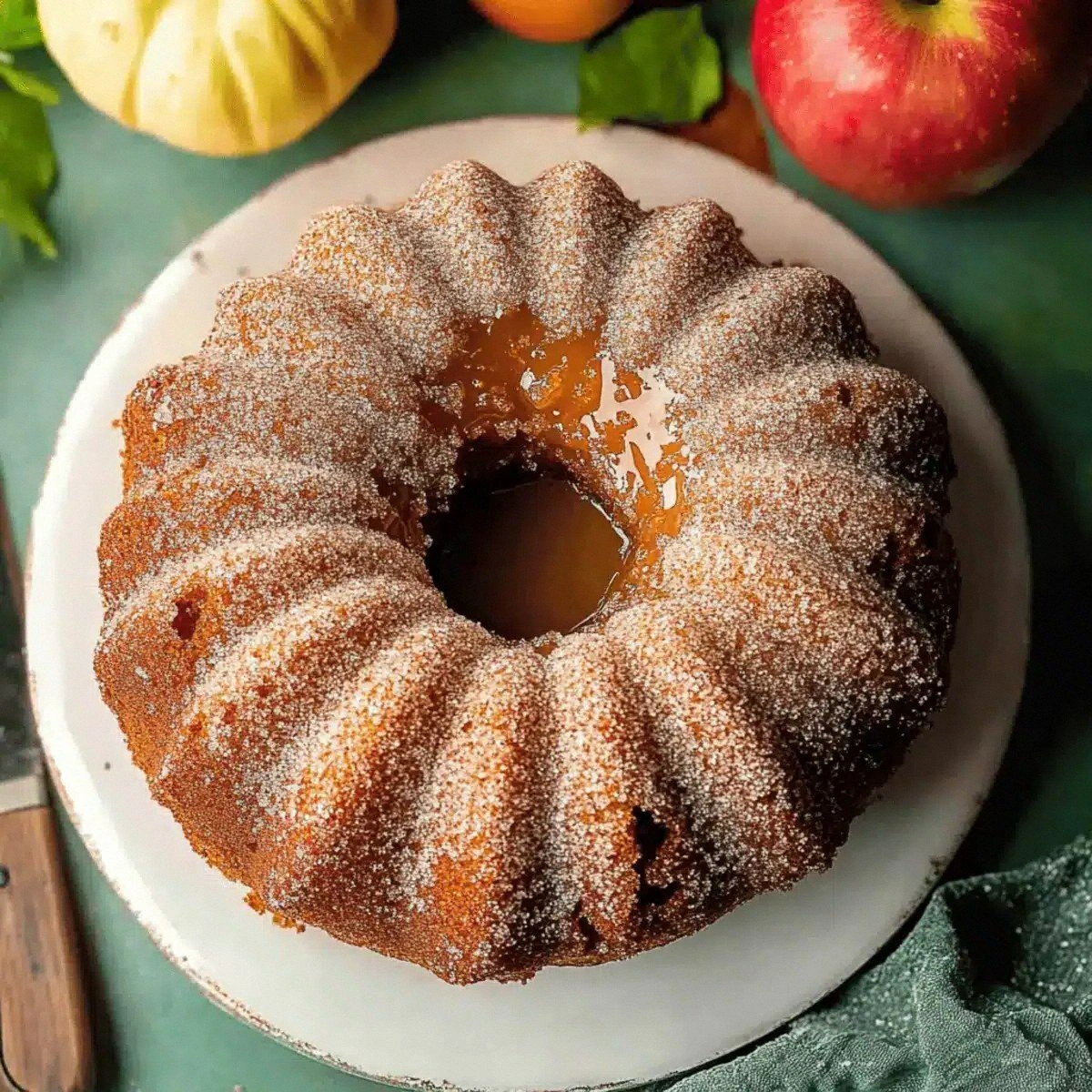
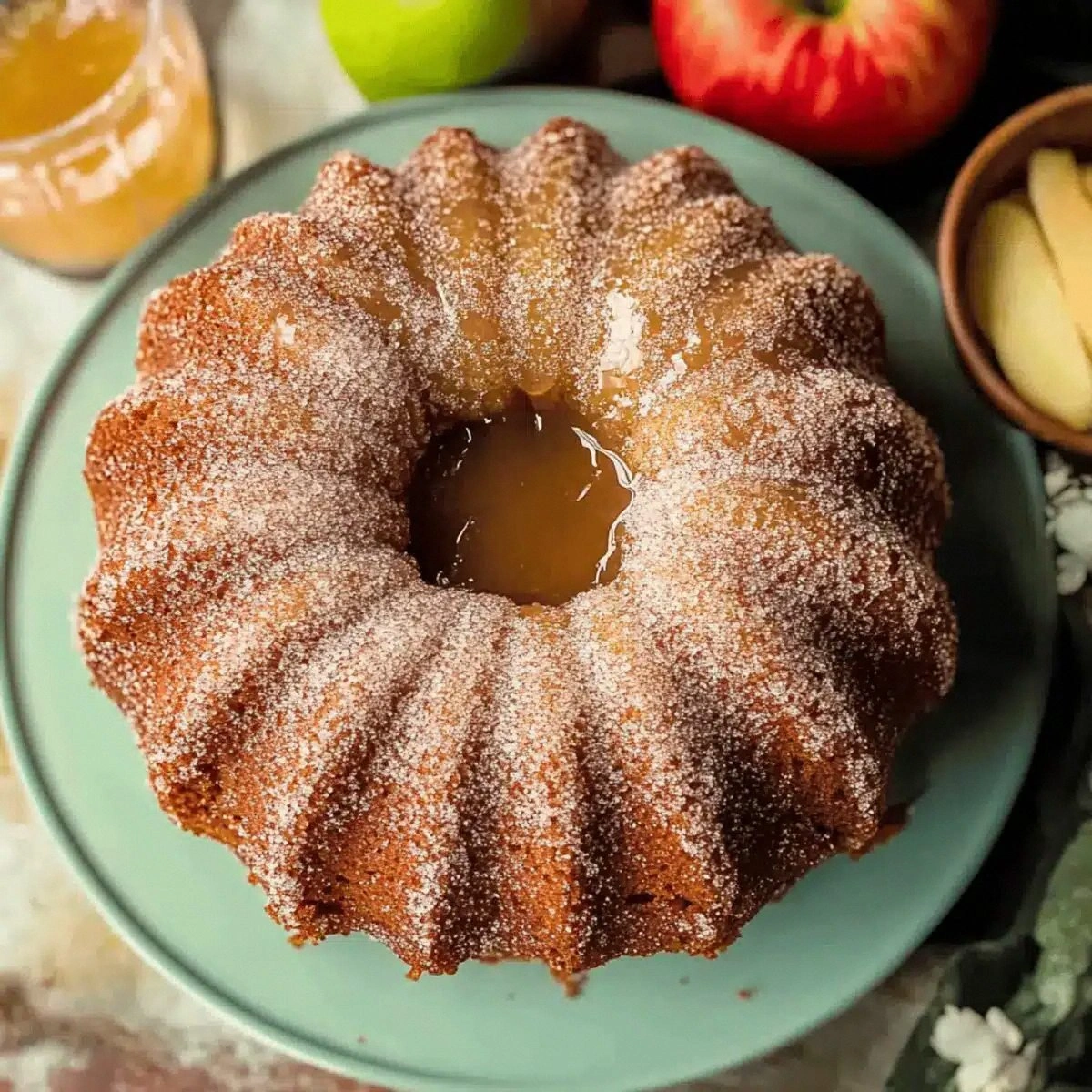
Picture this: a golden‑brown loaf, its surface glistening with a buttery, caramelized cider glaze, the scent of cinnamon and nutmeg swirling around you like a warm hug. The crumb inside is moist, tender, and just the right amount of sweet, with tiny pockets of melted butter that melt on your tongue. The first bite is a symphony—crunchy edges that shatter like thin ice, a soft middle that feels like a cloud, and a lingering spice that makes you sigh with satisfaction. I dare you to taste this and not go back for seconds; it’s honestly the best version you’ll ever make at home.
Let me walk you through every single step — by the end, you’ll wonder how you ever made it any other way. Okay, ready for the game‑changer? This next part? Pure magic. Stay with me here — this is worth it.
What Makes This Version Stand Out
- Taste: The cider glaze adds a bright, fruity tang that cuts through the sweetness, while the cinnamon‑nutmeg blend gives a warm, comforting spice that feels like autumn in a bite.
- Texture: A buttery crumb that stays moist for days, thanks to the dual‑cider liquid and a careful balance of sugars that keep the cake from drying out.
- Simplicity: Only a handful of pantry staples, no fancy equipment, and a straightforward method that even a kitchen rookie can master.
- Uniqueness: The double‑cider technique—one cup in the batter, half a cup in the glaze—creates layers of flavor that most recipes miss.
- Crowd Reaction: I’ve seen strangers at potlucks line up for a second slice; the glaze’s caramel sheen practically pulls people in.
- Ingredient Quality: Using real unsalted butter and a good‑quality apple cider makes the difference between “meh” and “wow”.
- Cooking Method: Baking at a moderate 350°F ensures even rise without a dry top, while the glaze finishes under a brief broil for that perfect crunch.
- Make‑Ahead Potential: This cake actually tastes better the next day as the flavors meld, and it freezes beautifully for future cravings.
Inside the Ingredient List
The Flavor Base
The backbone of any great cake is its flavor foundation, and here it’s all about the marriage of apple cider and warm spices. Apple cider (1 cup in the batter, ½ cup for the glaze) brings a natural sweetness and a subtle acidity that brightens the crumb, preventing it from feeling heavy. If you skip the cider, you’ll lose that bright, fruity note and end up with a cake that tastes more like a plain spice loaf. For a deeper flavor, try a hard‑cider reduction—simply simmer the cider until it’s syrupy before adding it to the batter.
Cinnamon (1 tsp in the batter, 1 tsp in the glaze) is the star spice that evokes fall instantly. It pairs perfectly with the nutmeg, which you only need a pinch of (½ tsp) to add that whisper of warmth without overwhelming the palate. If you’re allergic to nutmeg, try a dash of ground allspice instead; it delivers a similar earthy nuance.
The Texture Crew
All‑purpose flour (2 cups) provides structure. Using a light hand when folding it in keeps the crumb tender. If you’re gluten‑sensitive, a 1‑to‑1 swap with a gluten‑free all‑purpose blend works, but be sure to add a tablespoon of xanthan gum to maintain elasticity.
Baking powder (2 tsp) is the leavening hero, giving the cake its gentle rise. Too much and you’ll get a bitter aftertaste; too little and the cake stays dense. A quick tip: sift the flour and baking powder together to ensure even distribution.
Unsalted butter (½ cup, melted) and salted butter (2 tbsp for the glaze) each play distinct roles. The melted unsalted butter coats the flour particles, creating a tender crumb, while the salted butter in the glaze adds a savory edge that balances the sweetness.
Brown sugar (½ cup) and granulated sugar (½ cup in the batter, plus ¼ cup in the glaze) create a layered sweetness. Brown sugar adds moisture and a caramel depth, while granulated sugar contributes crispness to the glaze. If you prefer a deeper molasses flavor, substitute half the brown sugar with dark brown sugar.
The Unexpected Star
Eggs (2 large) act as binders and add richness. Be sure to bring them to room temperature; cold eggs can cause the batter to seize, resulting in a crumbly texture. If you’re vegan, replace each egg with ¼ cup of unsweetened applesauce and a tablespoon of flaxseed meal.
Vanilla extract (2 tsp) is the subtle background singer that lifts all the flavors without stealing the spotlight. A splash of bourbon or a pinch of ground cloves can also work as an alternative for a more complex profile.
The Final Flourish
Demerara or turbinado sugar (¼ cup) in the glaze provides that satisfying crunch and a hint of molasses that caramelizes under the broiler. If you can’t find it, raw cane sugar works just as well.
Salt (1 tsp) is the unsung hero that amplifies every other flavor. Skipping it makes the cake taste flat, as if the spices are shouting into a void.
Everything's prepped? Good. Let’s get into the real action…
The Method — Step by Step
Preheat your oven to 350°F (175°C) and grease a 9‑inch loaf pan with a thin layer of butter, then dust it with a tablespoon of flour. This prevents a sticky situation later on, and the flour creates a little “cushion” that helps the cake rise evenly. As the oven heats, you’ll hear the faint hum of the fan—trust me, that sound is the prelude to greatness. While the oven warms, gather all your dry ingredients in a large bowl: flour, baking powder, salt, cinnamon, and nutmeg. Sift them together; this aerates the mixture and ensures no clumps of spice ruin the smooth texture.
In a saucepan, melt the ½ cup unsalted butter over low heat, then whisk in 1 cup of apple cider until the mixture is glossy and slightly thickened. This is the moment where the kitchen smells like a caramel‑laden orchard, and the sizzle when the butter hits the cider? Absolute perfection. Let this liquid cool just until it’s warm to the touch—any hotter and it will scramble the eggs later.
In a separate bowl, beat the two large eggs with the ½ cup brown sugar and ½ cup granulated sugar until the mixture is light, fluffy, and pale yellow—think “cloud” rather than “egg”. Add the vanilla extract and continue beating for another 30 seconds. Now, slowly pour the warm butter‑cider mixture into the egg‑sugar blend, whisking constantly to avoid curdling. This gradual incorporation is crucial; it creates an emulsion that traps air, giving the cake its tender crumb.
Gradually fold the dry flour mixture into the wet batter, using a rubber spatula and a gentle hand. Stop mixing as soon as you no longer see streaks of flour; over‑mixing develops gluten, which makes the cake tough. The batter should look thick but pourable, with a few small pockets of air—those are the bubbles that will expand in the oven, creating that coveted “lift”.
Pour the batter into the prepared loaf pan, smoothing the top with the back of a spoon. Place the pan on the middle rack of the oven and bake for 25‑30 minutes, or until a toothpick inserted into the center comes out clean and the top is a deep golden brown. Around the 20‑minute mark, you’ll notice the edges pulling away from the pan—that’s the signal that the crust is forming and the interior is set.
While the cake bakes, prepare the glaze. In a small saucepan, melt 2 tablespoons of salted butter, then stir in ¼ cup granulated sugar, ¼ cup demerara (or turbinado) sugar, ½ cup apple cider, and 1 teaspoon cinnamon. Bring the mixture to a gentle boil, then reduce to a simmer for 3‑4 minutes until it thickens slightly and becomes glossy. This glaze will caramelize beautifully, giving the cake a glossy finish and a sweet‑spicy crunch.
When the cake is done, remove it from the oven and let it rest in the pan for 10 minutes. Then, turn it out onto a wire rack and immediately drizzle the warm glaze over the top, allowing it to seep into the cracks and create a caramelized crust. The glaze will set as the cake cools, forming a thin, crackly shell that shatters like delicate glass when you slice it.
Allow the cake to cool completely before slicing. This final cooling stage is essential; it lets the crumb firm up and the flavors meld, turning a good cake into an unforgettable one. Serve it warm with a dollop of whipped cream or a scoop of vanilla ice cream for an indulgent finish. That’s it — you did it. But hold on, I’ve got a few more tricks that’ll take this to another level…
Insider Tricks for Flawless Results
The Temperature Rule Nobody Follows
Never underestimate the power of a consistent oven temperature. I once baked this cake at 375°F, thinking a hotter oven would give a quicker rise, but the result was a dry, over‑browned top with a gummy interior. The secret is to keep it at 350°F, which allows the batter to rise slowly, creating a uniform crumb. If your oven runs hot, place a pizza stone on the lower rack to stabilize the heat.
Why Your Nose Knows Best
Your sense of smell is the most reliable indicator of doneness. When the cake’s edges start to turn a deep amber and you catch that sweet‑spice scent wafting through the kitchen, you’re close. If you rely solely on time, you risk over‑baking. Trust the aroma; when it feels like a warm hug, it’s time to pull the cake out.
The 5‑Minute Rest That Changes Everything
After removing the cake from the oven, let it sit in the pan for exactly 10 minutes before flipping. This short rest allows the steam to finish cooking the center gently, preventing a soggy crumb. Skipping this step is the reason many bakers end up with a wet bottom. I’ve seen friends cut straight out of the pan and end up with a gummy mess—don’t be that person.
Glaze Timing is Everything
Apply the glaze while the cake is still warm, but not piping hot. If the glaze is poured over a scorching cake, it will melt too quickly and run off, leaving a thin, uneven coating. Warm (but not hot) cake absorbs the glaze like a sponge, creating that coveted crackly crust. A good rule of thumb: the cake should feel comfortably warm to the touch, like a freshly laundered towel.
The Secret Butter Swap
Using a mix of unsalted and salted butter is intentional. The unsalted butter keeps the batter’s flavor pure, while the salted butter in the glaze adds a subtle savory note that balances the sugar. If you only have salted butter on hand, reduce the added salt in the batter by half to avoid over‑salting. This nuance is what makes the flavor profile feel layered rather than one‑dimensional.
Creative Twists and Variations
This recipe is a playground. Here are some of my favorite ways to switch things up:
Maple‑Apple Fusion
Replace half of the apple cider with pure maple syrup and add a tablespoon of toasted pecans to the batter. The result is a richer, caramel‑laden cake that feels like a Thanksgiving centerpiece.
Spiked Autumn
Add a splash (2 tbsp) of bourbon or spiced rum to the glaze for an adult‑only version. The alcohol evaporates slightly, leaving behind a warm, lingering depth that pairs perfectly with a dollop of mascarpone.
Pear & Ginger Delight
Swap the apple cider for pear juice and add 1 teaspoon of freshly grated ginger. This twist brightens the flavor profile, giving it a zingy freshness while still keeping the comforting spice base.
Vegan Velvet
Replace the butter with coconut oil, the eggs with flaxseed “eggs,” and use almond milk mixed with a tablespoon of apple cider vinegar as the liquid. The cake stays moist, and the coconut oil adds a subtle tropical note that’s surprisingly complementary.
Cranberry Crunch
Fold in ½ cup of dried cranberries into the batter and sprinkle a handful on top of the glaze before it sets. The tart cranberries cut through the sweetness, offering a burst of flavor in every bite.
Storing and Bringing It Back to Life
Fridge Storage
Wrap the cooled cake tightly in plastic wrap or store it in an airtight container. It will stay fresh for up to 5 days, and the glaze actually deepens in flavor as it sits. For a quick snack, slice a piece and enjoy it cold—its dense crumb holds up beautifully.
Freezer Friendly
Slice the cake before freezing, then wrap each slice in parchment paper followed by a freezer bag. It freezes solid for up to 3 months. When you’re ready to indulge, microwave a slice for 20‑30 seconds or let it thaw at room temperature for an hour.
Best Reheating Method
To revive a day‑old slice, preheat your oven to 300°F, place the slice on a baking sheet, and add a tiny splash (about a teaspoon) of water or extra cider around the edges. Cover loosely with foil and heat for 8‑10 minutes. The added moisture steams the crumb back to perfection while the glaze re‑crispes.