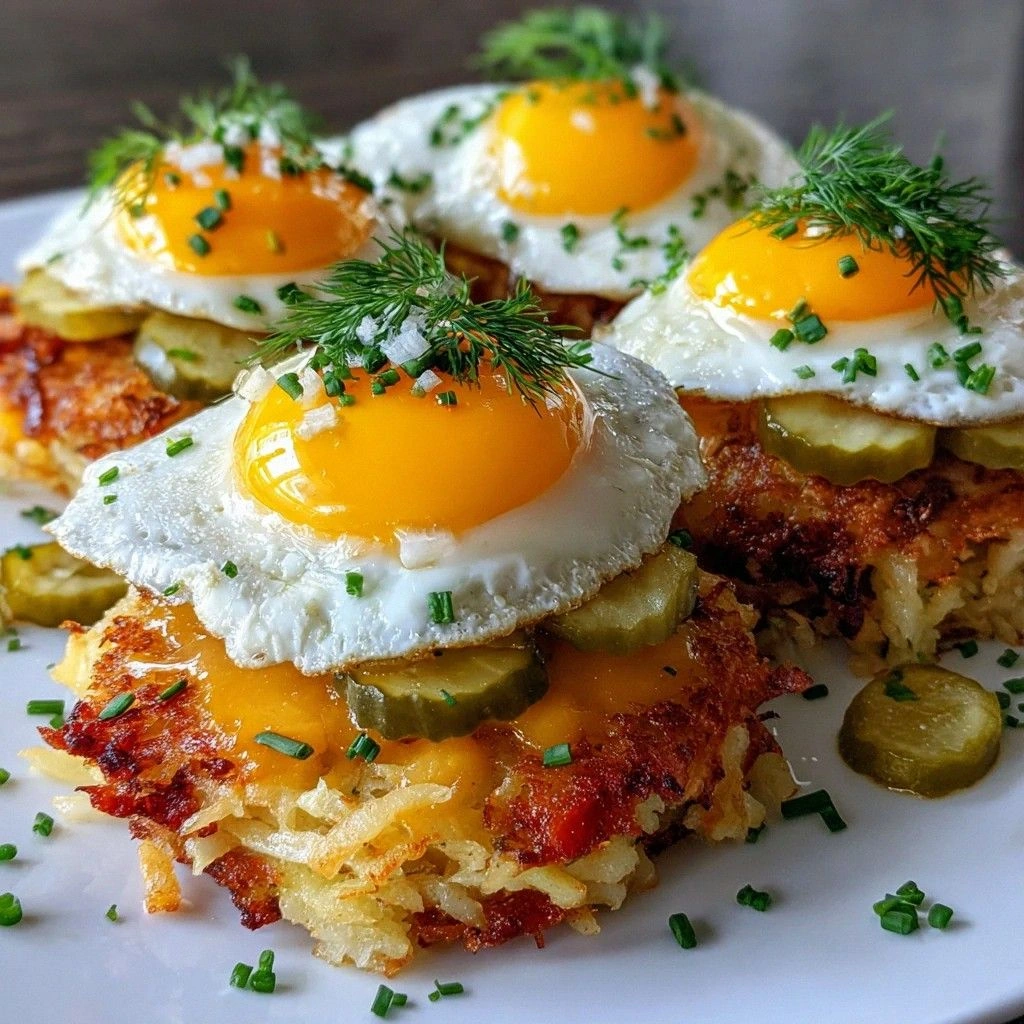
Picture this: it’s a rainy Saturday morning, the kind where the world outside feels like a soggy blanket, and you’re stuck inside with a sudden, insistent craving for something that smells like a warm hug. I was half‑asleep, clutching a mug of coffee, when my roommate dared me to bake cinnamon rolls that would “make the whole neighborhood jealous.” I laughed, grabbed the nearest bag of flour, and set out on a culinary experiment that would end up changing my breakfast game forever. Most cinnamon roll recipes I’ve tried either turned out as dry as old cardboard or as sweet as a candy store, leaving my taste buds confused and my kitchen a mess.
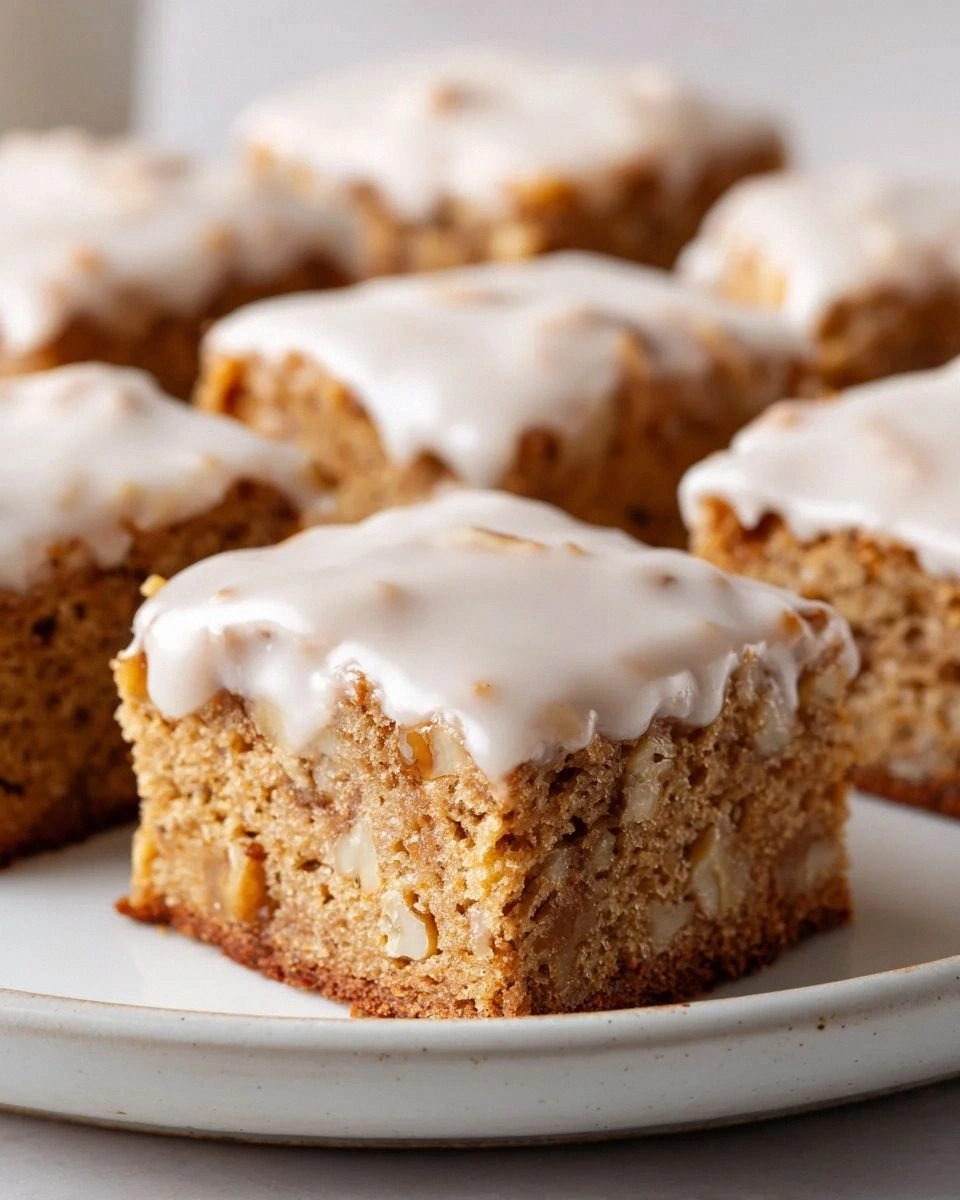
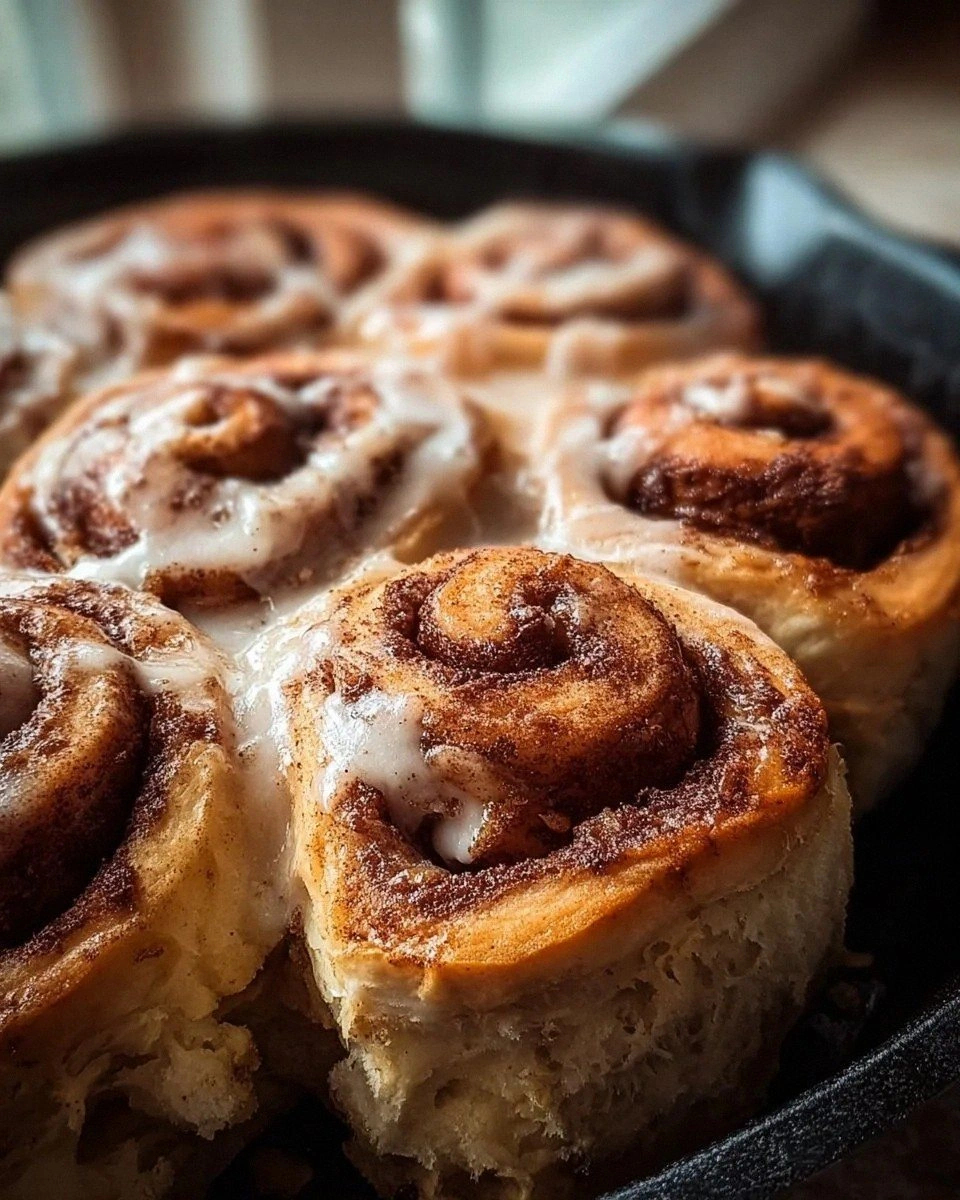
Fast forward to the moment I pulled the first batch of these rolls out of the oven. The kitchen filled with a caramel‑rich aroma that seemed to dance through the air, coaxing the sleepy houseplants into a little sway. The rolls themselves were a golden‑brown masterpiece, their tops glossy from the cream cheese glaze that dripped like melted butter over a summer sunrise. When I cut into one, the interior revealed a perfect swirl of buttery dough and a cinnamon‑brown sugar filling that clung to the crumb like a sweet, spiced blanket. The first bite? It was a symphony of flavors—soft, buttery dough, a hint of tang from the cream cheese, and a cinnamon kick that lingered just long enough to make you close your eyes and sigh.
This version isn’t just another cinnamon roll; it’s the result of a handful of precise tweaks that turn a good recipe into a legendary one. I’ve swapped the typical plain icing for a luxuriously smooth cream cheese frosting that adds a subtle tang, and I’ve let the dough rise twice, giving it that airy, pillow‑like texture that makes every bite melt in your mouth. The secret? A tiny splash of vanilla in the frosting and a pinch of extra butter in the dough, creating a richness that feels indulgent without being overwhelming. Most recipes get the balance wrong, either over‑sweetening the glaze or under‑fluffing the dough—here, we’ve nailed both.
Okay, ready for the game‑changer? I’m about to walk you through every single step—by the end, you’ll wonder how you ever made cinnamon rolls any other way. I dare you to taste this and not go back for seconds. Let’s dive in.
What Makes This Version Stand Out
- Flavor Explosion: The combination of brown sugar, cinnamon, and a tangy cream cheese glaze creates a layered taste experience that’s both sweet and slightly savory.
- Texture Perfection: Double‑rising the dough yields a light, airy crumb that contrasts beautifully with the buttery, slightly crisp edges.
- Simplicity Meets Sophistication: Despite the impressive results, the ingredient list stays pantry‑friendly and the steps are straightforward.
- Unique Twist: The cream cheese frosting replaces the usual powdered sugar glaze, adding a velvety richness that sets these rolls apart.
- Crowd‑Pleaser: Whether it’s a family brunch or a holiday gathering, these rolls consistently get rave reviews and disappear fast.
- Ingredient Quality: Using real unsalted butter and high‑quality cream cheese makes a noticeable difference in flavor depth.
- Cooking Method: Baking at a moderate temperature ensures even caramelization without burning the sugar.
- Make‑Ahead Potential: You can prep the dough a day ahead, refrigerate, and bake fresh the next morning for ultimate convenience.
Inside the Ingredient List
The Flavor Base
The cornerstone of any great cinnamon roll is the dough itself. All‑purpose flour provides the perfect balance of protein and starch, giving the dough structure while still allowing it to expand during fermentation. If you substitute bread flour, you’ll get a chewier texture that some might love, but you’ll lose that delicate fluffiness we’re after. For the best results, use a reputable brand and store it in an airtight container to keep it fresh.
The Texture Crew
Active dry yeast is the living engine that turns sugar into carbon dioxide, creating those coveted air pockets. I use 2 ¼ teaspoons for a 4‑cup flour batch; any less and you’ll end up with a dense loaf, any more and the dough can become overly airy and collapse. Warm milk (around 110°F) awakens the yeast without killing it—think of it as a gentle sunrise for the microbes. The butter, both in the dough and the filling, adds richness and helps create that melt‑in‑your‑mouth crumb; make sure it’s softened, not melted, to avoid a greasy dough.
The Unexpected Star
Cream cheese may seem like a frosting afterthought, but it’s the secret hero that adds a subtle tang and silkiness to the glaze. The acidity cuts through the sweetness, balancing the overall flavor profile. If you’re lactose intolerant, you can swap it for a dairy‑free cream cheese alternative, but the texture won’t be quite the same. A good tip: let the cream cheese sit at room temperature for 30 minutes before mixing—it blends more smoothly and eliminates lumps.
The Final Flourish
The glaze brings everything together. Powdered sugar provides the sweet base, while a splash of milk thins it to a pourable consistency. Vanilla extract adds a fragrant undertone that elevates the entire roll. If you prefer a thicker icing, reduce the milk by a tablespoon; for a runnier glaze, add a bit more milk. Remember, the glaze should be drizzled while the rolls are still warm so it seeps into the crevices, creating that irresistible sticky finish.
Everything's prepped? Good. Let’s get into the real action...
The Method — Step by Step
In a small bowl, combine the warm milk with a pinch of the granulated sugar and the active dry yeast. Let it sit for 5‑7 minutes until it becomes foamy and aromatic—this is the moment the yeast awakens, and you’ll see tiny bubbles forming like a miniature jacuzzi.
Kitchen Hack: If the mixture doesn’t foam, your milk may be too hot or the yeast is dead. Re‑heat the milk to a lukewarm temperature and try again.In a large mixing bowl, whisk together the flour, remaining granulated sugar, and salt. Create a well in the center, then pour in the yeast mixture, softened butter, and beaten eggs. Using a wooden spoon or a stand‑mixer's dough hook, mix until a shaggy dough forms—don’t overmix at this stage; you’re just bringing everything together.
Turn the dough onto a lightly floured surface and knead for about 8‑10 minutes. You’re looking for a smooth, elastic texture that springs back when you press it with a fingertip. This step builds gluten, which is the structural network that traps the carbon dioxide produced by the yeast, giving the rolls their lift.
Kitchen Hack: If the dough feels sticky, sprinkle a teaspoon of flour at a time; too much flour will make the rolls dense.Place the kneaded dough in a lightly greased bowl, cover it with a clean kitchen towel, and let it rise in a warm spot for 1‑1½ hours, or until doubled in size. The kitchen should feel comfortably warm—think of a pre‑heated oven set to 90°F. You’ll know it’s ready when the dough feels puffy and the surface looks slightly domed.
While the dough rises, prepare the filling. In a medium bowl, combine the brown sugar and ground cinnamon, then stir in the softened butter until the mixture forms a smooth paste. Watch Out: Over‑mixing can melt the butter, turning the filling into a greasy mess that won’t hold its shape during rolling.
Watch Out: If the butter is too soft, the filling will ooze out of the rolls and burn on the pan.Once the dough has doubled, punch it down gently to release excess gas. Transfer it back onto a floured surface and roll it into a rectangle about 1‑inch thick and 12‑by‑16 inches in size. The dough should be even; uneven thickness leads to uneven baking.
Spread the cinnamon‑brown sugar mixture evenly over the rolled dough, leaving a small border around the edges. Then, using a sharp knife or dental floss, cut the dough into 12‑14 equal strips. Rolling each strip tightly from the long side creates those iconic spirals.
Place the rolled cinnamon swirls into a greased 9×13‑inch baking dish, spacing them just a fingertip apart. Cover the dish with foil and let the rolls proof for another 30‑45 minutes. They should puff up noticeably—this second rise is what gives the final product that cloud‑like interior.
Preheat your oven to 350°F (175°C). Bake the rolls for 25‑30 minutes, or until the tops are a deep golden brown and the edges start pulling away from the pan. The kitchen will be flooded with that caramel‑cinnamon scent that makes you want to hug the oven door.
While the rolls bake, whisk together the cream cheese, softened butter, powdered sugar, milk, and vanilla extract until the glaze is smooth and glossy. If the glaze is too thick, add a splash more milk; if too thin, add a pinch more powdered sugar.
When the rolls emerge from the oven, let them sit for 5 minutes, then drizzle the warm cream cheese glaze over each one, allowing it to seep into the crevices. Serve them while they’re still warm, and watch the glaze melt into a silky pool.
That’s it — you did it. But hold on, I've got a few more tricks that'll take this to another level...
Insider Tricks for Flawless Results
The Temperature Rule Nobody Follows
Never underestimate the power of a consistent temperature. Yeast thrives between 105°F‑115°F; anything hotter will kill it, anything cooler will stall it. I keep a small kitchen thermometer on hand and always check the milk temperature before mixing. One time I used coffee that was too hot, and the dough never rose—turns out, the yeast was toast. Keep it gentle, and your rolls will rise like a balloon.
Why Your Nose Knows Best
During the second proof, trust your senses more than the clock. When the rolls have puffed up and you can smell a faint caramel note, they’re ready. If you wait too long, they can over‑proof, collapsing into a dense pancake. A quick poke with a fingertip should leave an indentation that slowly springs back—that’s the sweet spot.
The 5‑Minute Rest That Changes Everything
After baking, let the rolls rest uncovered for exactly five minutes before glazing. This short pause lets the steam escape, preventing the glaze from sliding off too quickly. I used to glaze immediately, and the frosting would pool at the bottom, making the tops soggy. Those five minutes are a tiny investment for a perfectly glossy finish.
Butter Boost for Extra Fluff
Adding an extra tablespoon of melted butter to the dough just before the first rise gives the crumb an extra layer of richness without weighing it down. It’s a subtle change, but the difference is noticeable when you bite into the airy interior. I tried it once and the rolls felt like they were wrapped in a buttery cloud.
Freezing the Dough for Future Batches
If you’re a make‑ahead enthusiast, you can freeze the rolled, unbaked cinnamon swirls on a parchment‑lined tray. Once solid, transfer them to a zip‑top bag. When you’re ready to bake, let them thaw at room temperature for 30 minutes, then give them a quick 15‑minute rise before popping them into the oven. They’ll bake up just as fresh as the day‑old dough.
Creative Twists and Variations
This recipe is a playground. Here are some of my favorite ways to switch things up:
Apple‑Cinnamon Swirl
Finely dice a crisp apple and toss it with a bit of lemon juice, then sprinkle the mixture over the dough before adding the cinnamon filling. The apple adds a juicy burst that pairs beautifully with the creamy glaze.
Chocolate Hazelnut Delight
Swap half of the brown sugar for cocoa powder and add a tablespoon of hazelnut spread to the filling. The result is a decadent, mocha‑like roll that’s perfect for an indulgent brunch.
Maple Pecan Crunch
Replace the brown sugar with pure maple syrup and fold toasted pecans into the filling. The nuts add a satisfying crunch, while the maple lends a caramel depth that’s impossible to resist.
Spiced Pumpkin Version
Mix canned pumpkin puree into the dough and add a pinch of nutmeg and cloves to the cinnamon blend. Top with a drizzle of maple‑cream cheese glaze for a fall‑inspired treat that’s still perfect year‑round.
Vegan Friendly
Swap the butter for coconut oil, use a plant‑based cream cheese, and replace the eggs with a flax‑egg mixture (1 tbsp ground flaxseed + 3 tbsp water). The flavor profile stays rich, and you’ll have a 100 % vegan cinnamon roll.
Savory Herb Twist
Omit the cinnamon and brown sugar, and instead blend fresh rosemary, thyme, and a touch of garlic into the butter for a savory roll. Finish with a light drizzle of olive oil and sea salt. Perfect as a side for soups or salads.
Storing and Bringing It Back to Life
Fridge Storage
Allow the rolls to cool completely, then place them in an airtight container. They’ll stay fresh for up to three days. If the glaze hardens, gently microwave for 10‑15 seconds to soften it before serving.
Freezer Friendly
Wrap each roll individually in plastic wrap, then seal the whole batch in a freezer bag. They’ll keep for up to two months. To reheat, unwrap and bake at 300°F for 12‑15 minutes, or microwave for 20 seconds, adding a tiny splash of water to the container to create steam and revive the softness.
Best Reheating Method
The secret to bringing them back to life is steam. Place the rolls on a baking sheet, sprinkle a few drops of water around them, and cover loosely with foil. Heat in a 325°F oven for 8‑10 minutes. The steam revitalizes the crumb, while the glaze re‑melts into a glossy finish.