The kitchen had been a battlefield that morning. I was chasing a last‑minute craving for something sweet, tropical, and utterly indulgent, but the pantry was a sad collection of dry biscuits and a single jar of honey. I tossed a handful of sago pearls into a pot, watching them swirl like tiny planets, and the scent of coconut milk began to fill the air. That scent was the promise of a dessert that would turn my kitchen into a beachside escape, even if the weather outside was a gray drizzle. I was about to discover that the simplest of ingredients, when layered with the right technique, can create a creamy, dreamy treat that feels like a vacation in a bowl.
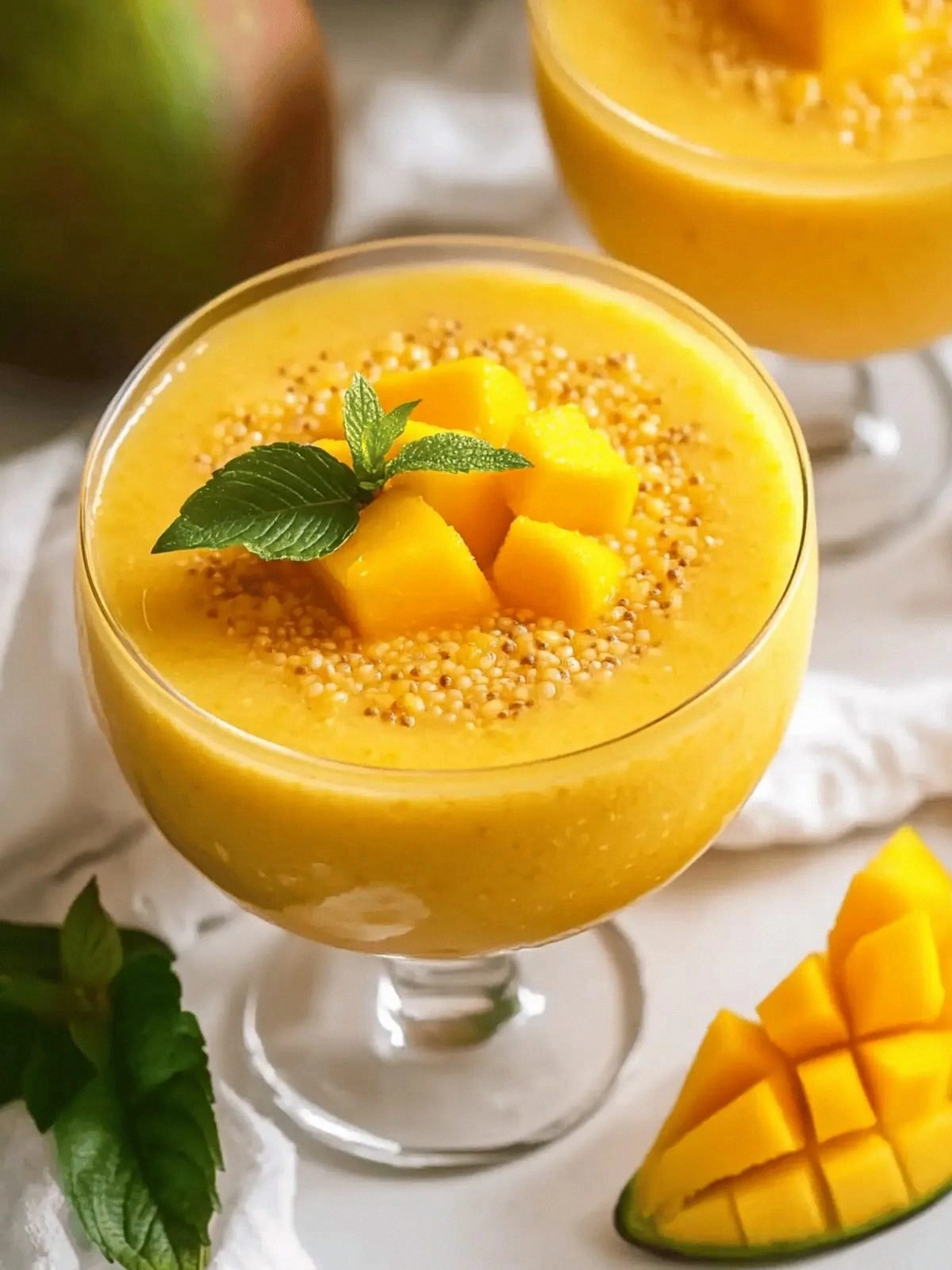
Picture this: a glossy, translucent base of coconut milk, gently simmering with sago pearls that puff up like miniature clouds, each pearl absorbing the sweet richness of condensed milk and evaporated milk. Layered on top, a swirl of mango jelly that glistens like a sunrise, and a generous topping of coconut jelly that offers a subtle, chewy contrast. The result is a dessert that feels like a tropical sunrise in a glass, with every spoonful delivering a burst of mango sweetness, a mellow coconut hug, and a silky texture that melts in your mouth. I dare you to taste this and not go back for seconds. If you think this sounds too good to be true, wait until you taste the first spoon.
What sets this version apart is that it takes the humble sago and elevates it into a multi‑layered masterpiece that’s easy to assemble, yet impossible to forget. It’s hands down the best version you'll ever make at home because it balances sweetness, texture, and tropical flavor in a way that feels both indulgent and refreshing. Most recipes get this completely wrong by overcooking the pearls or using too much sugar, but I’ve cracked the secret to perfect, translucent pearls that still hold their bite. The final dish is so versatile that it can be served as a dessert, a light snack, or a show‑stopping centerpiece for a dinner party. Picture yourself pulling this out of the fridge, the whole kitchen smelling incredible, and your guests reaching for the spoon without hesitation.
And now, the fun part. Let me walk you through every single step — by the end, you'll wonder how you ever made it any other way. From the first sago soak to the final drizzle of mango jelly, every moment is a chance to create a little piece of tropical paradise right in your kitchen. Stay with me here — this is worth it.
What Makes This Version Stand Out
- Texture: The sago pearls are cooked to a translucent perfection that offers a subtle chew, while the jellies provide a contrasting snap that keeps each bite exciting.
- Flavor Balance: The combination of coconut milk, evaporated milk, and condensed milk creates a creamy base that is sweet but not cloying, and the mango jellies punch it with bright, fruity acidity.
- Visual Appeal: The layered look, with the golden coconut jelly on top of the pale mango jelly, gives a vibrant, Instagram‑ready aesthetic that will impress anyone.
- Ease of Prep: The recipe requires no baking or complex techniques—just a few simmering steps and a chilling period.
- Make‑Ahead Friendly: Once assembled, it can be stored in the fridge for up to 48 hours, making it perfect for busy evenings or last‑minute gatherings.
- Ingredient Quality: Using full‑fat coconut milk and fresh mangoes gives depth and authenticity that store‑bought alternatives can’t match.
- Audience Appeal: It satisfies sweet cravings while still offering a light, refreshing finish—ideal for hot summer days or a post‑dinner treat.
- Flavor Versatility: The base can be swapped with other fruit jellies or spices for endless variations.
Alright, let's break down exactly what goes into this masterpiece... and why each element matters.
Inside the Ingredient List
The Flavor Base
The foundation of this dessert is the creamy coconut milk base, which is the soul of the dish. Coconut milk not only provides a luscious texture but also a subtle tropical aroma that awakens your senses. Using full‑fat coconut milk gives you that rich mouthfeel; if you use light coconut milk, the dessert will feel watery and lack depth. When you add evaporated milk, you’re introducing a creamy consistency that balances the coconut’s oiliness and keeps the mixture from becoming too thick.
Condensed milk is the sweetener of choice. It dissolves quickly, infusing the entire mixture with a caramelized sweetness that’s less cloying than granulated sugar. A pinch of sea salt can elevate the sweetness, but it’s optional if you prefer a pure mango‑coconut profile. If you’re watching sugar, you can replace condensed milk with a natural sweetener like honey or maple syrup, but be mindful that the flavor will shift slightly.
The Texture Crew
Sago pearls are the star of the show. They’re tiny tapioca grains that, when cooked correctly, become translucent and chewy. The key to perfect sago is to keep the water at a gentle simmer and to stir occasionally; this prevents the pearls from sticking together. If you overcook them, they’ll become gummy and lose their distinct bite.
The jellies are the texture contrast. Coconut jelly gives a subtle chew and a light coconut flavor, while mango jelly provides a burst of fruitiness and a pleasant snap. The jellies should be set to a firm consistency before adding them to the dessert; if they’re too soft, they’ll dissolve too quickly, and if they’re too firm, they’ll feel like candy.
The Unexpected Star
Fresh mangoes are the unexpected star that ties everything together. Their natural sugars and bright acidity cut through the richness of the coconut and milk, giving the dessert a balanced, refreshing finish. When selecting mangos, look for fruit that’s slightly soft to the touch but not mushy; this ensures maximum flavor extraction. If you’re in the off‑season, frozen mangos work well, just make sure to thaw them fully before pulsing into a smooth puree.
The Final Flourish
The final flourish is the decorative swirl of mango jelly on top. It adds a pop of color and an extra layer of fruity sweetness that makes each spoonful a visual and gustatory delight. The jelly can be flavored with a hint of lime zest or a pinch of chili for an unexpected kick. When you drizzle it over the dessert, use a piping bag or a spoon to create a decorative pattern.
Everything’s prepped? Good. Let’s get into the real action and bring the flavors together.
The Method — Step by Step
- Begin by rinsing the sago pearls under cold water until the water runs clear. This removes excess starch and prevents clumping. Set them aside in a bowl and cover with warm water; let them soak for 10 minutes, then drain again.
- In a medium saucepan, combine the coconut milk, evaporated milk, and condensed milk. Heat over medium heat, stirring constantly, until the mixture just begins to bubble. Watch the edges; they should start to lift slightly, indicating the milk is warmed.
- Add the soaked sago pearls to the milk mixture. Stir gently, ensuring the pearls are fully submerged. Reduce the heat to low and let the pearls cook for 15 minutes, stirring every 5 minutes to keep them from sticking.
- After 15 minutes, check the pearls. They should be translucent and slightly firm to the bite. If they’re still hard, give them a few more minutes; if they’re mushy, reduce the heat further.
- While the pearls finish cooking, puree the fresh mangos in a blender until silky smooth. If you prefer a chunkier texture, reserve a few diced mango pieces for later. This puree will become the base for the mango jelly.
- To set the mango jelly, combine the mango puree with 1/4 cup of sugar (or sweetener of choice) and 1 tablespoon of agar‑agar powder. Bring the mixture to a gentle boil, then simmer for 3 minutes, whisking constantly. Remove from heat and let it cool slightly before pouring into a silicone mold.
- For the coconut jelly, dissolve 1/4 cup of sugar in 1 cup of coconut milk, add 1 tablespoon of agar‑agar, and bring to a boil. Simmer for 3 minutes, whisking continuously, then pour into a separate mold. Allow both jellies to set at room temperature for 30 minutes.
- Once the jellies are set, cut them into small cubes or thin sheets, depending on your serving style. The coconut jelly should be slightly firmer to provide contrast against the softer mango jelly.
- To assemble, spoon the sago mixture into individual serving glasses, filling them about two‑thirds full. Layer the mango jelly cubes over the top, then top with coconut jelly pieces. Finish with a drizzle of mango jelly or a sprinkle of fresh mango chunks. Chill the glasses in the refrigerator for at least 1 hour before serving.
That's it — you did it. But hold on, I've got a few more tricks that'll take this to another level.
Insider Tricks for Flawless Results
The Temperature Rule Nobody Follows
The key to perfect sago pearls is maintaining a gentle simmer rather than a rolling boil. A rolling boil forces the pearls to collide and stick together, creating a gummy texture. Keep the heat low, and use a lid that’s slightly ajar to allow steam to escape while preserving moisture. If you’re new to cooking sago, try a test batch with just a handful of pearls to gauge the ideal simmering time.
Why Your Nose Knows Best
Before you add the jellies, take a quick sniff of the coconut milk mixture. It should smell like toasted coconut, not burnt. A burnt aroma indicates the milk is over‑heated and will impart a bitter note to the final dessert. If you notice a slight caramelization, reduce the heat and let it cool for a minute before continuing.
The 5‑Minute Rest That Changes Everything
After you remove the sago mixture from heat, let it rest for 5 minutes before serving. This resting period allows the pearls to finish cooking through steam and absorb the milk fully, ensuring a silky mouthfeel. Skipping this step often leaves the pearls undercooked and chewy.
Layering Technique for Visual Appeal
When assembling the dessert, pour the sago mixture slowly into the glasses, letting it settle before adding the jellies. This creates distinct layers that are visually striking. If you prefer a more blended look, gently swirl the jellies into the sago mixture with a spoon, but be careful not to break the jelly pieces.
The Sweetness Balance Hack
If you find the dessert too sweet, add a splash of lime juice to the mango jelly mixture. The acidity will cut through the richness and give the dessert a refreshing zing. Alternatively, a pinch of sea salt in the coconut milk mixture can elevate the coconut flavor without adding more sugar.
The Quick Chill Trick
To speed up the chilling process, place the assembled glasses in the freezer for 20 minutes, then transfer them to the refrigerator. This two‑step cooling ensures the dessert sets quickly while preventing condensation that can dilute the flavors.
Creative Twists and Variations
This recipe is a playground. Here are some of my favorite ways to switch things up:
Tropical Twist
Swap the mango jelly for passion fruit jelly and add a dash of coconut rum for an adult version. The tartness of passion fruit balances the coconut’s sweetness, while the rum adds depth. This variation is perfect for a summer cocktail night.
Berry Bliss
Replace the mango puree with a blended mix of strawberries and blueberries. Use a strawberry jelly instead of mango jelly for a vibrant color and a sweet‑tart flavor. The berries bring a fresh, antioxidant boost to the dessert.
Spicy Kick
Add a pinch of cayenne pepper to the sago mixture for a subtle heat that contrasts with the sweet jellies. The heat lingers on the palate, creating a memorable finish. This version works well with a drizzle of honey for a sweet‑heat balance.
Nutty Nook
Incorporate toasted coconut flakes into the coconut jelly for added crunch. Sprinkle crushed pistachios on top before chilling. The nuts add a satisfying crunch and a nutty aroma that complements the tropical flavors.
Coffee Infusion
Add a shot of cold brew coffee to the coconut milk base for a mocha‑flavored twist. The coffee’s bitterness balances the sweetness, while the sago pearls provide texture. This version is a great dessert after a late‑night dinner.
Herbal Hint
Infuse the coconut milk with fresh lemongrass before cooking. Strain it out before adding the sago, and then use the same lemongrass‑infused milk for the jellies. The citrusy aroma elevates the tropical feel and adds a subtle herbal note.
Storing and Bringing It Back to Life
Fridge Storage
Store the assembled dessert in the refrigerator for up to 48 hours. Keep the glasses sealed with a lid or plastic wrap to prevent the absorption of fridge odors. The sago will remain firm, and the jellies will maintain their shape.
Freezer Friendly
For longer storage, place the glasses in a freezer‑safe container and freeze for up to 2 weeks. When ready to serve, thaw in the refrigerator for 2 hours. The texture will be slightly softer but still delightful.
Best Reheating Method
To revive a chilled dessert, add a tiny splash of water to the bottom of each glass and microwave on low for 10–15 seconds. The water steams the dessert, restoring its silky texture. Avoid overheating, as the jellies may melt and lose their shape.