And the best part? I’ve discovered a secret trick that elevates the sauce from simple to unforgettable. I’ll be honest—after I made the first batch, I ate half before anyone else could taste it. That was the moment I realized I had stumbled onto a culinary goldmine. Picture yourself pulling this out of the oven, the whole kitchen smelling incredible, and knowing that you’ve created something that will impress even the most discerning palates. Let me walk you through every single step—by the end, you'll wonder how you ever made it any other way.
What Makes This Version Stand Out
- Flavor: The sauce marries creamy richness with a subtle smokiness from the roasted peppers, creating a depth that’s both comforting and exciting.
- Texture: The salmon stays moist and flaky, while the sauce has a silky consistency that clings to each bite without weighing it down.
- Ease: With only ten ingredients and a streamlined process, you can have a gourmet meal ready in less than an hour.
- Versatility: Swap the salmon for cod or shrimp and the dish transforms into a new culinary adventure.
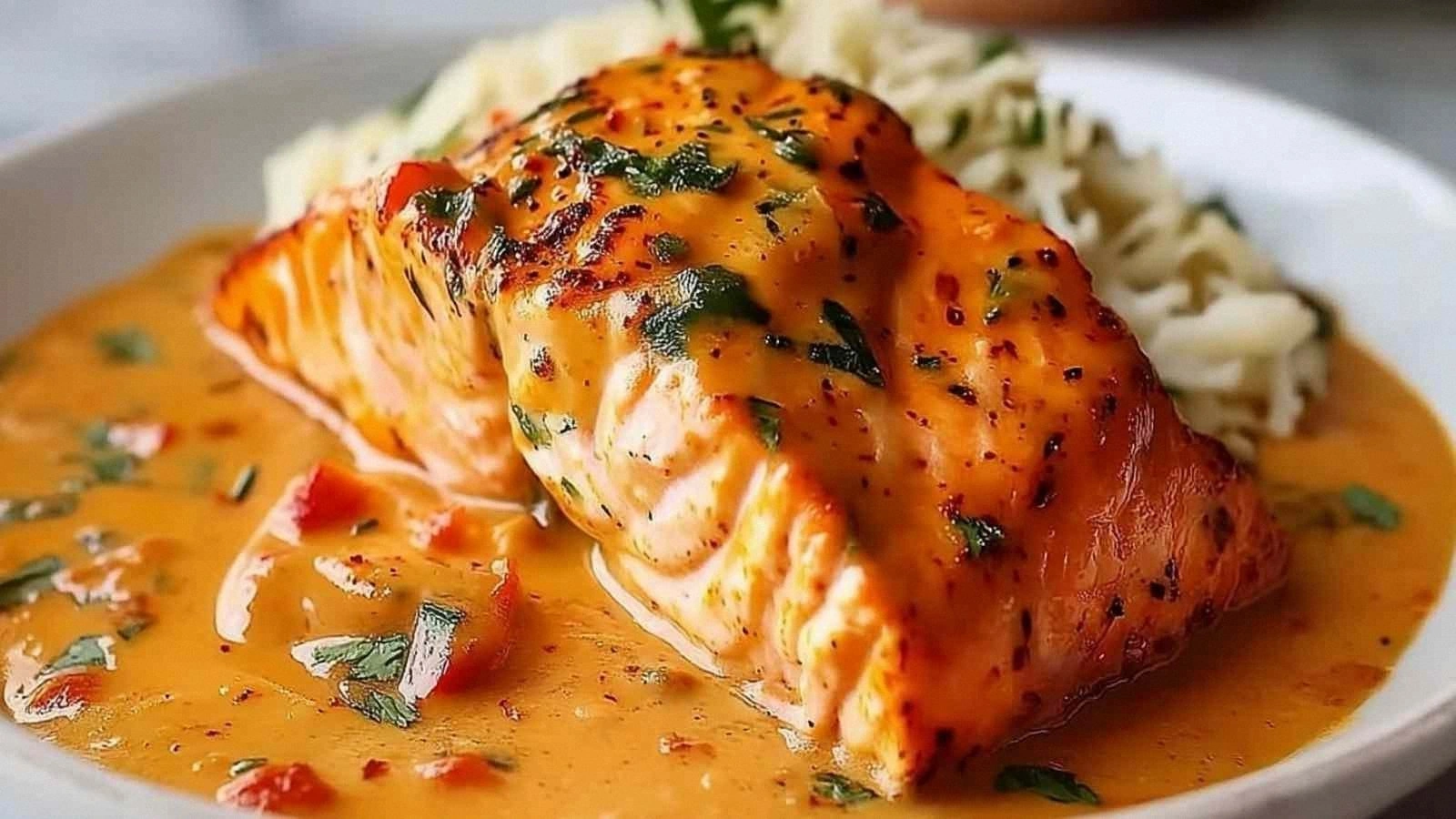
- Visual Appeal: The bright red of the peppers against the pale salmon creates a plate that looks as good as it tastes.
- Crowd Reaction: Friends who have tried this version rave about the balance of flavors and the comforting texture.
- Ingredient Quality: Using jarred roasted red peppers ensures a consistent flavor profile that fresh peppers can’t always guarantee.
- Make‑Ahead Potential: The sauce can be prepped ahead and reheated without losing its silky finish.
Inside the Ingredient List
The Flavor Base
The foundation of this dish is the sauce, which starts with a simple sauté of garlic in olive oil. The garlic releases its aromatic oils, creating a fragrant base that infuses the entire dish. Heavy cream thickens the mixture, giving it a luxurious mouthfeel. If you skip the cream, the sauce will become thin and watery, losing that velvety sensation.
The Texture Crew
Salmon fillets are the star, chosen for their firm yet flaky flesh that holds up to cooking. Olive oil coats the fillets, preventing sticking and promoting a beautiful sear. The chicken broth adds a subtle umami note, ensuring the sauce has depth without becoming too heavy. Without the broth, the sauce can taste flat and overly sweet.
The Unexpected Star
Jarred roasted red peppers are the game‑changer. They bring a sweet, smoky flavor that balances the richness of the cream. Their bright color also adds visual appeal. If you prefer a fresher taste, you can substitute with roasted fresh peppers, but the jarred version offers consistency.
The Final Flourish
Fresh parsley and lemon juice finish the dish with brightness and a touch of acidity. Parsley adds a herbal note and a pop of green that contrasts the red peppers. Lemon juice cuts through the cream, preventing the dish from feeling heavy. Skipping the lemon will result in a richer, but less balanced flavor profile.
Everything's prepped? Good. Let's get into the real action...
The Method — Step by Step
- Heat a large skillet over medium‑high heat and add the tablespoon of olive oil. As the oil warms, you’ll hear the first pop of garlic when it’s added, signaling that the base is ready. Let the oil shimmer without smoking; this is the moment where the flavor foundation begins.
- Add the minced garlic and sauté for 30 seconds until fragrant. The garlic should release a sweet aroma but not brown. This quick step ensures the garlic doesn’t become bitter, which would ruin the sauce’s delicate balance.
- Stir in the jarred roasted red peppers, letting them mingle with the garlic for a minute. The peppers soften and release their sweet, smoky juices, creating a rich base. This is the time when the sauce starts to take on its signature color.
- Pour in the heavy cream and a splash of chicken broth, then stir to combine. Reduce the heat to medium, letting the mixture simmer gently for 3–4 minutes. The sauce should thicken slightly, coating the back of a spoon.
- Season with salt, black pepper, dried oregano, and red pepper flakes. Taste and adjust; the pepper flakes give a subtle kick that elevates the dish. This is the moment where the sauce’s complexity unfolds.
- While the sauce simmers, season the salmon fillets with salt and pepper. Pat them dry with paper towels to ensure a crisp sear. The fillets should be at room temperature for even cooking.
- Place the salmon fillets skin‑side down in the skillet and cook for 4–5 minutes until the edges start pulling away. Flip gently and cook for another 3–4 minutes, or until the internal temperature reaches 145°F (63°C). The skin should be crisp and the flesh flaky.
- Return the sauce to the skillet, spooning it over the salmon fillets. Let everything simmer together for 2 minutes, allowing the flavors to marry. The sauce will thicken further, coating the fish with a glossy sheen.
- Finish with fresh parsley and a squeeze of lemon juice. The parsley adds a bright contrast, while the lemon brightens the richness. This final touch transforms the dish from good to unforgettable.
- Serve immediately over rice, quinoa, or roasted vegetables. The sauce will coat the grains or veggies, creating a cohesive, comforting plate. Enjoy the silky, savory experience that lingers on your palate.
That’s it—you did it. But hold on, I've got a few more tricks that'll take this to another level. These insider tips are the difference between a great dish and a legendary one.
Insider Tricks for Flawless Results
The Temperature Rule Nobody Follows
Cooking salmon at a slightly lower temperature preserves its moisture. I always set my stove to medium‑low when searing the fillets, allowing the outside to crisp without drying the inside. This subtle shift means the fish remains tender and juicy, with a buttery bite that melts in your mouth.
Why Your Nose Knows Best
Smell the sauce as it simmers. A pleasant, toasty aroma signals the ideal consistency. If it smells faint or flat, let it cook a bit longer; the natural sugars in the peppers will caramelize, enhancing sweetness and depth.
The 5‑Minute Rest That Changes Everything
Once the salmon is finished, let it rest for five minutes before serving. This allows the juices to redistribute, ensuring every bite is evenly moist. The rest also lets the sauce thicken slightly, giving it that glossy, luxurious finish.
Skip the Skin, Keep the Flavor
If you’re a fan of skinless fillets, I recommend seasoning the flesh directly with a pinch of paprika to mimic the smoky flavor that skin adds. This keeps the dish light while still delivering that satisfying depth.
The Lemon Twist
Instead of a single squeeze, drizzle a thin ribbon of lemon zest oil over the finished dish. The zest adds a bright citrus burst that pairs beautifully with the creamy sauce. It also gives the plate a professional, restaurant‑grade finish.
The Garlic Whisper
Use a garlic press to extract the garlic’s full flavor without the gritty texture. Pressed garlic releases more essential oils, giving the sauce a richer, more aromatic base. This small step elevates the dish from ordinary to extraordinary.
Creative Twists and Variations
This recipe is a playground. Here are some of my favorite ways to switch things up:
Mediterranean Breeze
Swap the heavy cream for Greek yogurt and add a handful of Kalamata olives. The yogurt brings a tangy brightness, while the olives introduce briny depth. Serve over couscous for a complete Mediterranean experience.
Spicy Thai Fusion
Add a tablespoon of red curry paste during step 5 and finish with a drizzle of coconut milk. The curry paste gives a bold, aromatic heat, and the coconut milk adds a silky sweetness. Pair with jasmine rice for an exotic twist.
Herb Garden Delight
Replace dried oregano with fresh basil and sprinkle chopped mint on top before serving. The fresh herbs brighten the dish, creating a fresh, garden‑fresh profile. This variation is perfect for summer evenings.
Pesto‑Infused Cream
Stir in a couple of spoonfuls of basil pesto during step 4. The pesto adds a vibrant green hue and an herbal, nutty flavor that pairs wonderfully with the salmon. The sauce becomes a harmonious blend of creamy and herbaceous.
Vegan Version
Use firm tofu or tempeh instead of salmon and substitute coconut cream for heavy cream. The tofu absorbs the sauce beautifully, while the coconut cream provides the same silky texture. Add a splash of soy sauce for umami depth.
Salsa Verde Surprise
Replace the roasted red peppers with a fresh salsa verde made from green chilies, cilantro, and lime. The green sauce offers a zesty, fresh contrast to the creamy base. This version is ideal for a light, refreshing dinner.
Storing and Bringing It Back to Life
Fridge Storage
Store leftovers in an airtight container for up to 3 days. Keep the sauce separate if you prefer to reheat the salmon first; this prevents the fish from becoming soggy. When ready to eat, reheat gently on the stove, stirring occasionally.
Freezer Friendly
The dish freezes well for up to 2 months. Portion the salmon and sauce into separate freezer bags, then thaw overnight in the refrigerator. Reheat on low heat, adding a splash of water or broth to restore the sauce’s silky texture.
Best Reheating Method
To revive the sauce’s richness, add a tiny splash of water before reheating. This steams the sauce back to perfection, preventing it from becoming too thick. Finish with a quick drizzle of lemon juice to brighten the flavors.