Picture this: a rainy Tuesday, the kind that makes you want to curl up with something warm, comforting, and just a little exotic. I was staring at a half‑cooked batch of store‑bought curry that tasted like a cardboard box that had been left in the back of the pantry for a decade. The sauce was thin, the sweet potato chunks were mushy, and the whole thing lacked the punch I craved. I tossed the sad attempt into the trash, grabbed a notebook, and declared a culinary war on blandness. That moment of frustration turned into a dare: I would craft the most unforgettable Thai sweet potato curry you’ve ever tasted, and I would make it so creamy it could double as a dip for naan if you felt adventurous.
The kitchen quickly filled with the intoxicating perfume of simmering coconut milk, red curry paste, and a whisper of lime. I could hear the gentle hiss as the oil kissed the onions, and the sweet potatoes began to soften, their orange flesh turning translucent like sunrise through a kitchen window. My fingertips tingled as I grated fresh ginger, feeling the zing of its heat seeping into the air. The texture of the curry thickened, coating the spoon like velvet, while the bright green snap peas added a pop that reminded me of fresh spring after a long winter. Every sense was on high alert, and my stomach was already doing cartwheels.
Why is this version different from every other recipe you’ve Googled? First, the base sauce combines coconut milk with a splash of vegetable broth, creating a silky richness without drowning the delicate spice notes. Second, I’m using a double‑layered flavor technique: I sauté the aromatics first, then deglaze with a touch of lime juice before folding in the curry paste, which preserves its bright, fermented depth. Third, the sweet potatoes are roasted briefly before they hit the pot, giving them caramelized edges that shatter like thin ice when you bite into them. Most recipes skip this step and end up with a mushy, indistinct texture. I’ll also be adding a pinch of brown sugar to balance the heat, a secret that makes the sauce sing.
And here’s the kicker: I’m swapping the usual fish sauce for a splash of soy sauce infused with kaffir lime leaves, giving the dish a subtle citrusy umami that you won’t find in any take‑out version. This little twist is the game‑changer that elevates the curry from ordinary to legendary. I dare you to taste this and not go back for seconds. Let me walk you through every single step — by the end, you’ll wonder how you ever made it any other way.
What Makes This Version Stand Out
- Depth of Flavor: By sautéing the aromatics and deglazing before adding the curry paste, every spice gets a chance to bloom, resulting in a sauce that whispers and roars at the same time.
- Creamy Texture: The coconut‑milk‑and‑broth blend creates a silk‑smooth mouthfeel that coats each bite like a luxurious blanket, never greasy, always luscious.
- Caramelized Sweet Potatoes: Roasting the cubes first gives them sweet, crispy edges that contrast beautifully with the soft interior, adding a textural surprise.
- Balanced Heat: Red Thai curry paste provides heat, while brown sugar and lime juice keep the spice from overwhelming the palate, creating a perfect sweet‑spicy harmony.
- Ingredient Simplicity: You only need pantry staples plus a few Thai essentials; no exotic gadgets or hard‑to‑find herbs.
- Make‑Ahead Friendly: This curry actually tastes better the next day once the flavors have married, making it perfect for meal prep.
- Crowd‑Pleaser: Even skeptical eaters who think “Thai” equals “spicy” fall in love after the first spoonful, because the spice is nuanced, not aggressive.
- Versatile Base: Swap the protein or veggies, and you have a whole new dish—yet the core remains irresistibly comforting.
Inside the Ingredient List
The Flavor Base
Coconut Oil (1 tbsp): This is the silent hero that carries the aromatics without adding extra flavor, letting the curry paste shine. If you skip it, the onions will stick and you’ll lose that buttery foundation. You can swap with avocado oil for a neutral taste, but don’t use olive oil—it will interfere with the Thai profile.
Onion (1 medium, diced): The onion provides a natural sweetness that balances the heat. A quick sauté until translucent releases sugars that deepen the broth. If you’re out of onions, shallots work beautifully, offering a milder, more delicate flavor.
Garlic (2 cloves, minced): Garlic adds a pungent backbone and aromatic depth. Over‑cooking turns it bitter, so watch the clock. For a twist, try roasted garlic for a sweeter nuance.
Fresh Ginger (1 tbsp, minced): Ginger delivers that signature zing that makes Thai dishes sing. It also aids digestion, which is a nice bonus for heavy meals. If ginger isn’t fresh, a high‑quality paste works, but adjust the amount to avoid overpowering the curry.
The Texture Crew
Sweet Potatoes (2 large, cubed): They are the star, offering natural sweetness and a creamy interior once simmered. The orange hue adds visual appeal, and the starch helps thicken the sauce without cornstarch. If you prefer a firmer bite, use butternut squash; the flavor shifts slightly sweeter.
Red Bell Pepper (1, sliced): Adds a subtle crunch and a burst of color that makes the dish visually inviting. The mild sweetness of the pepper balances the curry’s heat. Skip it, and you’ll miss the contrast of textures.
Snap Peas (1 cup): Their crisp snap provides a refreshing contrast to the velvety sauce. Over‑cooking will make them mushy, so add them near the end. If you can’t find snap peas, snow peas work just as well.
The Unexpected Star
Red Thai Curry Paste (2.5 tbsp): This packed paste is the heart of the dish, delivering layers of chilies, lemongrass, and spices. Don’t skimp; the flavor intensity is what makes the curry unforgettable. If you like milder heat, start with 2 tbsp and add extra later to taste.
Coconut Milk (400 ml can): The coconut milk supplies the luxurious creaminess that coats the palate like silk. Choose a full‑fat version for the richest texture; light coconut milk will thin the sauce and reduce the depth.
Vegetable Broth (1 cup): Adding broth prevents the sauce from becoming overly rich while keeping it fluid enough to coat the vegetables. Homemade broth is best—if you’re short on time, low‑sodium store‑bought works.
The Final Flourish
Brown Sugar (1 tbsp): A tiny touch of sugar tames the heat and rounds out the flavor, creating a sweet‑spicy balance that feels like a hug for your taste buds. Skip it, and the curry can taste sharp.
Fish Sauce (or Soy Sauce, 1 tbsp): This salty umami booster deepens the flavor profile. If you’re vegetarian, use soy sauce infused with a crushed kaffir lime leaf for a citrusy twist. Forgetting it results in a flat, one‑dimensional sauce.
Lime Juice (1 tbsp): The acidity lifts the entire dish, cutting through the richness and brightening the flavors. Add it at the very end to preserve its fresh zing. Too much, and you’ll get a sour punch—measure carefully.
Fresh Cilantro (½ cup, chopped): The herb adds an herbaceous finish that ties the dish together. Sprinkle it just before serving for a burst of freshness. If you’re not a cilantro fan, Thai basil works as an alternative.
Salt & Pepper (to taste): The final seasoning adjusts the overall flavor balance. Taste before serving—this is where you fine‑tune the dish to your personal palate.
Everything's prepped? Good. Let's get into the real action...
The Method — Step by Step
Heat the coconut oil in a large, heavy‑bottomed pot over medium heat. Once shimmering, add the diced onion and sauté for 4–5 minutes, stirring occasionally, until the edges turn translucent and the scent of sweet caramelization begins to rise. This is the first layer of flavor building—if the onions stick, add a splash of broth to deglaze. Pro tip: Keep the heat steady; too high and the onions will burn, too low and they’ll sweat without browning.
Add the minced garlic and ginger to the pot, stirring constantly for about 30 seconds. You’ll notice a fragrant sizzle that signals the aromatics are releasing their oils. That sizzle when it hits the pan? Absolute perfection. Immediately pour in the red curry paste, letting it toast for another minute so the paste becomes fragrant without scorching.
Kitchen Hack: Scrape the paste from the bottom of the jar with a butter knife to ensure you get every last bit of flavor.Deglaze the pot with the lime juice, swirling the spoon to lift the browned bits from the bottom. This step adds a bright citrus note that prevents the curry from feeling heavy. Let the mixture simmer for 1 minute, allowing the acidity to mellow slightly. If you hear a faint pop, that’s the lime reacting with the hot oil—a good sign.
- Watch Out: When you add the coconut milk, the pot may bubble vigorously; lower the heat slightly to avoid splattering.
Stir in the coconut milk and vegetable broth, mixing until the sauce is smooth and uniform. Bring the mixture to a gentle boil, then reduce to a low simmer. The sauce should start to thicken, coating the back of a spoon with a glossy sheen. This is the moment of truth—if the sauce feels too thin, let it simmer a few minutes longer; if it’s too thick, add a splash of broth.
Introduce the roasted sweet potato cubes (pre‑roasted as per the earlier Kitchen Hack) along with the sliced red bell pepper and snap peas. Stir gently to ensure every piece is bathed in the creamy sauce. Cover the pot and let it simmer for 12–15 minutes, or until the sweet potatoes are fork‑tender and the vegetables retain a slight crunch. The aroma at this point should be intoxicating, with layers of coconut, spice, and a hint of citrus.
Season the curry with brown sugar, fish sauce (or soy sauce), and a pinch of salt and pepper. Taste and adjust: if you crave more heat, add a dash of extra red curry paste; if you need more brightness, squeeze in a tiny splash of additional lime juice. Remember, the flavor evolves as it sits, so trust your palate.
Turn off the heat and fold in the fresh cilantro, letting the herb’s bright notes linger without wilting. This final garnish adds a burst of color and a fresh, herbaceous finish that lifts the entire dish.
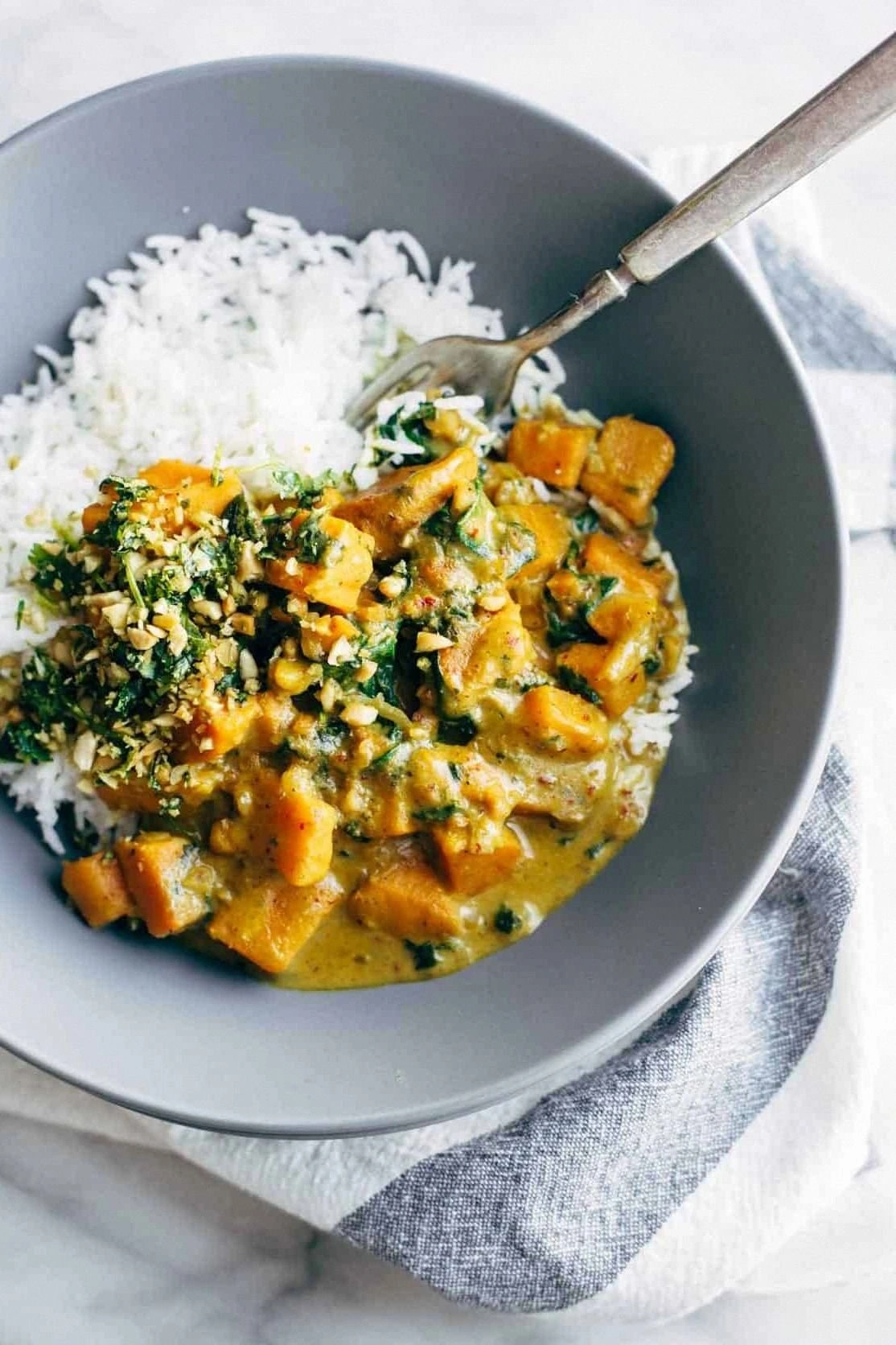
Serve the curry hot over steamed jasmine rice or cauliflower rice for a low‑carb option. Garnish with an extra sprinkle of cilantro and a thin wedge of lime on the side. Picture yourself pulling this out of the pot, the whole kitchen smelling incredible, and the first spoonful melting on your tongue with a perfect balance of sweet, spicy, and creamy. And now the fun part—dig in and enjoy the applause from anyone lucky enough to share the table.
That's it — you did it. But hold on, I've got a few more tricks that'll take this to another level...
Insider Tricks for Flawless Results
The Temperature Rule Nobody Follows
Never, ever pour cold coconut milk straight from the fridge into a hot pan. The sudden temperature shock can cause the fat to separate, leaving you with a grainy texture. Instead, gently warm the coconut milk in a microwave for 30 seconds or let it sit at room temperature for a few minutes before adding it. This simple step guarantees a velvety, cohesive sauce that clings to each vegetable like a lover’s embrace.
Why Your Nose Knows Best
When the curry paste hits the pan and starts to sizzle, your nose will pick up the subtle shift from raw to toasted. If you smell a faint, nutty aroma, the paste is ready to mingle with the liquids. If the scent turns bitter or burnt, you’ve gone too far. Trust that olfactory cue; it’s more reliable than a timer.
The 5‑Minute Rest That Changes Everything
After you finish cooking, let the curry sit uncovered for five minutes. This brief rest allows the flavors to marry, the sauce to thicken slightly, and the heat to distribute evenly. A friend once tried to serve it immediately and complained the sauce was watery—lesson learned: patience is a flavor enhancer.
Layering Sweetness for Balance
Instead of relying on just brown sugar, consider adding a teaspoon of maple syrup or palm sugar. These natural sweeteners bring a deeper, caramel‑like nuance that pairs beautifully with the coconut milk. The key is to add them gradually, tasting as you go, so you never overshoot the sweet‑spicy equilibrium.
Final Touch: Acid Finish
Just before serving, drizzle a few drops of lime juice around the edge of the bowl and stir gently. This technique creates a micro‑burst of acidity that lifts each spoonful, making the dish feel brighter and less heavy. It’s a pro move that even seasoned chefs use to finish soups and stews.
Creative Twists and Variations
This recipe is a playground. Here are some of my favorite ways to switch things up:
Protein Power
Swap the vegetables for bite‑size chicken thigh pieces, tofu cubes, or shrimp. Cook the protein first until browned, set aside, then follow the same curry steps, returning the protein to the pot in the final simmer. Each adds a different texture—chicken gives heartiness, tofu absorbs the sauce, shrimp adds a sweet briny pop.
Green Curry Fusion
Replace half of the red curry paste with green curry paste for a vibrant, herb‑forward flavor. The green version introduces fresh basil and cilantro notes, creating a layered spice profile that’s both familiar and surprising.
Nutty Crunch
Stir in a handful of roasted peanuts or cashews right before serving. The nutty crunch adds an unexpected textural contrast and a subtle earthiness that complements the sweet potatoes beautifully.
Coconut‑Rice Base
Instead of plain jasmine rice, cook the rice with a splash of coconut milk and a pinch of salt. The fragrant, slightly creamy rice becomes a perfect partner, turning the dish into a cohesive, indulgent one‑pot meal.
Spice Level Boost
If you’re a heat junkie, add fresh Thai bird chilies, sliced thin, during the simmer. Their bright, sharp heat cuts through the creaminess, delivering a punch that will make you reach for a glass of cold water—but you’ll love every second of it.
Veggie Overload
Throw in seasonal vegetables like baby corn, carrots, or even pumpkin cubes. Each addition brings its own sweetness and texture, making the curry adaptable to whatever’s fresh at the farmer’s market.
Storing and Bringing It Back to Life
Fridge Storage
Transfer any leftovers to an airtight container and store in the refrigerator for up to four days. The flavors will deepen, and the sweet potatoes hold up well. When reheating, add a splash of coconut milk or broth to revive the silky texture.
Freezer Friendly
This curry freezes beautifully. Portion it into freezer‑safe bags or containers, leaving a little headspace for expansion, and freeze for up to three months. Thaw overnight in the fridge, then reheat gently on the stove, stirring in a tablespoon of water or broth to loosen the sauce.
Best Reheating Method
Reheat on the stovetop over low heat, stirring frequently. Avoid the microwave if you can; it can cause the coconut milk to separate. Add a tiny splash of water before reheating—this creates steam that brings the curry back to its original, luscious consistency.