The next step is where the real magic happens: we’ll roll the dough thin, spread the meat mixture with precision, and bake it until the crust is crisp and the topping is bubbling. Picture yourself pulling this out of the oven, the whole kitchen smelling incredible, and the aroma drifting out the windows, attracting neighbors who can’t resist a taste. The anticipation is almost palpable—your mouth will water just thinking about the first bite. This is the moment of truth, and I’ve got all the secrets to make it flawless. Stay with me here—this is worth it.
I’ve spent countless evenings experimenting with ratios, temperatures, and techniques to craft a recipe that balances authenticity with the comfort of homemade. The result? A dish that feels like a hug in every bite, a celebration of flavor that’s both simple and sophisticated. The dough is light enough to be airy yet sturdy enough to hold the generous topping without tearing. The meat mixture is a harmony of spices that sings with each bite, and the finishing touch of fresh herbs and lemon gives it that bright, zesty finish. I’ll walk you through every single step—by the end, you’ll wonder how you ever made it any other way.
So, grab your apron, preheat your oven, and let’s dive into the world of Easy Lahmacun. Whether you’re a seasoned cook or a kitchen rookie, this recipe is designed to be approachable yet impressive. The journey from raw ingredients to a plate that looks like a masterpiece is simple, and the payoff is a dish that will become a staple at your table. Ready? Let’s get started and turn that kitchen chaos into culinary triumph.
What Makes This Version Stand Out
- Flavor: The blend of paprika, cumin, and Aleppo pepper creates a smoky, slightly sweet profile that elevates the lamb without overpowering it. The subtle heat from black pepper adds depth, while the lemon juice brightens the overall taste. This combination gives the topping a complex, layered flavor that feels both exotic and comforting. I dare you to taste this and not go back for seconds.
- Crispiness: The dough is rolled thin and cooked at a lower temperature, allowing the edges to crisp up to a golden, almost caramelized finish while the center stays tender. The result is a texture that feels like a buttery, airy base with a satisfying crunch. This contrast is something most recipes get completely wrong. The result is a dough that feels like a buttery, elastic promise.
- Simplicity: With only 13 ingredients and a straightforward method, the recipe is beginner‑friendly yet delivers restaurant‑quality results. You’ll spend less time measuring and more time savoring. The process is streamlined, yet each step is crucial to achieving the perfect balance. If you’ve ever struggled with this, you’re not alone—and I’ve got the fix.
- Ingredient Quality: The use of fresh cherry tomatoes and green olives adds brightness and texture that elevate the dish. Choosing a high‑quality ground lamb ensures a juicy, flavorful base that doesn’t dry out during baking. The olive oil is the finishing touch that gives the dough a glossy sheen and a subtle fruity note.
- Make‑ahead Potential: The dough can be prepared a day ahead, letting it rest in the fridge for a richer flavor. The topping can also be assembled in advance and stored, making this dish perfect for busy evenings or weekend gatherings. This flexibility turns a simple recipe into a versatile staple.
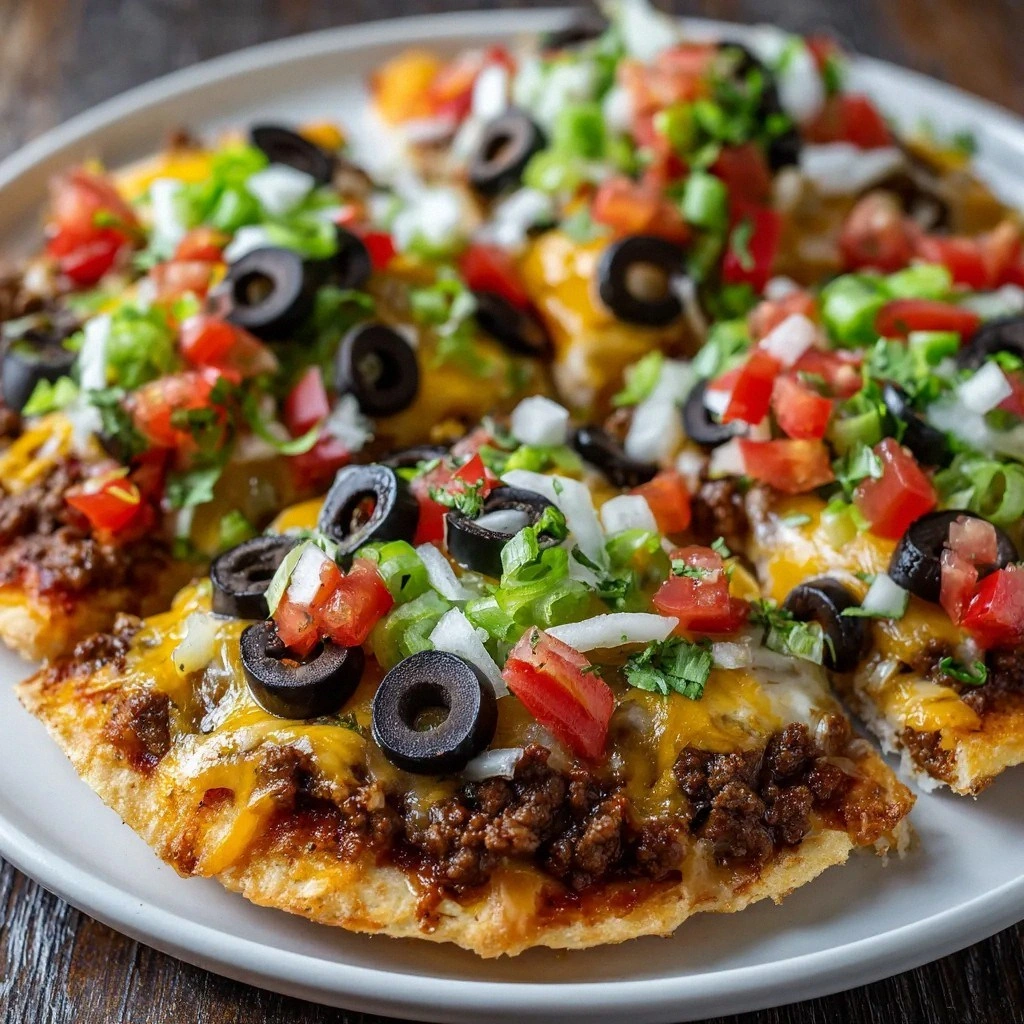
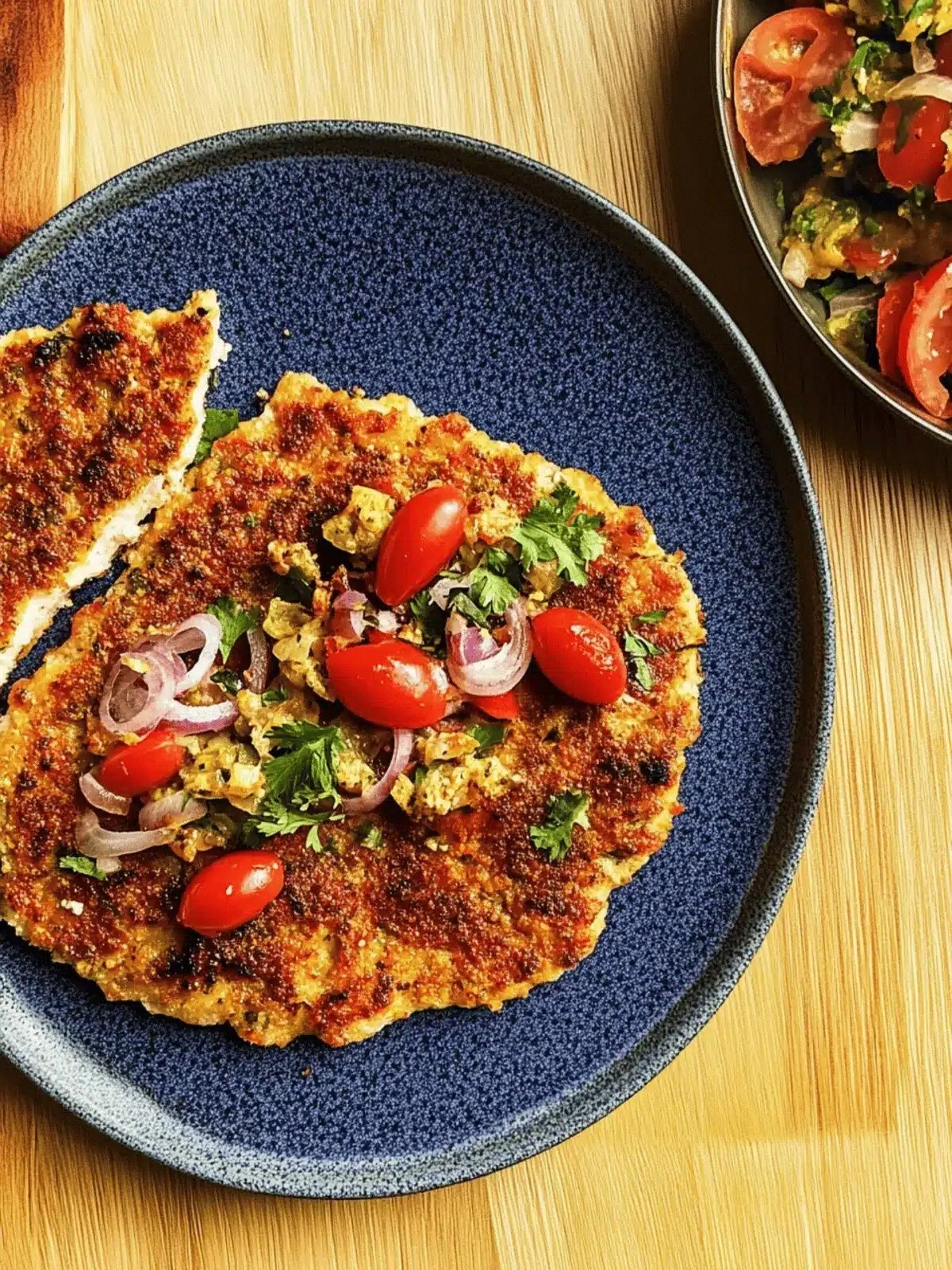
- Visual Appeal: The vibrant reds of the tomatoes, the deep green of the olives, and the golden crust create a plate that looks as good as it tastes. The contrast of colors is a feast for the eyes, making it an instant crowd‑pleaser at any gathering.
Inside the Ingredient List
The Flavor Base
The ground lamb is the heart of this dish, and its quality directly impacts the final taste. I’ve found that a slightly higher fat content (about 15%) gives a richer, more succulent bite. If you can’t find lamb, a blend of beef and pork can be a suitable substitute, but the flavor will shift slightly toward a sweeter profile. The key is to cook the meat until it’s just browned, ensuring it stays juicy inside.
Paprika adds a mellow, sweet smokiness that grounds the spices. A smoked paprika variant will intensify the depth, while a sweet paprika offers a subtler touch. The cumin brings an earthy warmth that complements the lamb’s richness. If you’re looking for a milder flavor, reduce the cumin by half, but keep the paprika for that signature smoky undertone.
Aleppo pepper, with its fruity heat, provides a gentle kick that’s less harsh than cayenne. It’s the secret to that authentic Turkish street‑food flavor without overwhelming the palate. If you can’t find Aleppo pepper, a combination of paprika and a pinch of cayenne works as a close approximation. The pepper’s subtlety is what makes the topping both bold and approachable.
The Texture Crew
The dough’s hydration is critical; 3/4 cups of water gives it the right consistency—neither too dry nor too sticky. If your dough feels dry, add a tablespoon of water at a time until it’s supple. Conversely, if it’s too wet, sprinkle a little more flour. The dough should be elastic enough to stretch thin without tearing.
Olive oil is incorporated into the dough to create a tender crumb and a glossy finish. It also helps the dough rise evenly in the oven. A good extra‑virgin olive oil gives a fruity undertone that complements the lamb. For a lighter version, use a neutral oil, but you’ll lose some of the depth.
The green olives add a briny bite that cuts through the richness of the meat. Sliced thinly, they spread evenly across the topping. If you prefer a milder flavor, reduce the olives by half and add a splash of capers for an extra brine.
The Unexpected Star
Cherry tomatoes bring a burst of sweetness and acidity that balances the savory meat. Their small size allows them to burst and release juices during baking, creating a sauce that coats the dough like velvet. If you’re in a pinch, replace them with diced regular tomatoes, but the bite will be less concentrated.
Fresh onions provide a sharp, aromatic base that caramelizes slightly when cooked. They add a layer of complexity to the topping. If you’re not a fan of raw onion, sauté them until translucent before adding to the meat mixture; this will soften their bite.
Lemon juice adds a bright, citrusy finish that lifts the entire dish. It’s crucial for cutting through the richness. If you’re looking for a sweeter finish, a dash of honey can replace a portion of the lemon, but keep the acidity to preserve balance.
The Final Flourish
The finishing touch of fresh herbs—parsley, dill, or mint—adds a burst of green that contrasts beautifully with the red and golden tones. They also bring a fresh, aromatic layer that elevates the dish. If you’re short on herbs, a sprinkle of fresh oregano works as an alternative.
The small amount of salt in the dough is essential for flavoring the entire dish. Too much salt can overpower the delicate balance, so measure carefully. The same principle applies to the topping; a pinch of salt brings out the meats’ natural sweetness.
Everything’s prepped? Good. Let’s get into the real action.
The Method — Step by Step
- First, combine the flour, salt, and a pinch of baking powder in a large bowl. Stir until the mixture is even. This creates a light base that will help the dough rise slightly during baking. The result is a dough that’s both airy and sturdy.
- In a separate bowl, whisk the water, olive oil, and a splash of lemon juice until well blended. This liquid mixture is the secret to a tender crumb. Pour it into the dry ingredients gradually, stirring until a shaggy dough forms. Let it rest for 10 minutes to hydrate.
- Turn the dough onto a lightly floured surface and knead for about 5 minutes until smooth and elastic. The dough should feel supple, not sticky. If it’s too sticky, sprinkle a little more flour; if it’s too dry, add a teaspoon of water.
- Divide the dough into four equal portions and roll each into a ball. Cover with a damp cloth and let them rest for 30 minutes. Resting relaxes the gluten and makes rolling easier. This step is a game‑changer for achieving a thin, even base.
- While the dough rests, prepare the topping. Heat a large skillet over medium heat and add the ground lamb. Cook until it starts to brown, breaking it apart with a spatula. The key is to get a nice sear; this locks in moisture and flavor.
- Add the chopped onions, cherry tomatoes, olives, paprika, cumin, Aleppo pepper, black pepper, and a pinch of salt to the meat. Stir well and let the mixture simmer for 10 minutes, allowing the flavors to meld. The mixture should thicken slightly, forming a cohesive topping. Watch closely; if it starts to dry, add a splash of water.
- Preheat your oven to 220°C (425°F) and line a baking sheet with parchment paper. Place a pizza stone if you have one; it will help the dough crisp up. A hot surface is essential for that golden finish.
- Roll each dough ball into a thin circle, about 8 inches in diameter. Spread the meat mixture evenly over the dough, leaving a small border. The topping should be thick enough to stay in place but not so heavy that it sinks into the dough.
- Slide the prepared lahmacun onto the parchment and bake for 12–15 minutes. The dough should turn golden, and the topping should bubble and caramelize slightly. Keep an eye on the edges; they’re the first to show the crispness you’re aiming for.
- Remove the lahmacun from the oven and let it cool for a few minutes. Then, sprinkle fresh herbs and a squeeze of lemon juice before slicing. The fresh herbs add a burst of color and brightness, while the lemon juice cuts through the richness. Serve immediately and enjoy the symphony of flavors.
That’s it — you did it. But hold on, I’ve got a few more tricks that will take this to another level. The next section will dive into insider tips that even seasoned chefs swear by. Trust me, these nuances will elevate your homemade lahmacun from good to unforgettable.
Insider Tricks for Flawless Results
The Temperature Rule Nobody Follows
Many cooks bake at 200°C, but this recipe thrives at 220°C. The higher temperature ensures the dough crisps up quickly while keeping the topping moist. I’ve found that preheating the oven for at least 30 minutes, especially if you’re using a pizza stone, guarantees a consistent bake. If you’re in a hurry, a 200°C bake works, but the texture will be slightly softer.
Why Your Nose Knows Best
The aroma of the meat mixture is the first indicator that the flavors are developing correctly. As the lamb cooks, you’ll notice a rich, savory scent that signals the spices are releasing their oils. If the smell is faint, give it a few more minutes; the right aroma is the secret to a delicious topping.
The 5-Minute Rest That Changes Everything
After baking, let the lahmacun rest for 5 minutes before slicing. This rest period allows the juices to redistribute, preventing the topping from sliding off. It also gives the crust a chance to set, making each bite more satisfying. A quick rest is a small step that yields a big payoff.
Use a Pizza Stone for Crunch
If you have a pizza stone, place it in the oven during preheating. The stone retains heat better than a baking sheet, producing a crisper bottom. Even a cast‑iron skillet can work; just preheat it on the stove for a few minutes before transferring the dough.
Keep the Topping Moist
The meat mixture should be moist but not watery. If it seems too dry, add a tablespoon of water or a splash of broth. The moisture keeps the topping from drying out during the bake and ensures a juicy bite.
Creative Twists and Variations
This recipe is a playground. Here are some of my favorite ways to switch things up:
Veggie‑Rich Lahmacun
Swap the lamb for a mixture of finely chopped mushrooms, zucchini, and bell pepper. Add a tablespoon of soy sauce for umami depth. The result is a hearty, plant‑based version that still delivers that signature tang.
Spicy Sriracha Lahmacun
Replace Aleppo pepper with a splash of sriracha and add a pinch of cayenne. The topping will have a fiery kick that pairs well with a cool yogurt dip. This version is perfect for heat lovers.
Cheesy Lahmacun
Sprinkle shredded mozzarella or feta over the topping before baking. The cheese melts into the meat, creating a gooey, decadent layer. It’s a crowd‑pleaser for parties and family gatherings.
Greek‑Inspired Lahmacun
Use ground beef instead of lamb, add a handful of chopped spinach, and finish with a drizzle of tzatziki. The result is a fusion dish that marries Turkish and Greek flavors for a unique twist.
Breakfast Lahmacun
Serve the lahmacun with a side of scrambled eggs and a sprinkle of fresh herbs. It’s a protein‑rich breakfast that feels indulgent yet comforting. The combination of flavors will start your day on a high note.
Storing and Bringing It Back to Life
Fridge Storage
Cool the baked lahmacun completely, then wrap tightly in plastic wrap and store in the refrigerator for up to 3 days. The dough will stay crisp, and the topping will retain its juiciness. When ready to serve, reheat in a preheated oven at 180°C for 10 minutes.
Freezer Friendly
For longer storage, place each lahmacun on parchment, freeze, then transfer to a freezer bag. They can last up to 3 months. To reheat, thaw overnight and bake at 200°C for 12 minutes.
Best Reheating Method
The key to a great reheated lahmacun is adding a splash of water to the bottom of the baking sheet before baking. The steam keeps the topping moist and prevents the crust from drying out. This trick brings the dish back to its original glory.