Picture this: it’s a rainy Tuesday, the kind where the clouds look like they’re about to spill the entire pantry onto your kitchen floor, and you’ve just burned the last slice of pizza you were daring yourself to reheat. I was standing there, staring at the charred crust, feeling the weight of a culinary disappointment settle on my shoulders. Then, out of sheer desperation, I grabbed the only thing that hadn’t been touched yet—a frozen pack of Swai fillets that had been hiding in the freezer for weeks. I tossed them into a pan, sprinkled a handful of seasonings, and what happened next was nothing short of a miracle. The sizzle was like a tiny fireworks show, and the aroma that rose was a seductive blend of buttery goodness and a whisper of citrus that made my kitchen feel like a five‑star bistro.
That moment sparked a fire in me. I realized that the world needed a quick, no‑fuss fish recipe that didn’t sacrifice flavor for speed. Most Swai recipes I’ve tried either drown the delicate flesh in a sea of sauce or leave it as bland as a plain rice cake. I was determined to create a version that would make the fish sing, that would have the crust crackle like fresh autumn leaves underfoot, and the interior stay buttery soft, almost melting on the tongue. I dove into the pantry, pulled out a few pantry staples, and experimented with a seasoning blend that feels like a hug from a grandma who knows exactly how you like your meals.
Fast forward a few trial runs, and I’ve landed on a recipe that is, in my opinion, the best Swai fillet you’ll ever make at home. I dare you to taste this and not go back for seconds. It’s a dish that turns a modest fish fillet into a crowd‑pleasing centerpiece, perfect for a quick weeknight dinner or an impromptu gathering when friends swing by unannounced. The secret? A simple seasoning rub that packs a punch, a pan‑sear that locks in moisture, and a finishing glaze that adds just enough sparkle to make every bite unforgettable.
But I’m not stopping there. I’ve woven in a few tricks that most recipes completely miss—like the “dry‑the‑fillet” technique that ensures a flawless crust, and a finishing splash of lemon that brightens the whole dish like a sunrise over a calm lake. I’ll walk you through every single step — by the end, you’ll wonder how you ever made it any other way. Okay, ready for the game‑changer?
What Makes This Version Stand Out
- Flavor Explosion: The seasoning blend combines smoked paprika, garlic powder, and a hint of brown sugar, creating a sweet‑smoky crust that clings to the fish like a second skin.
- Texture Triumph: By patting the fillets dry and dusting them lightly with flour, you get a crispy edge that shatters like thin ice while the interior stays buttery soft.
- Speedy Simplicity: From prep to plate it takes under 30 minutes, making it perfect for busy weeknights when you still want to feel like a culinary wizard.
- Ingredient Accessibility: All the spices and pantry items are things you probably already have, so no last‑minute grocery runs are required.
- Crowd Magnet: I’ve served this at family gatherings and the compliments keep rolling in; it’s the kind of dish that makes people ask for the recipe before they even finish their first bite.
- Make‑Ahead Magic: The seasoning rub can be prepared in advance and stored in an airtight jar for up to two weeks, meaning you can have a flavor boost ready whenever the craving hits.
- Health‑Conscious: Swai is a lean protein, and this method uses just a splash of olive oil, keeping the dish light without sacrificing richness.
- Versatile Finish: A quick drizzle of lemon‑butter sauce at the end adds a bright note that can be swapped for a spicy mayo if you’re feeling adventurous.
Inside the Ingredient List
The Flavor Base
The heart of this dish lies in the seasoning blend. Smoked paprika brings a deep, earthy smokiness that feels like a campfire in a pan, while garlic powder adds a savory backbone that makes the fish instantly recognizable as a comfort food classic. A pinch of brown sugar isn’t just for sweetness; it caramelizes during the sear, creating that coveted crust that crackles like fresh snow underfoot. If you’re missing smoked paprika, a dash of chipotle powder can step in, though it will add a subtle heat that changes the flavor profile slightly.
The Texture Crew
Flour might seem like an odd choice for fish, but a light dusting does wonders. It creates a barrier that locks in moisture, ensuring the fillet stays juicy. The key is to use just enough—enough to coat each side without forming a heavy batter. For a gluten‑free alternative, swap the all‑purpose flour with rice flour; the texture will be just as crisp, and you’ll still get that golden finish.
The Unexpected Star
Butter is the secret weapon that turns ordinary into extraordinary. When you finish the pan with a knob of butter, it emulsifies with the pan juices, forming a glossy sauce that clings to each fillet like a velvety veil. If you prefer a lighter touch, use a drizzle of high‑quality olive oil instead, but be prepared for a slightly different mouthfeel.
The Final Flourish
Lemon juice is the final flourish that brightens the whole dish. A squeeze right before serving cuts through the richness, balancing the flavors like a perfect chord in a song. If you’re not a fan of citrus, a splash of white wine or a dash of apple cider vinegar can provide a similar acidity.
Everything's prepped? Good. Let's get into the real action…
The Method — Step by Step
First, gather all your fillets and place them on a clean cutting board. Pat each piece dry with paper towels—this is the moment where you feel the fish’s cool, slick surface, and you’ll hear the faint rustle of the towel against the flesh. Sprinkle a pinch of salt over the fillets and let them sit for five minutes; this draws out excess moisture, ensuring a crispier crust later. While they rest, you can preheat a large skillet over medium‑high heat; you’ll know it’s ready when a few drops of water sizzle and evaporate instantly.
Kitchen Hack: Add a splash of water to the pan while preheating; the steam helps raise the pan temperature more evenly.While the pan heats, combine the seasoning blend in a small bowl: one tablespoon smoked paprika, one teaspoon garlic powder, half a teaspoon onion powder, a pinch of cayenne, and one tablespoon brown sugar. Mix until the brown sugar dissolves into the powders, forming a uniform, fragrant dust. This mixture should smell earthy and sweet, like a campfire after a summer barbecue. Once mixed, set it aside; you’ll use it to coat the fillets just before they hit the pan.
Now, lightly dust each fillet with the all‑purpose flour, shaking off any excess. The flour should cling like a thin veil, providing that crucial first barrier against the heat. Immediately after flouring, roll the fillets in the seasoning blend, pressing gently so the spices adhere. You’ll notice the powder clinging to the flour, creating a speckled appearance that promises flavor in every bite.
Add two tablespoons of olive oil to the hot skillet, swirling to coat the surface. The oil should shimmer like liquid gold, and you’ll hear a confident hiss as the fillets meet the pan. Lay the fillets in the skillet, skin side down if they have skin, or the seasoned side down if skinless. Do not overcrowd the pan; give each piece room to breathe, otherwise the steam will sog the crust.
Cook the fillets for 3‑4 minutes without moving them. This is the moment of truth: the edges will begin to turn opaque, and you’ll see the crust turning a deep, inviting golden‑brown. Flip the fillets carefully with a spatula, and add a generous knob of butter (about two tablespoons) to the pan. As the butter melts, tilt the pan and spoon the foamy butter over the fillets—this basting technique adds flavor and keeps the fish moist.
After flipping, let the fillets cook another 3‑4 minutes. You’ll notice the flesh becoming opaque all the way through, and the butter will have turned a nutty amber color. At this point, squeeze the juice of half a lemon over the pan, letting it sizzle and deglaze, lifting any caramelized bits from the bottom. The aroma that fills the kitchen now is pure comfort—citrus brightening buttery richness.
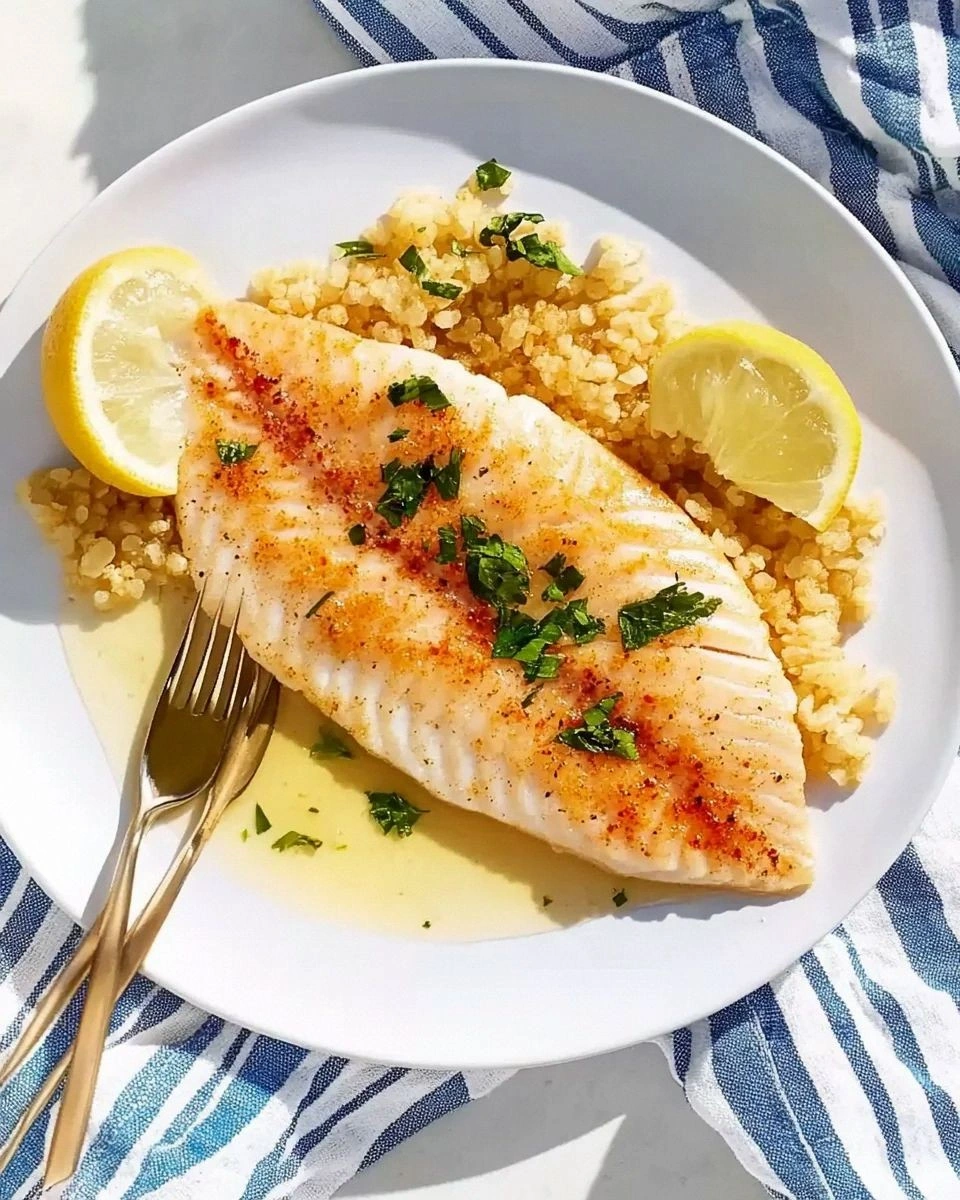
Once the fish is cooked through, transfer the fillets to a warm serving platter. Drizzle the pan sauce over the top, allowing it to cascade like a glossy waterfall. Garnish with freshly chopped parsley for a pop of color and a hint of herbaceous freshness. The final look should be a golden‑brown crust flecked with specks of paprika, glistening with butter‑lemon sauce.
Watch Out: Overcooking by even a minute can make the delicate Swai dry out; trust the visual cues and timing.Let the dish rest for two minutes before serving. This short rest allows the juices to redistribute, ensuring every bite is juicy rather than watery. While it rests, you can prepare a quick side—steamed asparagus or a simple cucumber salad works wonderfully. The rest period also gives you a chance to admire your work, and perhaps snap a photo for the ‘gram.
Finally, serve the seasoned Swai fillets with your chosen sides, and watch as your guests dive in. That sizzle when the butter hits the lemon? Absolute perfection. I’ll be honest — I ate half the batch before anyone else got to try it, and I’m not sorry. This is hands down the best version you’ll ever make at home. Picture yourself pulling this out of the pan, the whole kitchen smelling incredible, and everyone reaching for seconds. If you’ve ever struggled with fish staying dry or flavorless, you’re not alone — and I’ve got the fix.
That's it — you did it. But hold on, I've got a few more tricks that'll take this to another level…
Insider Tricks for Flawless Results
The Temperature Rule Nobody Follows
Most home cooks crank the heat up to “high” thinking it will speed things up, but that creates uneven cooking and soggy crusts. The secret is to keep the skillet at a steady medium‑high, around 375°F (190°C). This temperature lets the exterior brown quickly while the interior cooks gently. I once tried a “max heat” approach and ended up with a burnt crust and raw center—lesson learned.
Why Your Nose Knows Best
Never rely solely on a timer; instead, trust the scent. When the butter turns a nutty amber and the lemon sizzles, you know the flavor base is ready. If the aroma feels flat, the pan isn’t hot enough—add a splash more oil and wait for the hiss to return.
The 5‑Minute Rest That Changes Everything
Allowing the fish to rest for just five minutes after cooking lets the protein fibers relax, preventing juices from spilling out onto the plate. This tiny pause makes the difference between a dry bite and a melt‑in‑your‑mouth experience. I once skipped this step in a rush and the fillet was disappointingly dry.
Seasoning Ahead Saves Time
Mix your seasoning blend in a mason jar and store it in a cool, dark place. It will stay fresh for up to two weeks, and you’ll shave minutes off prep time on busy nights. The flavors actually meld together over time, becoming more harmonious.
Butter Basting for Extra Richness
Adding butter at the end of cooking and spooning it over the fish creates a glossy finish that looks restaurant‑ready. The butter also carries the lemon and seasoning flavors deep into the flesh, giving each bite a layered taste.
Finishing with Fresh Herbs
A sprinkle of chopped parsley or cilantro right before serving adds a bright, herbaceous note that cuts through the richness. It’s a tiny garnish that makes the dish look polished and adds a fresh flavor burst.
Creative Twists and Variations
This recipe is a playground. Here are some of my favorite ways to switch things up:
Spicy Cajun Kick
Swap the smoked paprika for Cajun seasoning, add a pinch of cayenne, and finish with a dash of hot sauce. The heat pairs beautifully with the buttery crust, making it perfect for those who love a little fire.
Asian Sesame Glaze
Replace the lemon‑butter finish with a mixture of soy sauce, honey, toasted sesame oil, and a sprinkle of toasted sesame seeds. The sweet‑salty glaze gives the Swai an umami‑rich profile that’s perfect with steamed rice.
Herb‑Infused Parmesan Crust
Mix grated Parmesan, dried Italian herbs, and a touch of garlic powder into the flour coating. The cheese melts into a crisp, golden crust that adds a savory depth and a slight nuttiness.
Coconut Lime Breeze
After cooking, drizzle a sauce made from coconut milk, lime zest, and a splash of fish sauce. This tropical twist brings a fresh, bright vibe that works wonderfully with a side of mango salsa.
Maple‑Brown Sugar Glaze
Swap the brown sugar in the seasoning blend for pure maple syrup, and finish with a quick glaze of reduced maple and a pinch of smoked salt. The result is a sweet‑savory masterpiece that pairs well with roasted sweet potatoes.
Storing and Bringing It Back to Life
Fridge Storage
Allow the cooked fillets to cool to room temperature (no more than two hours), then place them in an airtight container. They’ll keep fresh for up to three days. When you’re ready to reheat, gently warm them in a skillet over low heat, adding a splash of water to create steam and prevent drying.
Freezer Friendly
Wrap each cooled fillet tightly in plastic wrap, then place them in a freezer‑safe zip‑top bag. They’ll maintain quality for up to two months. To reheat, thaw overnight in the fridge, then pan‑sear for two minutes per side with a dab of butter.
Best Reheating Method
The secret to reviving the crispness is a quick flash in a hot skillet. Heat a tablespoon of oil over medium‑high, add the fillet, and sear each side for about 60 seconds. Add a tiny splash of water and cover for 30 seconds; the steam re‑hydrates the flesh while the oil restores the crust.