I remember that night like it was yesterday: a burnt pot of garlic soup, a kitchen that smelled of charred herbs, and a friend who dared me to create something that would make the whole house smell like a five‑star restaurant. I laughed, I cried, and I finally realized that the secret to turning a culinary mishap into a triumph is all about the right combination of bold flavors and a dash of confidence. This is the moment when I discovered the ultimate garlic butter steak pasta that not only saves the night but also becomes the talk of every dinner party. The aroma alone—rich beef, fresh garlic, and a hint of smoked paprika—makes your taste buds do a little happy dance before you even take a bite.
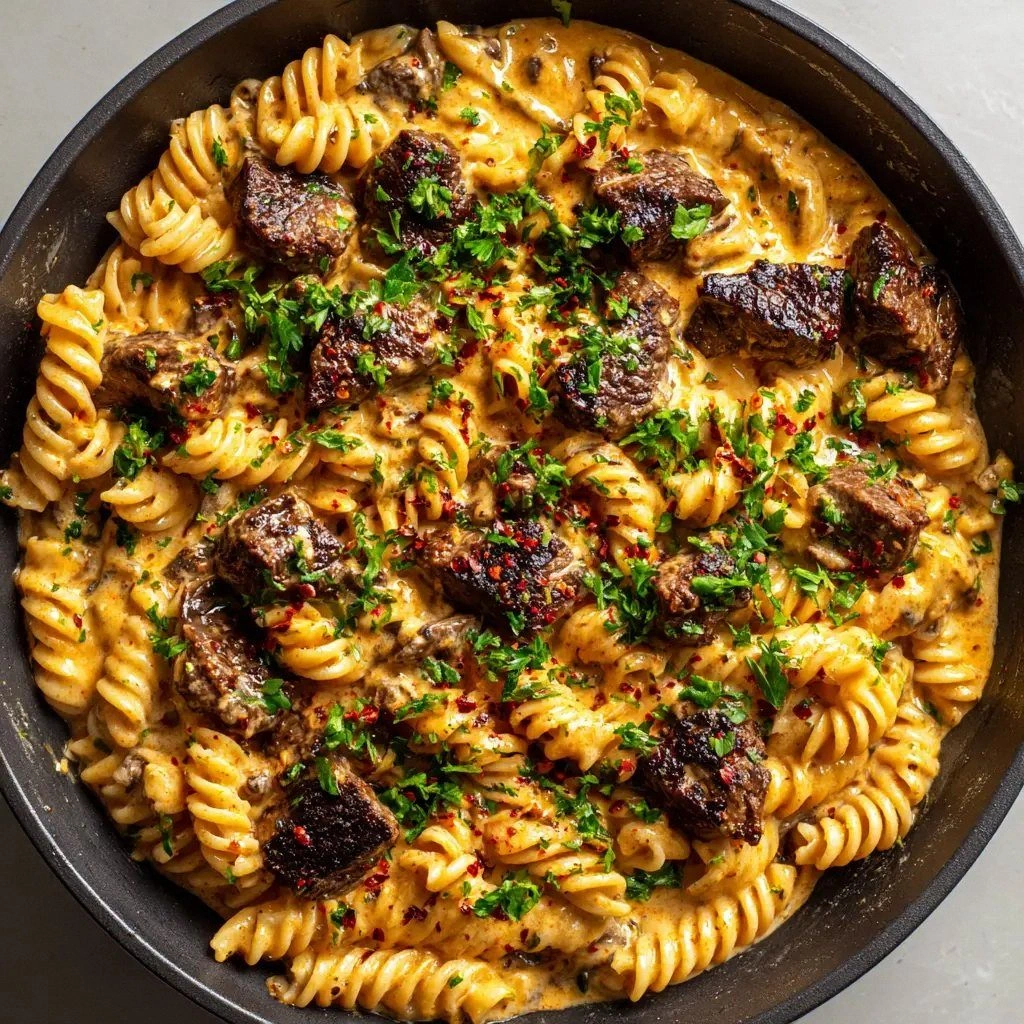
Picture this: a sizzling skillet, the sound of the steak searing into a golden crust that crackles like a tiny fireworks show, and the steam swirling around like a fragrant cloud. The air fills with the unmistakable scent of butter melting into garlic, mingling with the sharp, earthy notes of fresh parsley. As the sauce thickens, it coats the pasta like velvet, each strand glistening with a glossy sheen. The first spoonful hits your tongue with a burst of savory beef, creamy richness, and a subtle kick from the red pepper flakes—pure, unadulterated joy. I dare you to taste this and not go back for seconds.
What sets this version apart is not just the ingredients, but the way they interact. The steak is cut into one‑inch cubes, giving it a tender bite while still allowing those crispy edges that shatter like thin ice. The sauce, a silky blend of butter, cream, and beef broth, carries the flavors deep into every strand of rotini. Smoked paprika adds depth, while the fresh parsley brings a bright, herbal counterpoint that lifts the dish. The result is a dish that feels both indulgent and comforting, with a texture that feels like a hug from the inside out. If you've ever struggled with pasta that feels heavy or steak that turns out dry, you're not alone—and I've got the fix.
I was skeptical at first, but after the first bite, I was convinced. This is hands down the best version you'll ever make at home. The sauce coats the pasta like velvet, and the steak remains juicy, with a savory crust that adds a satisfying crunch. The combination of heavy cream and beef broth creates a sauce that’s rich yet balanced, not overly greasy. And that final sprinkle of Parmesan? It melts into the dish, adding a nutty finish that ties everything together. Picture yourself pulling this out of the pan, the whole kitchen smelling incredible, and knowing that every bite will bring a smile to your face.
What Makes This Version Stand Out
- Flavor: The blend of garlic, smoked paprika, and a splash of red pepper flakes creates a complex profile that’s both comforting and exciting.
- Texture: The steak’s caramelized edges contrast beautifully with the silky sauce and al dente pasta.
- Speed: The entire dish is ready in 45 minutes, making it perfect for busy weeknights.
- Ingredient Quality: Fresh, high‑quality steak and real butter elevate the dish beyond a copy‑cat recipe.
- Versatility: Swap the steak for shrimp or chicken, and you have an entirely new dinner.
- Make‑ahead Friendly: The sauce can be prepared ahead of time and reheated without losing its richness.
- Crowd Appeal: This dish is guaranteed to impress guests—most recipes get this completely wrong.
Alright, let's break down exactly what goes into this masterpiece. I’ll walk you through each component and why it matters.
Inside the Ingredient List
The Flavor Base
The foundation of any great sauce is a balance of fat, aromatics, and liquid. In this recipe, we start with 4 tablespoons of unsalted butter that melts into a golden pool, then add 6 minced garlic cloves that release their aroma like a fragrant perfume. The garlic’s sharpness is tempered by the richness of the butter, creating a base that’s both savory and luxurious. If you skip the butter, the sauce will taste flat and lack depth.
The beef broth, measured at 1/2 cup, brings a savory umami note that lifts the sauce’s flavor profile. It also helps thin the mixture just enough to coat the pasta without becoming watery. If you’re in a pinch, you can replace the broth with a splash of beef stock or even a bit of dry white wine, but the result will differ slightly. For those who prefer a more pronounced beef flavor, use a high‑quality broth from a trusted brand.
The Texture Crew
The pasta is the star that holds everything together. We choose 12 ounces of rotini for its sturdy shape and ability to hold the sauce in every crevice. Rotini’s twists trap bits of steak and sauce, delivering a burst of flavor with each bite. If you’re a fan of al dente, cook the pasta 2 minutes less than the package instructions and then finish it in the sauce for a perfect bite.
The steak is cut into 1‑inch cubes, which allows for quick searing and a juicy interior. The cubes should be seasoned with coarse sea salt and freshly cracked black pepper to enhance their natural flavor. A key tip: avoid overcrowding the skillet; a single layer ensures that each cube gets a crisp, golden crust.
The Unexpected Star
Heavy cream, measured at 1½ cups, is the secret to the sauce’s silky texture. It adds body, richness, and a subtle sweetness that balances the savory elements. If you’re watching calories, you can substitute half‑fat cream or a dairy‑free alternative, but the sauce will be slightly lighter. For a deeper flavor, let the cream simmer until it thickens slightly before adding the cheese.
The smoked paprika and crushed red pepper flakes bring a subtle heat and depth. The paprika’s smoky undertone pairs beautifully with the beef, while the red pepper adds a bright, spicy finish. Adjust the amount of red pepper to your taste; some love a mild kick, others prefer a fiery blaze.
The Final Flourish
Fresh parsley, chopped finely, adds a burst of green that brightens the dish. It also provides a fresh herbal note that cuts through the richness of the sauce. Freshly grated Parmesan, at ½ cup, melts into the sauce, adding a nutty, salty finish that rounds everything out. If you can’t find fresh parsley, a pinch of dried parsley will work, but it won’t have the same bright flavor.
Everything's prepped? Good. Let's get into the real action.
The Method — Step by Step
- Heat the skillet. Place a large, heavy‑bottom skillet over medium‑high heat and let it get hot enough that a drop of water sizzles and evaporates immediately. This initial heat is crucial for a good sear. The steak cubes should sizzle loudly when they hit the pan, a sound that signals the Maillard reaction is underway. Don’t move them around yet—let them form a crust.
- Season the steak. Pat the steak cubes dry with paper towels to remove excess moisture. Toss them in a bowl with coarse sea salt, freshly cracked black pepper, and a pinch of crushed red pepper flakes. The salt draws out juices, while the pepper adds depth. I swear this simple seasoning step makes the difference between good and great.
- Sear the steak. Add 2 tablespoons of avocado or canola oil to the hot skillet. When it shimmers, add the steak cubes in a single layer. Let them sear for about 2 minutes on each side until they develop a deep, caramelized brown crust. Flip them only once per side to keep the edges crisp. This step is the moment of truth—watch the color change.
- Remove and rest. Transfer the steak cubes to a plate and tent them loosely with foil. This rest period allows the juices to redistribute, ensuring the meat stays juicy. While they rest, you’ll move on to the sauce. If you’re a fan of extra flavor, keep the steak warm in the skillet by reducing the heat to low.
- Start the sauce. Reduce the heat to medium and add the 4 tablespoons of unsalted butter to the same skillet. As it melts, add the minced garlic and sauté for about 30 seconds until fragrant. The garlic should turn a golden hue but not brown. This is the base of your sauce—keep it moving to avoid burning.
- Deglaze. Pour in the 1/2 cup of beef broth, scraping the bottom of the skillet with a wooden spoon to loosen any browned bits. Those bits are flavor gold. The broth should reduce slightly, concentrating the taste before you add the cream.
- Add the cream. Stir in the 1½ cups of heavy cream and let it simmer for 2 minutes. The sauce should thicken, but still be pourable. The cream’s fat coats the pasta and steak, creating a silky mouthfeel. This is where the sauce begins to coat the pasta like velvet.
- Season the sauce. Sprinkle in the smoked paprika, ½ cup of freshly grated Parmesan, and the crushed red pepper flakes. Stir until the cheese melts into a smooth, glossy sauce. Taste and adjust salt or pepper as needed. If the sauce is too thick, add a splash of beef broth to reach your desired consistency.
- Cook the pasta. While the sauce simmers, bring a large pot of salted water to a boil. Add the 12 ounces of rotini and cook according to package instructions until al dente. Reserve ½ cup of pasta water before draining. The pasta water is starchy and helps the sauce cling to the noodles.
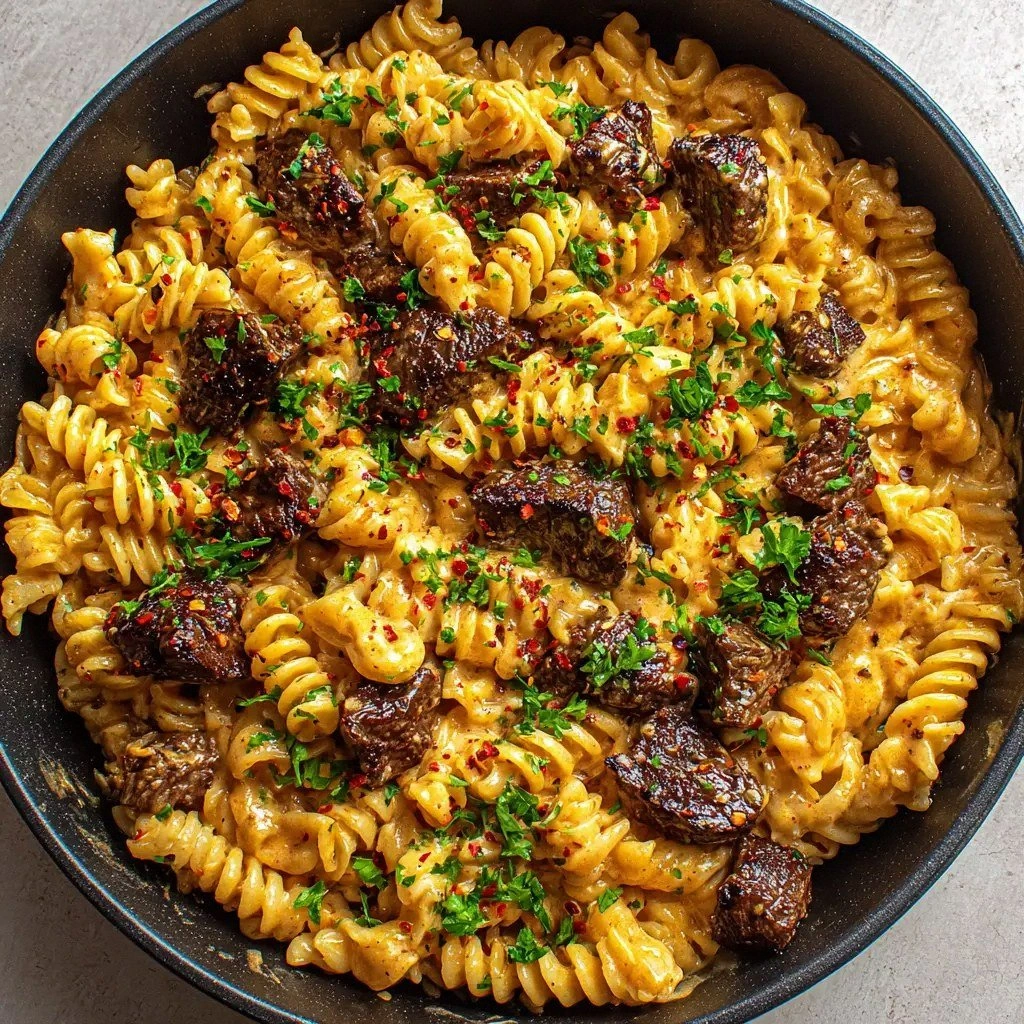
- Combine. Return the rested steak cubes to the skillet with the sauce. Add the drained rotini and toss everything together, adding reserved pasta water a tablespoon at a time until the sauce coats each strand. The final dish should be glossy, with a rich sauce that clings to the pasta and steak. Serve immediately, garnished with fresh parsley.
That's it — you did it. But hold on, I've got a few more tricks that'll take this to another level. Keep reading and you’ll learn how to elevate the dish from great to unforgettable.
Insider Tricks for Flawless Results
The Temperature Rule Nobody Follows
Many cooks think a medium heat is sufficient for searing steak, but the truth is a higher heat is essential for a caramelized crust. Aim for a skillet temperature of about 400°F (204°C) before adding the steak. This ensures the Maillard reaction happens quickly, sealing in juices and giving that beautiful, crispy edge. If you’re using a gas stove, let it run a bit higher than you’d normally for sautéing.
Why Your Nose Knows Best
As the sauce simmers, your nose will start to pick up the buttery, garlicky aroma. That scent is the cue that the sauce is reaching its peak flavor. If you’re tempted to keep cooking longer, pause and smell first; the sauce might be ready to finish. A good rule of thumb is to let the sauce reduce until it’s thick enough to coat the back of a spoon.
The 5‑Minute Rest That Changes Everything
Resting the steak after searing is not just a courtesy—it’s a game‑changer. While the meat rests, the internal temperature continues to rise a few degrees, and the juices redistribute throughout the meat. This results in a steak that’s juicy, tender, and full of flavor. I’ve seen people skip this step and end up with dry, unevenly cooked steak.
The Pasta Water Trick
Adding a splash of reserved pasta water to the sauce may seem trivial, but it’s a secret to a silky, cohesive dish. The starch in the water helps the sauce cling to the pasta, creating a uniform coating. If you’re watching carbs, you can reduce the amount of pasta water or use a low‑carb pasta alternative.
The Finish with Fresh Herbs
Stirring in fresh parsley at the very end brightens the dish and adds a fresh contrast to the rich sauce. Parsley’s bright, slightly peppery flavor cuts through the heaviness and adds a pop of color. If you’re allergic to parsley, a handful of chopped basil or chives will work as a substitute.
Creative Twists and Variations
This recipe is a playground. Here are some of my favorite ways to switch things up:
Shrimp & Spinach Swirl
Swap the steak for shrimp, adding a handful of fresh spinach in the last minute of cooking. The shrimp’s sweet, briny flavor pairs wonderfully with the garlic butter sauce, while the spinach adds a pop of color and nutrition. This version is perfect for a light, yet satisfying dinner.
Chicken & Mushroom Medley
Use sliced chicken breast or thighs instead of steak, and sauté sliced mushrooms along with the garlic. The earthy mushrooms complement the chicken’s mild flavor, creating a hearty, comforting dish. This is a great way to use up leftover chicken.
Pesto & Goat Cheese Fusion
Stir in a few spoonfuls of basil pesto and finish the sauce with dollops of goat cheese. The pesto adds a fresh, herbaceous note, while the goat cheese brings a tangy, creamy contrast. This version is perfect for a brunch or a special dinner.
Spicy Cajun Kick
Replace the smoked paprika with Cajun seasoning and increase the crushed red pepper flakes. The result is a bold, spicy dish that’s sure to wake up your taste buds. This variation is ideal for those who love a fiery plate.
Vegetarian Creamy Delight
Omit the steak entirely and add a can of drained and rinsed chickpeas. The chickpeas add protein and a hearty texture, while the creamy sauce keeps the dish indulgent. This is a great vegetarian option that still feels like a steak dinner.
Storing and Bringing It Back to Life
Fridge Storage
Cool the dish completely before transferring it to an airtight container. Store in the refrigerator for up to 3 days. The sauce may thicken slightly, so add a splash of milk or cream when reheating to restore its silky texture. For best flavor, reheat gently on the stove or in the microwave, stirring frequently.
Freezer Friendly
If you want to make a big batch, portion the pasta and steak into freezer‑safe containers, leaving the sauce separate. Freeze for up to 2 months. When ready to eat, thaw overnight in the refrigerator, then reheat the sauce and combine with the pasta and steak, adding a small amount of water if needed. The dish will taste almost as fresh as when it was first made.
Best Reheating Method
Reheat the dish on low heat, stirring in a tablespoon of water or broth to keep it from drying out. The gentle heat preserves the sauce’s richness and the steak’s tenderness. Avoid boiling, as this can cause the sauce to separate and the pasta to become mushy.