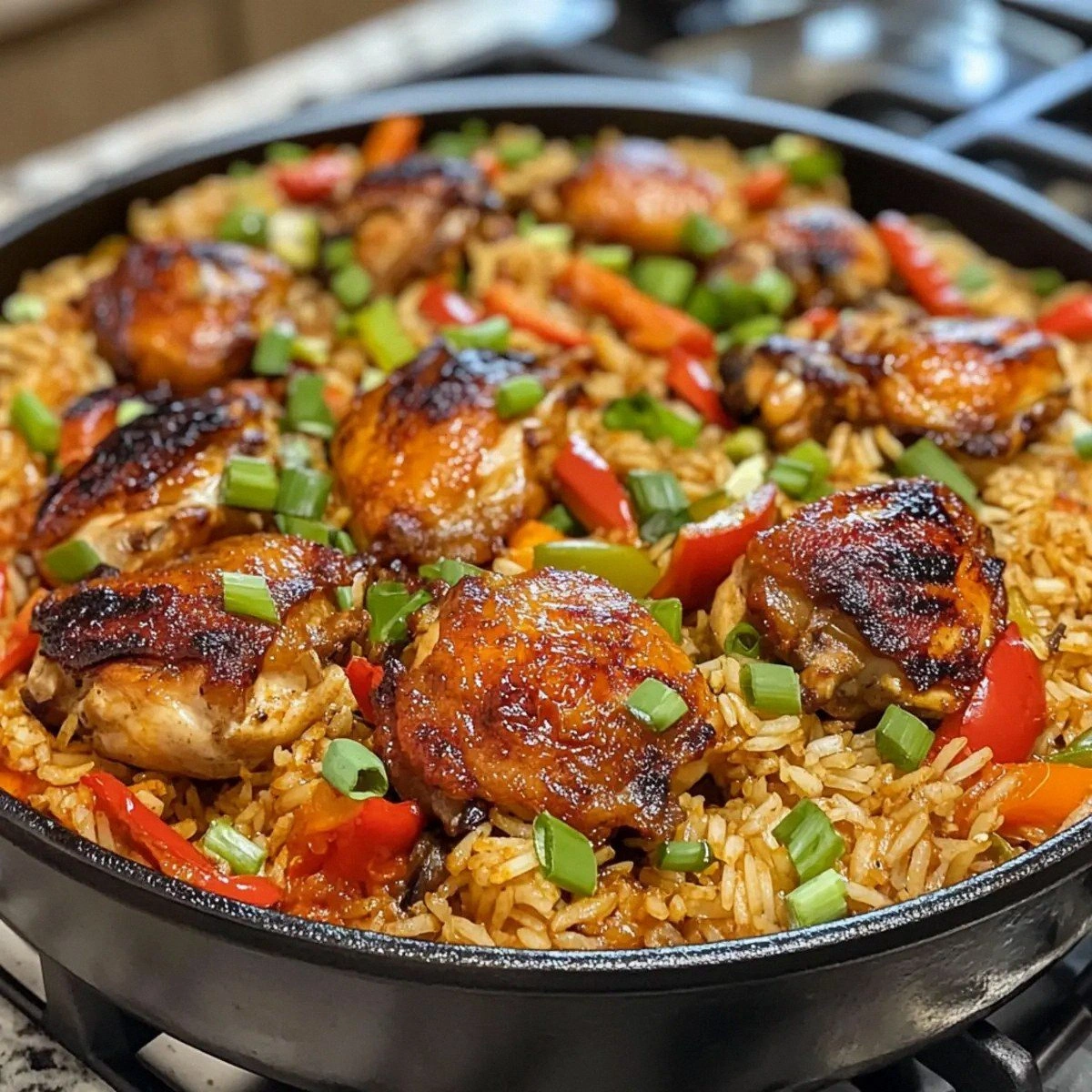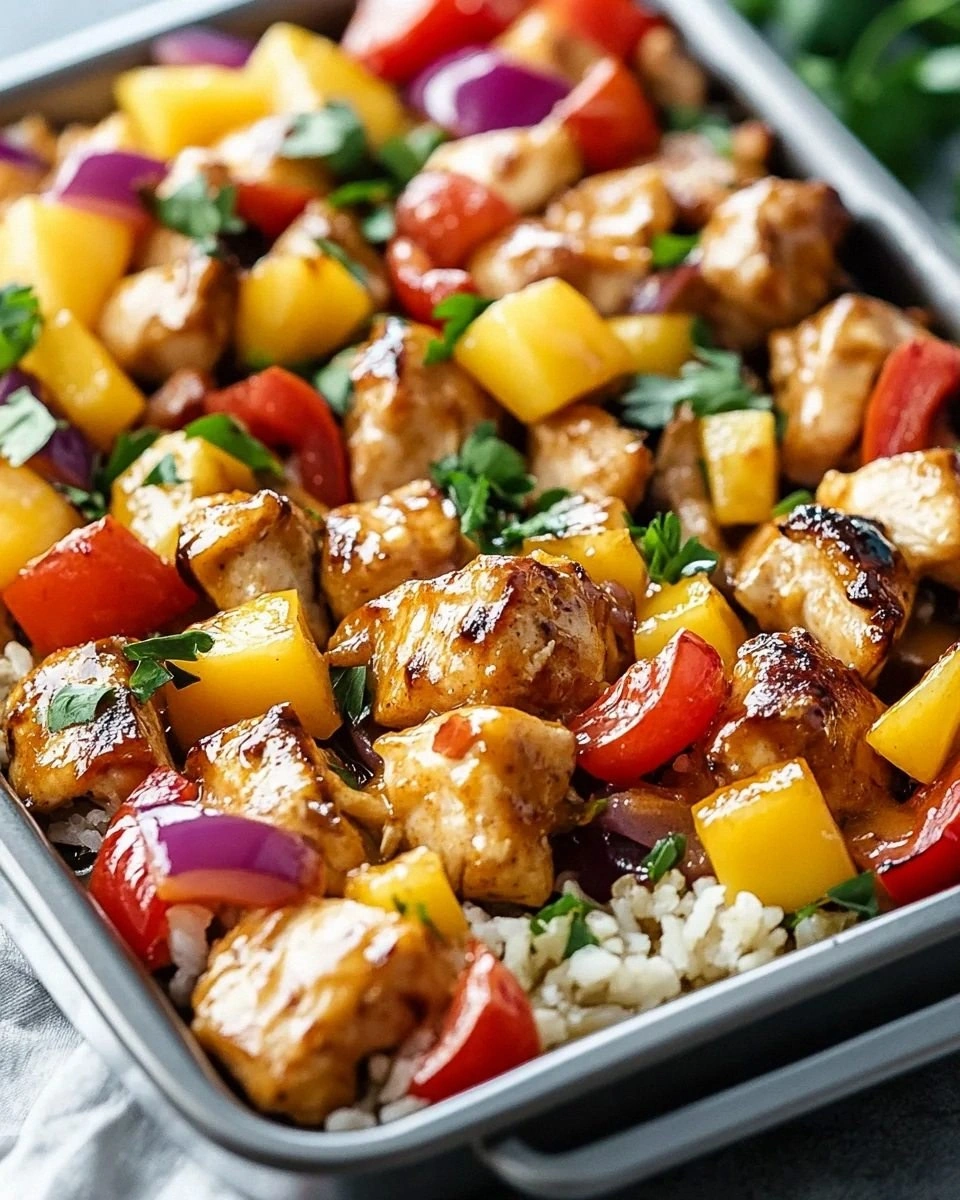
I was standing in my kitchen, the oven humming like a lazy cat, when a sudden craving for something that tasted like a tropical vacation slammed into me. I had a half‑finished batch of pineapple chunks, a bag of chicken thighs, and a stubborn feeling that my usual weeknight routine was about to get a serious upgrade. I tossed a daring question at my roommate: “Can you handle a sheet‑pan dinner that makes you feel like you’re on a beach in Honolulu?” She laughed, but I could see the curiosity flicker in her eyes – the kind that says, “I’m ready for a food adventure.”
Fast forward a half hour, and the kitchen was a symphony of sizzling, the air thick with a sweet‑savory perfume that made my stomach do a little happy dance. The chicken was caramelizing, the pineapple pieces were bubbling like tiny fireworks, and the vegetables were turning a gorgeous golden‑brown, their edges crisping just enough to whisper “perfect” with every bite. I could hear the faint crackle of the sugars caramelizing, see the glossy glaze coating each piece like a sun‑kissed sheen, and feel the heat radiating from the pan as if it were a miniature sun. The moment I lifted the pan, a wave of tropical aroma hit me so hard I almost had to sit down – that’s the kind of sensory overload that makes you swear you’ve found the holy grail of weeknight meals.
What makes this version the ultimate Hawaiian chicken sheet‑pan dinner? Most recipes try to cram a ton of ingredients into a cramped pan and end up with soggy, unevenly cooked bites. I’ve stripped away the fluff, honed the technique, and added a secret ingredient that makes the sauce cling to the chicken like velvet. The result is a dish that’s simultaneously juicy, caramelized, and bright with pineapple acidity, all while staying unbelievably simple – just one pan, one oven, and a handful of steps. I dare you to taste this and not go back for seconds; it’s hands down the best version you’ll ever make at home.
Let me walk you through every single step – by the end, you’ll wonder how you ever made it any other way. Okay, ready for the game‑changer? This next part? Pure magic. Picture yourself pulling this out of the oven, the whole kitchen smelling incredible, the pineapple caramel glistening, and the chicken juices pooling like a tropical lagoon. Stay with me here — this is worth it.
What Makes This Version Stand Out
- Flavor Explosion: The marriage of sweet pineapple, salty soy, and a hint of ginger creates a balanced profile that dances on the palate without overwhelming any single note.
- Texture Symphony: Crispy chicken edges contrast with tender, juicy interiors, while the veggies stay crisp‑tender and the fruit retains a slight bite.
- One‑Pan Simplicity: No pots, no pans, no dishes – just a sheet pan that does all the heavy lifting, making cleanup a breeze.
- Ingredient Flexibility: Swap chicken for tofu, pineapple for mango, or add your favorite veggies – the base stays solid, the flavors adapt.
- Crowd‑Pleaser Factor: The bright colors and tropical aroma make it a centerpiece that invites compliments and second servings.
- Quality First: Using fresh pineapple and high‑quality chicken ensures each bite bursts with natural sweetness and protein power.
- Effortless Cooking Method: The high heat of a pre‑heated oven caramelizes sugars while keeping the meat moist, a technique most home cooks overlook.
- Make‑Ahead Potential: You can prep the marinated chicken and veggies the night before, then bake fresh the next day for a stress‑free dinner.
Inside the Ingredient List
The Flavor Base
At the heart of this dish is a simple yet potent blend of soy sauce, brown sugar, and fresh ginger. The soy sauce provides that umami backbone, while the brown sugar caramelizes under the oven’s heat, creating those irresistible glossy clings. Fresh ginger adds a zing that cuts through the sweetness, keeping the palate from feeling cloyed. If you skip the ginger, you’ll lose that bright, peppery edge that makes the flavor pop.
The Texture Crew
Chicken thighs are the star here because their higher fat content keeps them moist, but you can also use boneless, skinless chicken breasts for a leaner option – just watch the cooking time. The vegetables (think bell peppers, red onion, and snap peas) add crunch and color, while the pineapple contributes a juicy burst that caramelizes into a sticky glaze. If you omit the pineapple, you’ll miss the signature sweet‑tart contrast that defines Hawaiian cuisine.
The Unexpected Star
To elevate the dish, I like to throw in a splash of coconut milk or a drizzle of honey for extra depth. Coconut milk adds a subtle creaminess that pairs beautifully with the tropical fruit, while honey intensifies the caramelization without adding a gritty texture. Skipping these extras won’t ruin the dish, but you’ll lose a layer of richness that makes every bite feel like a mini‑vacation.
The Final Flourish
A finishing sprinkle of toasted sesame seeds and a dash of fresh cilantro brings a nutty aroma and a burst of green freshness. These garnish touches aren’t just for looks; they add texture and a herbaceous note that balances the sweet‑savory core. If you don’t have cilantro, a squeeze of lime works wonders, adding acidity that brightens the whole plate.
Everything's prepped? Good. Let's get into the real action…
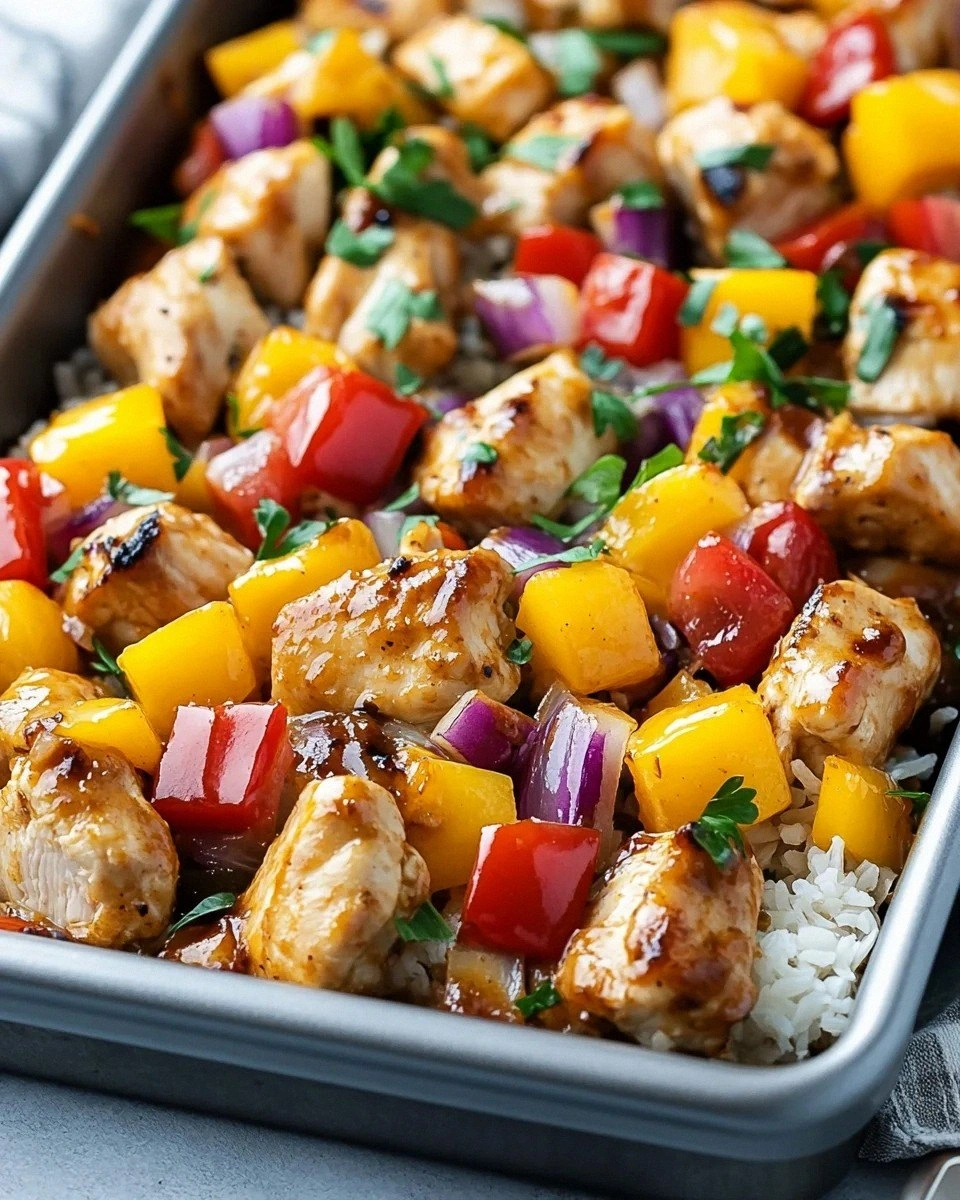
The Method — Step by Step
Preheat your oven to 425°F (220°C). While the oven warms, line a large rimmed sheet pan with parchment paper, then a sheet of heavy‑duty foil. This double‑layer trick not only makes cleanup a breeze but also creates a mini‑basting tray that catches all the caramelized juices for a quick sauce later. That sizzle when it hits the pan? Absolute perfection.
In a bowl, whisk together ¼ cup soy sauce, 2 tbsp brown sugar, 1 tbsp rice vinegar, 1 tsp grated fresh ginger, 2 minced garlic cloves, and a pinch of red pepper flakes for a subtle heat. The mixture should look glossy and slightly thick – this is your flavor bomb that will coat everything.
Pat the 4 chicken thighs (or 4 chicken breasts if you prefer lean) dry with paper towels. Toss them in half of the sauce, making sure each piece is fully coated. Let them sit for at least 10 minutes while you prep the veggies – this short marination is enough for the flavors to penetrate without drying the meat.
Spread the 2 cups of mixed bell peppers, sliced red onion, and snap peas across the pan, leaving a small well in the center for the pineapple. Drizzle a tablespoon of olive oil over the veggies, then toss them gently to coat. This ensures they roast evenly and develop those coveted caramelized edges.
Scatter the 1 cup pineapple chunks over the veggies, then nestle the marinated chicken pieces among the vegetables. Pour the remaining sauce over everything, making sure the pan is evenly coated but not swimming in liquid – you want a thin glaze, not a stew.
Slide the pan into the oven and roast for 20 minutes. After 20 minutes, pull the pan out and give everything a quick stir, making sure the chicken flips over and the pineapple caramelizes on all sides. This is the moment of truth – you should see the edges of the chicken pulling away from the pan, a sign of perfect browning.
Return the pan to the oven for another 10‑12 minutes, or until the chicken reaches an internal temperature of 165°F (74°C) and the pineapple edges are caramelized and slightly charred. The aroma at this stage should be intoxicating – sweet, salty, and a hint of smoky char.
Remove the pan from the oven and let it rest for 5 minutes. While it rests, the juices redistribute, making the chicken extra juicy. Finish with a sprinkle of 1 tbsp toasted sesame seeds and a handful of fresh cilantro for color and freshness.
That's it — you did it. But hold on, I've got a few more tricks that'll take this to another level…
Insider Tricks for Flawless Results
The Temperature Rule Nobody Follows
Most home cooks bake at a moderate 350°F, but cranking the oven to 425°F creates that coveted caramelization without drying out the chicken. The high heat sears the sugars on the pineapple and veggies instantly, locking in moisture. If you’re using chicken breasts, keep a close eye after the 20‑minute mark – they can go from juicy to dry in a flash.
Why Your Nose Knows Best
Trust the scent cues. When you smell the sweet‑savory perfume turning slightly nutty, that’s the sign the sugars have caramelized perfectly. If you detect a raw chicken smell, give it a few more minutes. A quick sniff can save you from overcooking or undercooking – your nose is a built‑in meat thermometer.
The 5‑Minute Rest That Changes Everything
Resting the chicken after it leaves the oven allows the juices to settle. Cutting into it immediately will cause those juices to spill out, leaving the meat drier. A five‑minute rest on a warm plate, loosely covered with foil, keeps the heat in while giving the fibers time to re‑absorb the flavorful juices.
Sauce Rescue Technique
If the glaze looks a bit thin after baking, simply pour the pan juices into a small saucepan, add a teaspoon of cornstarch slurry, and simmer for two minutes. This thickens the sauce into a glossy glaze you can drizzle over the finished dish. A friend once tried skipping this step and ended up with a soggy pan – let’s just say the texture suffered.
Veggie Placement Strategy
Place denser veggies like carrots or broccoli on the outer edges of the pan where heat is most intense. Lighter veggies like snap peas and bell peppers should sit closer to the center where the heat is gentler. This prevents over‑cooking and ensures every bite has the perfect crunch.
Creative Twists and Variations
This recipe is a playground. Here are some of my favorite ways to switch things up:
Mango Madness
Swap the pineapple for ripe mango chunks. Mango’s buttery sweetness pairs beautifully with the salty soy, creating a smoother, less tangy profile. Great for those who prefer a mellow tropical vibe.
Spicy Sriracha Splash
Add a tablespoon of sriracha to the marinade for a bold, smoky heat that cuts through the sweetness. If you love heat, finish with a drizzle of extra sriracha right before serving.
Veggie‑Only Delight
Replace the chicken with a block of firm tofu, pressed and cubed. Marinate the tofu in the same sauce and bake – the tofu absorbs the glaze, delivering a plant‑based version that’s just as satisfying.
Coconut Curry Fusion
Stir in a half‑cup of coconut milk and a teaspoon of curry powder into the sauce before marinating. This adds a creamy, aromatic layer that turns the dish into a tropical curry‑style feast.
Peachy Keen
Use fresh peach slices instead of pineapple for a subtle floral sweetness. The peaches caramelize beautifully and pair well with a splash of balsamic reduction added at the end.
Storing and Bringing It Back to Life
Fridge Storage
Allow the leftovers to cool to room temperature, then transfer to an airtight container. It will keep fresh for up to 4 days. When reheating, add a splash of water or broth to restore moisture, then microwave for 2‑3 minutes or re‑roast in a 350°F oven for 10 minutes.
Freezer Friendly
Portion the cooked chicken, veggies, and pineapple into freezer‑safe bags, removing as much air as possible. Freeze for up to 3 months. Thaw overnight in the fridge, then reheat on the stovetop over medium heat, adding a tablespoon of water to revive the glaze.
Best Reheating Method
For the crispiest results, spread the leftovers on a sheet pan and broil for 2‑3 minutes, watching closely to avoid burning. The high heat revives the caramelized edges while keeping the interior juicy.