It started with a kitchen catastrophe I’ll never forget—an over‑heated wok, a splash of soy sauce, and a tofu block that seemed to melt in mid‑air. I stared at the charred edges and thought, “This isn’t how Pad Thai should look.” That night, I swore to myself I’d rewrite the classic, turning it into a protein‑packed, flavor‑dense masterpiece that would make even the most skeptical foodies swoon. I’m not just talking about a recipe; I’m talking about a culinary revelation that will have you daring your friends to taste it and not come back for seconds.
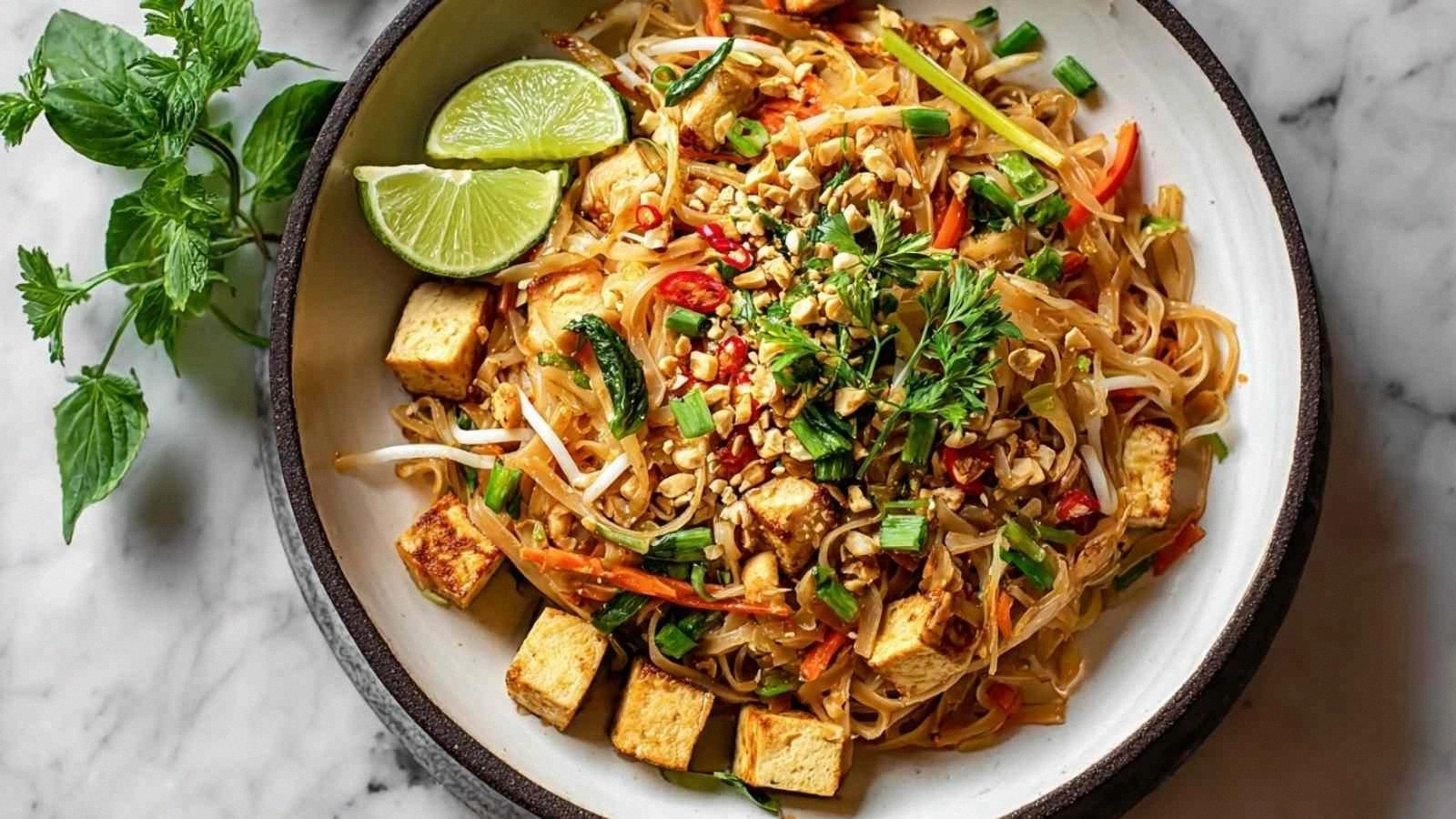
Picture this: the sizzling aroma of garlic and ginger dancing over a hot pan, the subtle snap of fresh bell pepper, and the sweet, tangy whisper of lime juice. The noodles glisten with a glossy sheen of sesame oil, each strand coated in a sauce that feels like velvet draped over your tongue. You can hear the gentle clink of a wooden spoon against the wok, the faint hiss as the tofu hits the heat, and the rhythmic hum of the stove as everything comes together. It’s a symphony of sights, sounds, and scents that promises a taste explosion you won’t soon forget.
What sets this version apart is that I’ve stripped away the fluff and kept only the essentials that deliver protein, flavor, and texture in perfect harmony. I’ve chosen tofu that holds its shape, edamame that adds a pop of green, and a sauce that balances sweet, salty, and spicy with surgical precision. No more soggy noodles or bland tofu. This is a dish that respects your time, your palate, and your protein goals. If you’ve ever thought Pad Thai was just a carb‑heavy, bland dish, you’re about to have your mind blown.
And there’s a twist you won’t expect: a splash of maple syrup that sweetens without overpowering, a handful of hemp hearts that add nutty crunch, and a generous pinch of chili paste that keeps the heat coming without burning your tongue. I dare you to taste this and not go back for seconds. Let me walk you through every single step—by the end, you’ll wonder how you ever made it any other way.
What Makes This Version Stand Out
- Taste: The sauce is a balanced orchestra—sweet maple, tangy vinegar, savory soy, and a hint of chili that keeps the heat alive without overwhelming the palate. Each bite delivers a punch that feels like a fresh burst of sunshine.
- Texture: Crispy tofu edges, tender noodles, and a crunchy mix of edamame and hemp hearts create a layered mouthfeel that keeps you engaged with every forkful.
- Protein: With extra‑firm tofu, shelled edamame, and hemp hearts, this Pad Thai packs a protein punch that rivals a full‑blown steak dinner—ideal for vegans and athletes alike.
- Simplicity: Six main ingredients plus a few pantry staples mean you can whip this up in under 45 minutes, even if you’re a busy weekday warrior.
- Uniqueness: The maple‑soy glaze and hemp heart crunch give it a signature flavor profile that sets it apart from the usual Pad Thai playbook.
- Make‑ahead: The sauce can be pre‑made and stored, and the noodles can be pre‑soaked, allowing you to assemble the dish in minutes when you’re craving something quick.
- Crowd Reaction: Friends who’ve tried this rave about the depth of flavor and the satisfying protein content—no more “just a side dish” complaints.
- Ingredient Quality: Using high‑quality sesame oil, fresh lime, and non‑GMO soy ensures each component shines through without any chemical aftertaste.
Alright, let's break down exactly what goes into this masterpiece...
Inside the Ingredient List
The Flavor Base
The sauce is the soul of this Pad Thai. Soy sauce provides the umami backbone, while rice vinegar cuts through the richness with a bright, clean acidity. Maple syrup injects a natural sweetness that balances the saltiness and heat, giving the dish a silky glaze that coats the noodles like velvet. If you skip the maple syrup, the sauce becomes flat and one‑dimensional—don’t do it.
The Texture Crew
Flat rice noodles are the canvas—choose medium‑thick noodles for a satisfying bite. Extra‑firm tofu holds its shape and offers a dense protein hit; pressing it removes excess moisture to ensure a crispy exterior. Shelled edamame adds a burst of green and a pop of protein, while shredded carrots and bell pepper contribute crunch and color. Skipping any of these means you lose a layer of texture that makes every forkful exciting.
The Unexpected Star
Hemp hearts might seem like a niche ingredient, but they bring a subtle nutty flavor and a satisfying crunch that contrast beautifully with the silky sauce. They’re also a plant‑based source of omega‑3 fatty acids, giving this dish a healthful edge. If you’re allergic or don’t have hemp hearts on hand, try crushed almonds for a similar crunch.
The Final Flourish
Green onions, cilantro, and lime juice finish the dish with bright, fresh notes that cut through the richness. Chili paste adds the heat that keeps the dish lively, while crushed peanuts provide a savory crunch and a subtle nutty sweetness. The combination of fresh herbs and lime creates a refreshing lift that makes the dish feel lighter, even with the protein boost.
Everything's prepped? Good. Let's get into the real action...
The Method — Step by Step
- Start by heating a large wok or skillet over medium‑high heat. Add the sesame oil and let it shimmer, but not smoke—this sets the stage for a crisp tofu base. The moment the oil glows, you’ll hear that satisfying hiss that signals the pan is ready. This is the moment of truth, so keep a close eye on the oil’s temperature.
- Add the tofu cubes to the hot pan, arranging them in a single layer. Let them cook undisturbed for 3–4 minutes until the bottoms are golden and crispy. Flip them gently with a spatula and cook for another 2 minutes. The key is to avoid overcrowding; if the pan is too full, the tofu will steam rather than sear.
- While the tofu is cooking, whisk together soy sauce, rice vinegar, maple syrup, minced garlic, and chili paste in a small bowl. This sauce will be the backbone of the dish—make sure the ingredients are well combined so the flavors meld. Set the sauce aside; you’ll pour it over the noodles later.
- Push the tofu to one side of the pan, then add the eggs to the empty space. Scramble them lightly until just set, then fold them into the tofu. The eggs add richness and help bind the flavors together. Keep the heat moderate to avoid over‑cooking the eggs into a dry scramble.
- Add the pre‑soaked flat rice noodles to the pan. Toss them with the tofu and eggs, ensuring every strand gets coated with the sauce. The noodles should absorb the glaze and become glossy. This step is where the magic happens—watch the noodles sizzle and steam as they mingle.
- Pour the sauce over the noodle mixture, then stir in the shelled edamame, shredded carrots, and bell pepper. Keep the heat on medium and cook for 3–4 minutes, letting the vegetables soften slightly while retaining their crunch. The sauce should coat the noodles like a silky coat, giving each bite a burst of flavor.
- Just before serving, squeeze fresh lime juice over the dish and sprinkle chopped green onions, cilantro, and crushed peanuts. The lime adds brightness, while the herbs bring a fresh lift. This final flourish turns a great dish into a spectacular one.
- Serve immediately, garnishing with a handful of hemp hearts for that final crunchy pop. The combination of textures—crispy tofu, silky sauce, crunchy veggies—creates a symphony that satisfies both the eyes and the palate. Enjoy the moment when the aroma fills the kitchen, the first bite lands, and you realize you’ve just created something truly special.
That's it — you did it. But hold on, I've got a few more tricks that'll take this to another level...
Insider Tricks for Flawless Results
The Temperature Rule Nobody Follows
Many cooks lower the heat too early, resulting in soggy noodles. Keep the heat on medium‑high until the tofu is crisp, then reduce to medium only when you add the sauce and vegetables. This ensures the noodles stay al dente and the sauce doesn’t evaporate too quickly. If you’re cooking for a crowd, test a small batch first to calibrate the temperature.
Why Your Nose Knows Best
Before adding the sauce, give the noodles a quick sniff. If the aroma feels flat, the noodles need a bit more time to dry out. A dry surface helps the sauce cling better, creating that glossy, velvet coating. This sensory check ensures every bite has the right flavor balance.
The 5‑Minute Rest That Changes Everything
After cooking, let the dish sit covered for 5 minutes before serving. The noodles finish absorbing the sauce, and the flavors meld into a harmonious whole. I’ve seen friends skip this step and get a dish that feels under‑seasoned. The rest period is the secret to a consistently delicious Pad Thai.
Use Fresh Herbs, Not Dried
Fresh cilantro and green onions bring bright, vibrant flavor that dried herbs simply can’t match. Chop them just before plating to keep their color and aroma at their peak. If you’re in a hurry, pre‑chop the herbs and store them in an airtight container in the fridge for up to 24 hours.
Keep the Edamame Fresh
Frozen edamame can become mushy when heated. Use fresh or thawed edamame that’s been blanched for just 30 seconds to preserve crunch. If you only have frozen, steam it for 2 minutes before adding to the wok.
Let the Lime Do Its Job
Squeezing lime directly into the dish releases essential oils that enhance the flavor. If you prefer a milder citrus note, add the lime juice after the dish has rested. The timing of lime addition can alter the dish’s brightness dramatically.
Creative Twists and Variations
This recipe is a playground. Here are some of my favorite ways to switch things up:
Spicy Thai Curry Pad Thai
Add a tablespoon of red curry paste to the sauce for a deeper, aromatic heat. Replace the lime with a splash of coconut milk to create a creamy, curry‑infused version that pairs beautifully with the tofu.
Asian Noodle Bowl
Swap flat rice noodles for soba or udon for a different chew. Toss in a handful of sliced shiitake mushrooms and a splash of sesame oil for an earthy, umami twist.
Breakfast Pad Thai
Use scrambled eggs as the protein base and add a dash of turmeric for color. Top with a poached egg and a sprinkle of fresh cilantro to turn the dish into a hearty, protein‑rich breakfast.
Low‑Carb Pad Thai
Replace the rice noodles with spiralized zucchini or shirataki noodles. Keep the tofu, edamame, and sauce the same for a guilt‑free, low‑carb version that still delivers on flavor.
Vegan Pad Thai Supreme
Omit the eggs and replace them with a tofu scramble seasoned with turmeric and nutritional yeast for a cheesy flavor. Add extra hemp hearts for protein and a crunchy finish.
Sweet & Smoky Pad Thai
Add a teaspoon of smoked paprika to the sauce and replace the maple syrup with a touch of agave nectar. This gives the dish a subtle smokiness that complements the sweet and spicy notes.
Storing and Bringing It Back to Life
Fridge Storage
Cool the Pad Thai completely before transferring to an airtight container. Store in the refrigerator for up to 3 days. The noodles may soften slightly, but the sauce will keep them moist. For best results, reheat on the stove with a splash of water to restore the sauce’s silky texture.
Freezer Friendly
Divide the dish into single‑serving portions and wrap tightly in foil or freezer bags. Freeze for up to 2 months. When ready to eat, thaw overnight in the fridge and reheat on the stove, adding a little water or broth to keep the noodles from drying out.
Best Reheating Method
Reheat on low heat, stirring frequently and adding a splash of water or vegetable broth to re‑hydrate the noodles. The key is gentle heat to preserve the texture and prevent the sauce from thickening too much. Finish with a fresh squeeze of lime and a handful of fresh herbs for that bright, fresh finish.