
Lemon Garlic Salmon
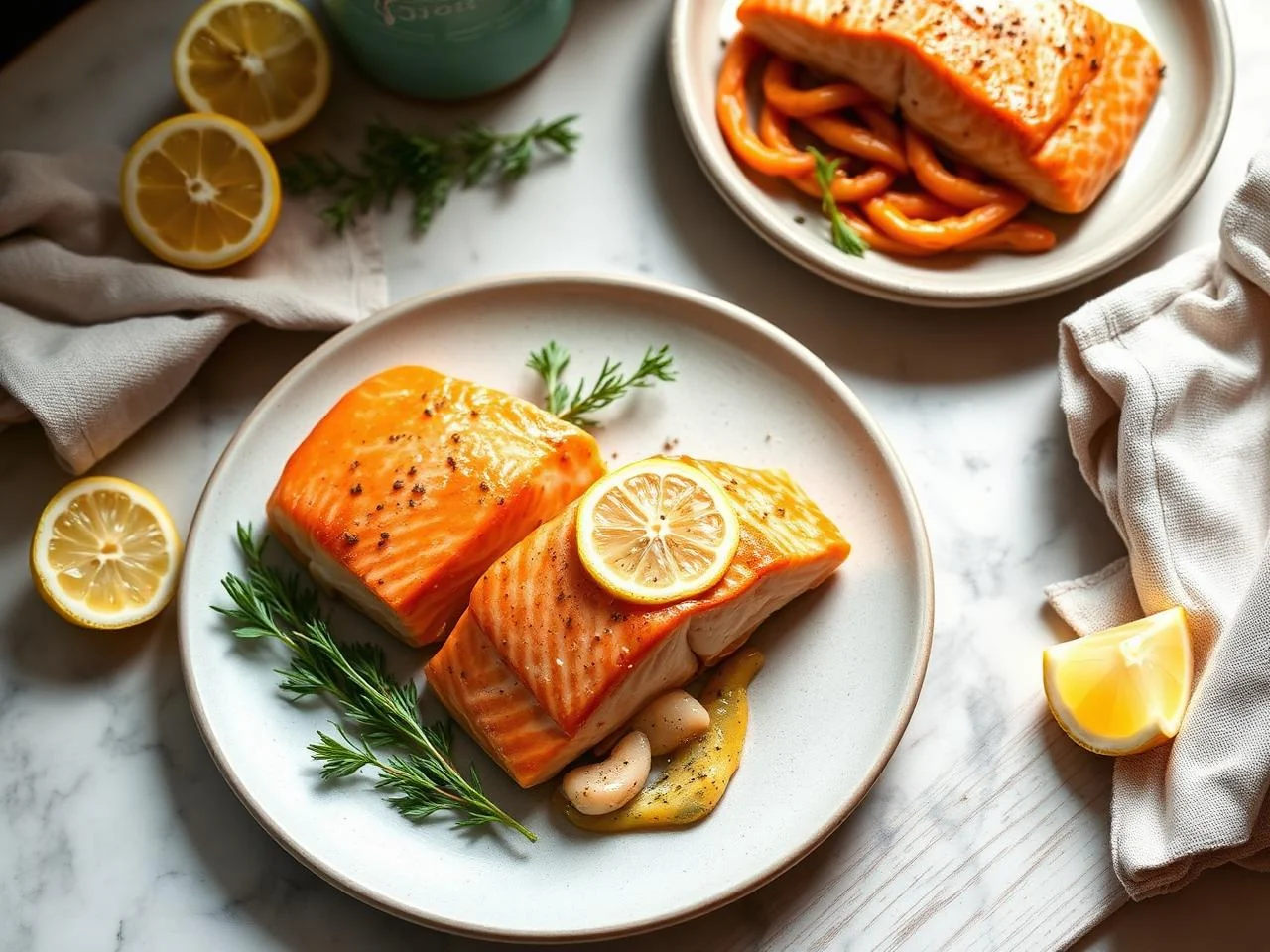
I still remember the first time I made lemon garlic salmon for my family. It was a weeknight, and I was looking for something quick and easy to make. I had all the ingredients on hand, and it turned out to be a huge hit. The combination of the bright, citrusy lemon, the pungency of the garlic, and the richness of the salmon was absolute perfection.
As a coastal home cook, I've always been drawn to seafood, and salmon is one of my favorites. It's an incredibly versatile fish that can be cooked in a variety of ways, from baking to grilling to pan-searing. And when you add the flavors of lemon and garlic, it's a match made in heaven.
This recipe is perfect for anyone who's looking for a foolproof and delicious way to cook salmon. It's easy to make, and the ingredients are readily available at most supermarkets. Plus, it's a great way to get your daily dose of omega-3s and other essential nutrients.
So, whether you're a seasoned cook or just starting out, this lemon garlic salmon recipe is sure to become a staple in your kitchen. It's a great way to impress your friends and family, and it's also a wonderful way to enjoy a healthy and flavorful meal on a busy weeknight.
In this recipe, we'll be using a combination of fresh herbs, garlic, and lemon to create a bright and citrusy sauce that complements the richness of the salmon perfectly. We'll also be using a technique called pan-searing, which gives the salmon a beautiful crust on the outside while keeping it moist and tender on the inside.
Why You’ll Love This Recipe
- This recipe is easy to make and requires minimal ingredients
- It's a great way to get your daily dose of omega-3s and other essential nutrients
- The combination of lemon, garlic, and fresh herbs creates a bright and citrusy flavor that complements the richness of the salmon perfectly
- The pan-searing technique gives the salmon a beautiful crust on the outside while keeping it moist and tender on the inside
- It's a great way to impress your friends and family with a delicious and flavorful meal
- It's perfect for a quick weeknight dinner or special occasion
Why This Recipe Works
The key to this recipe is the combination of flavors and textures. The lemon and garlic add a bright, citrusy flavor that complements the richness of the salmon perfectly. The fresh herbs add a subtle, slightly bitter flavor that balances out the dish. And the pan-searing technique gives the salmon a beautiful crust on the outside while keeping it moist and tender on the inside.
Another important aspect of this recipe is the use of high-quality ingredients. Fresh, sustainable salmon is essential for this dish, as it has a more delicate flavor and a better texture than farmed salmon. Fresh herbs, such as parsley and dill, are also essential, as they add a bright, fresh flavor to the dish.
The cooking technique is also important in this recipe. Pan-searing is a great way to cook salmon, as it gives it a beautiful crust on the outside while keeping it moist and tender on the inside. And by using a hot skillet and a small amount of oil, we can achieve a nice crust on the salmon without overcooking it.
Ingredients You’ll Need
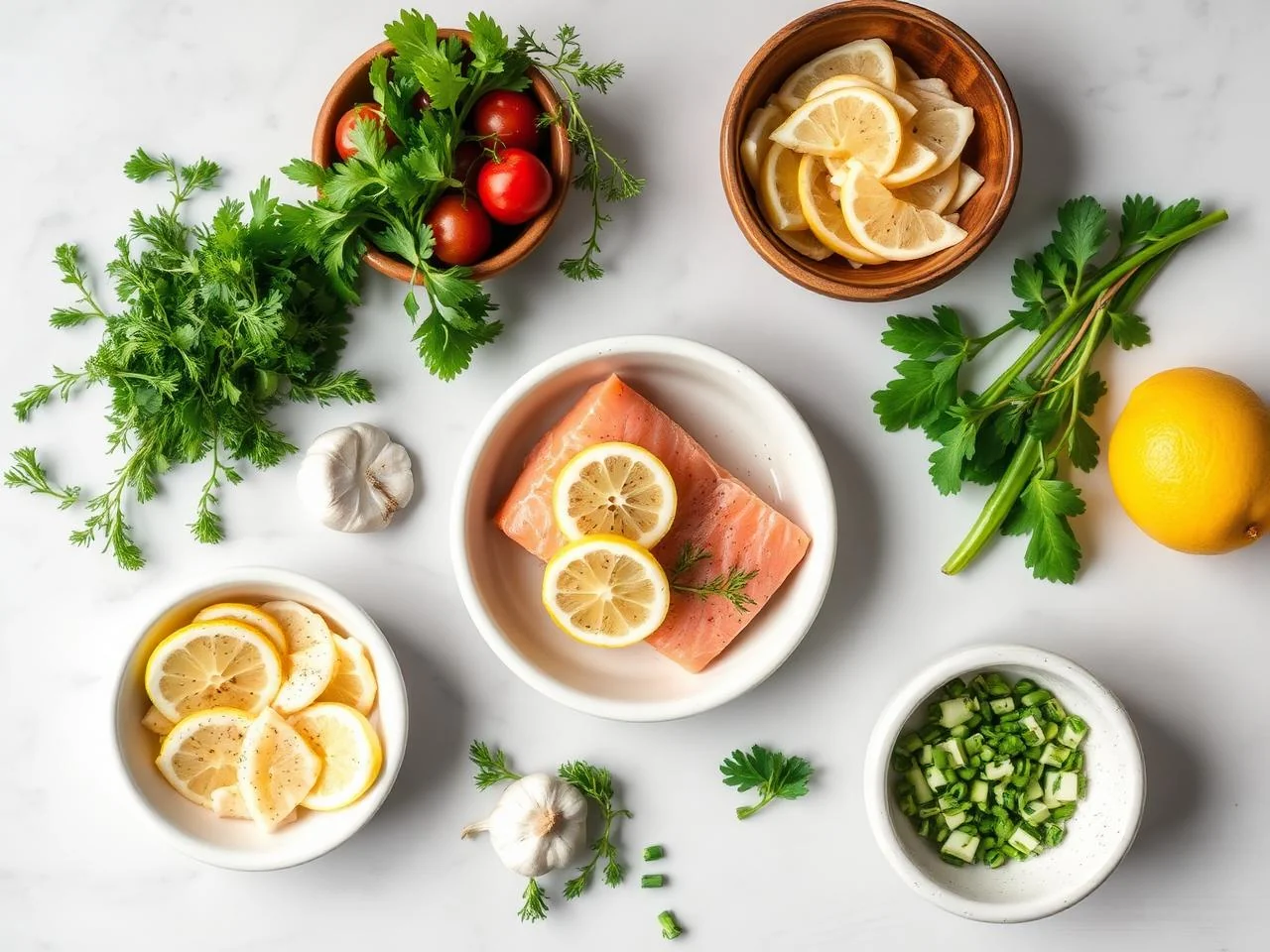
For this recipe, we'll be using a combination of fresh herbs, garlic, lemon, and salmon. We'll also be using some basic pantry staples, such as salt, pepper, and olive oil. Make sure to choose fresh, sustainable salmon for this dish, as it has a more delicate flavor and a better texture than farmed salmon.
When shopping for ingredients, look for fresh herbs that are bright green and have a fresh, citrusy aroma. Choose a lemon that is heavy for its size and has a bright, yellow color. And make sure to select a salmon fillet that is fresh and has a nice, pink color.
- 4 salmon fillets, 6 oz eachFresh, sustainable salmon is essential for this dish, as it has a more delicate flavor and a better texture than farmed salmon. Look for salmon that is wild-caught and has a nice, pink color.
- 2 lemons, juicedChoose lemons that are heavy for their size and have a bright, yellow color. Freshly squeezed lemon juice is essential for this dish, as it adds a bright, citrusy flavor that complements the richness of the salmon perfectly.
- 4 cloves garlic, mincedFresh garlic is essential for this dish, as it adds a pungent flavor that complements the richness of the salmon perfectly. Look for garlic that is firm and has a mild, sweet aroma.
- 1/4 cup olive oilChoose a high-quality olive oil that has a mild, fruity flavor. This will help to add a rich, velvety texture to the sauce and complement the flavors of the salmon and lemon.
- 2 tbsp chopped fresh parsleyFresh parsley is essential for this dish, as it adds a bright, fresh flavor that complements the richness of the salmon perfectly. Look for parsley that is bright green and has a fresh, citrusy aroma.
- 2 tbsp chopped fresh dillFresh dill is essential for this dish, as it adds a subtle, slightly bitter flavor that balances out the dish. Look for dill that is bright green and has a fresh, citrusy aroma.
- 1 tsp saltChoose a high-quality salt that has a mild, savory flavor. This will help to bring out the flavors of the salmon and complement the other ingredients in the dish.
- 1/2 tsp black pepperFreshly ground black pepper is essential for this dish, as it adds a sharp, pungent flavor that complements the richness of the salmon perfectly. Look for pepper that is freshly ground and has a sharp, pungent aroma.
- 2 tbsp butterChoose a high-quality butter that has a rich, creamy flavor. This will help to add a rich, velvety texture to the sauce and complement the flavors of the salmon and lemon.
- 1/4 cup white wineChoose a dry white wine that has a crisp, citrusy flavor. This will help to add a bright, refreshing flavor to the sauce and complement the flavors of the salmon and lemon.
Equipment You’ll Need
How to Make Lemon Garlic Salmon
- 1Preheat the oven to 400 F (200 C).
- 2Rinse the salmon fillets under cold water and pat them dry with paper towels.
- 3Season the salmon fillets with salt and pepper.
- 4Heat the olive oil in a large heavy skillet or sauté pan over medium-high heat.
- 5Add the garlic to the skillet and cook for 1-2 minutes, until fragrant.
- 6Add the salmon fillets to the skillet, skin side up (if they have skin).
- 7Cook the salmon for 3-4 minutes, until the skin is crispy and golden brown.
- 8Flip the salmon over and cook for an additional 3-4 minutes, until it reaches an internal temperature of 145 F (63 C). Check the temperature with an instant-read thermometer in the thickest part of the fillet.
- 9Remove the salmon from the skillet and set it aside on a plate.
- 10Reduce the heat to medium and add the butter to the skillet. Once melted, add the lemon juice, white wine, parsley, and dill to the skillet.
- 11Whisk the sauce together and cook for 2-3 minutes, until it has reduced slightly and thickened.
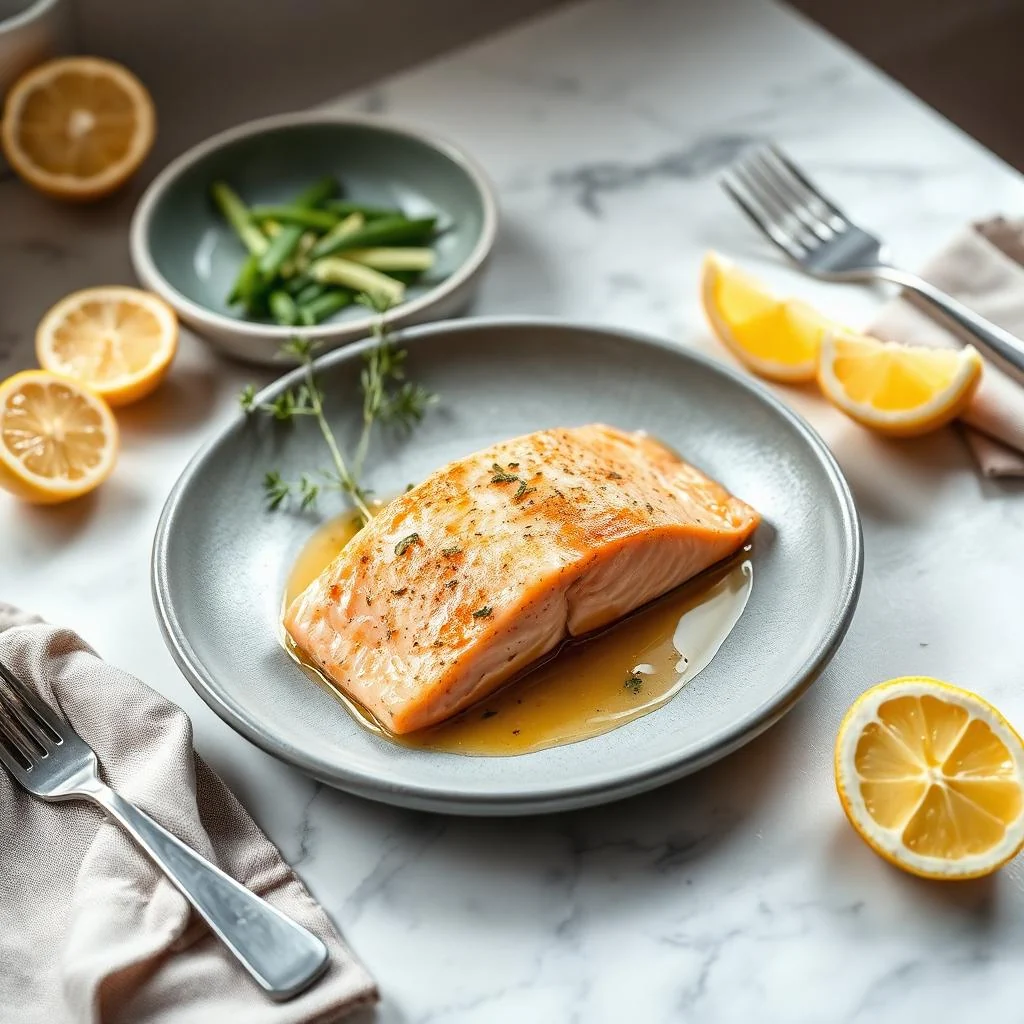
- 12Serve the salmon fillets with the lemon garlic sauce spooned over the top.
Expert Tips
- Make sure to choose fresh, sustainable salmon for this dish, as it has a more delicate flavor and a better texture than farmed salmon.
- Don't overcook the salmon, as it can become dry and tough. Use an instant-read thermometer to ensure it reaches a safe internal temperature.
- Let the salmon rest for a few minutes before serving, as this will help the juices to redistribute and the fish to stay moist.
- Don't be afraid to experiment with different herbs and spices in the sauce, such as basil or thyme, to find the combination that you like best.
- Serve the salmon with a side of roasted vegetables or a salad, as this will help to round out the meal and provide a nice contrast in texture.
- Consider making a double batch of the lemon garlic sauce, as it can be used as a marinade or sauce for other dishes, such as chicken or shrimp.
Common Mistakes to Avoid
- Overcooking the salmon, which can make it dry and tough.
- Not using fresh, sustainable salmon, which can affect the flavor and texture of the dish.
- Not patting the salmon dry before cooking, which can prevent it from searing properly.
- Not using enough garlic, which can make the sauce lack flavor.
- Not whisking the sauce together properly, which can make it separate and look unappetizing.
- Not serving the salmon immediately, which can cause it to lose its texture and flavor.
Variations and Substitutions
- Add some diced onions or shallots to the skillet with the garlic for added flavor.
- Use different herbs, such as basil or thyme, in the sauce for a unique flavor.
- Add some grated ginger or lemon zest to the sauce for extra brightness and flavor.
- Serve the salmon with a side of quinoa or brown rice, as this will help to round out the meal and provide a nice contrast in texture.
- Use chicken or shrimp instead of salmon, as this will provide a different flavor and texture.
- Add some diced bell peppers or mushrooms to the skillet with the garlic for added flavor and nutrients.
What to Serve With Lemon Garlic Salmon
This lemon garlic salmon is perfect for serving with a variety of sides, such as roasted vegetables, quinoa, or a salad. The bright, citrusy flavor of the sauce pairs well with the richness of the salmon, and the fresh herbs add a nice, bright flavor to the dish.
Consider serving the salmon with a side of roasted asparagus or Brussels sprouts, as this will provide a nice contrast in texture and flavor. You could also serve it with a side of quinoa or brown rice, as this will help to round out the meal and provide a nice contrast in texture.
Make-Ahead, Storage, Freezing and Reheating
This lemon garlic salmon can be stored in the refrigerator for up to 3 days, as long as it is kept in an airtight container. It can also be frozen for up to 2 months, as long as it is wrapped tightly in plastic wrap or aluminum foil.
To reheat the salmon, simply place it in the oven at 350 F (180 C) for 5-7 minutes, until it is heated through. You can also reheat it in the microwave, as long as you are careful not to overcook it.
It's also worth noting that the lemon garlic sauce can be made ahead of time and stored in the refrigerator for up to 1 week. Simply whisk it together and store it in an airtight container, and then reheat it when you are ready to serve the salmon.
In addition to storing the salmon in the refrigerator or freezer, you can also consider making a double batch of the lemon garlic sauce and freezing it for later use. This will save you time and effort in the long run, and it will also provide you with a delicious and flavorful sauce to serve with other dishes.
Frequently Asked Questions
What type of salmon should I use for this recipe?
You should use fresh, sustainable salmon for this recipe, as it has a more delicate flavor and a better texture than farmed salmon. Look for salmon that is wild-caught and has a nice, pink color.
Can I use other types of fish for this recipe?
Yes, you can use other types of fish for this recipe, such as cod or tilapia. However, keep in mind that the flavor and texture may be slightly different, so you may need to adjust the cooking time and seasonings accordingly.
How do I know when the salmon is cooked?
You can check the internal temperature of the salmon with an instant-read thermometer to ensure it reaches a safe internal temperature of 145 F (63 C). You can also check the fish for doneness by inserting a fork or knife into the thickest part of the fillet. If it flakes easily and is opaque, it is cooked through.
Can I make the lemon garlic sauce ahead of time?
Yes, you can make the lemon garlic sauce ahead of time and store it in the refrigerator for up to 1 week. Simply whisk it together and store it in an airtight container, and then reheat it when you are ready to serve the salmon.
What are some other sides I can serve with this dish?
Some other sides you can serve with this dish include roasted vegetables, quinoa, brown rice, or a salad. The bright, citrusy flavor of the sauce pairs well with the richness of the salmon, and the fresh herbs add a nice, bright flavor to the dish.
Can I freeze the salmon after it's been cooked?
Yes, you can freeze the salmon after it's been cooked, as long as you wrap it tightly in plastic wrap or aluminum foil and store it in an airtight container. It will keep for up to 2 months in the freezer.
How do I reheat the salmon after it's been frozen?
To reheat the salmon after it's been frozen, simply place it in the oven at 350 F (180 C) for 5-7 minutes, until it is heated through. You can also reheat it in the microwave, as long as you are careful not to overcook it.
Can I use this recipe for a special occasion?
Yes, this recipe is perfect for a special occasion, such as a dinner party or holiday meal. The bright, citrusy flavor of the sauce and the fresh herbs make it a elegant and impressive dish.
Ingredients
- 4 salmon fillets, 6 oz each
- 2 lemons, juiced
- 4 cloves garlic, minced
- 1/4 cup olive oil
- 2 tbsp chopped fresh parsley
- 2 tbsp chopped fresh dill
- 1 tsp salt
- 1/2 tsp black pepper
- 2 tbsp butter
- 1/4 cup white wine
Instructions
- Preheat the oven to 400 F (200 C).
- Rinse the salmon fillets under cold water and pat them dry with paper towels.
- Season the salmon fillets with salt and pepper.
- Heat the olive oil in a large heavy skillet or sauté pan over medium-high heat.
- Add the garlic to the skillet and cook for 1-2 minutes, until fragrant.
- Add the salmon fillets to the skillet, skin side up (if they have skin).
- Cook the salmon for 3-4 minutes, until the skin is crispy and golden brown.
- Flip the salmon over and cook for an additional 3-4 minutes, until it reaches an internal temperature of 145 F (63 C). Check the temperature with an instant-read thermometer in the thickest part of the fillet.
- Remove the salmon from the skillet and set it aside on a plate.
- Reduce the heat to medium and add the butter to the skillet. Once melted, add the lemon juice, white wine, parsley, and dill to the skillet.
- Whisk the sauce together and cook for 2-3 minutes, until it has reduced slightly and thickened.
- Serve the salmon fillets with the lemon garlic sauce spooned over the top.