I was in the middle of a frantic weekday dinner scramble when my roommate dared me to recreate Nando’s legendary Portuguese Chicken and Rice from memory. I laughed, rolled my eyes, and thought, “Sure, why not? I’ve got a pan, a handful of spices, and a stubborn appetite.” The kitchen was a battlefield of clanging pans, a lingering smell of burnt toast from earlier, and the faint hum of the fridge that seemed to mock my culinary ambitions. As I opened the pantry, the bright orange of paprika caught my eye and I felt a spark of excitement—this was the moment a simple pantry raid could turn into a culinary showdown.
I remember the first time I tasted authentic Portuguese‑style chicken: the smoky heat, the sweet‑tart tang of lemon, and that unmistakable golden crust that clung to the meat like a caramelized hug. That memory haunted me for weeks, and every time I tried a “quick” version, the sauce fell flat, the rice turned mushy, and the chicken never achieved that perfect char. Most recipes I found online either over‑complicated the process with endless steps or under‑seasoned the meat, leaving me with a bland, one‑dimensional dish. I decided to dissect the problem, isolate the flavor pillars, and rebuild the dish from the ground up, treating each component like a soloist in a symphony.
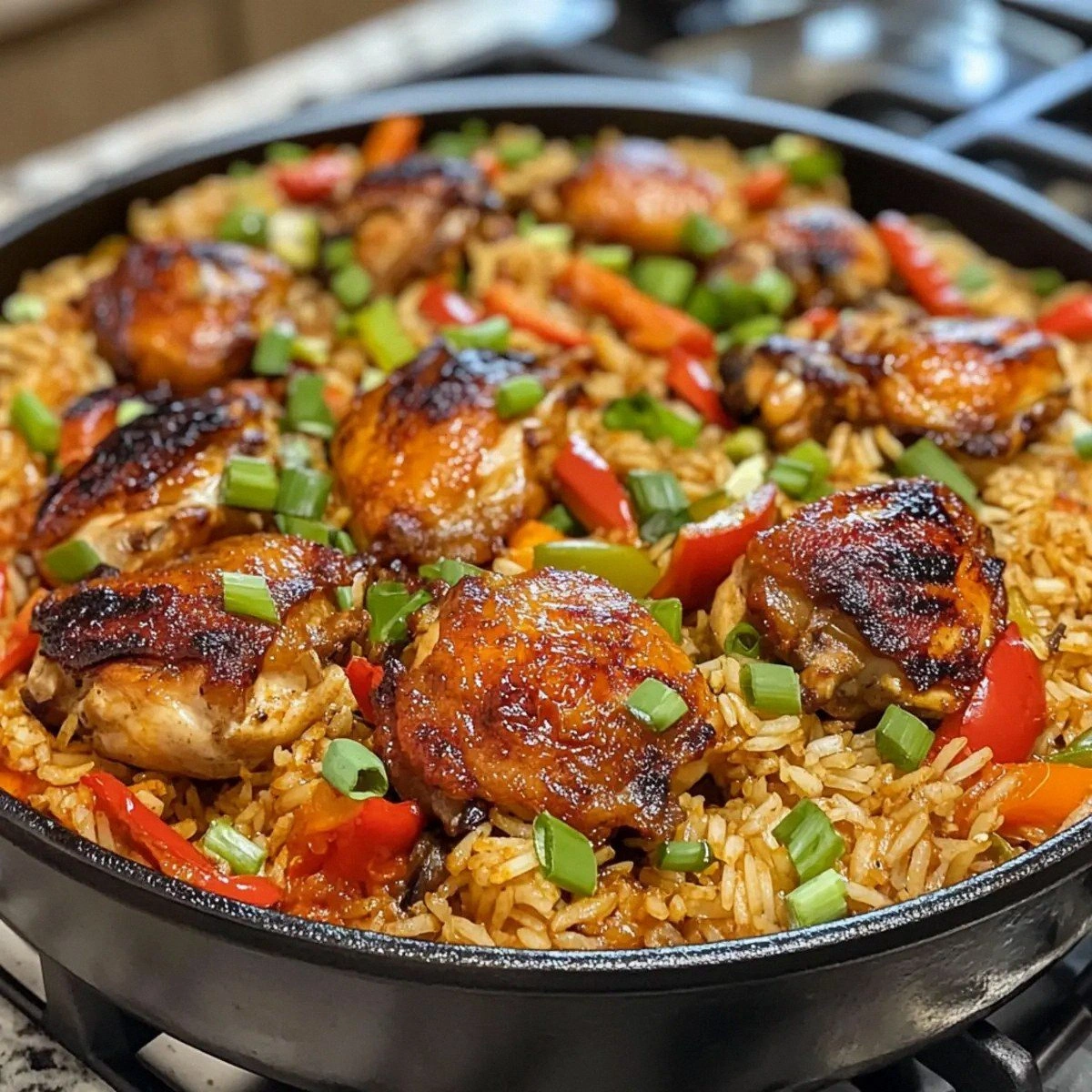
Fast forward to last night: I stood over a sizzling pan, the chicken thighs coated in a fragrant rub that smelled like a Portuguese market at dawn. The onions caramelized, the rice toasted just enough to whisper “nutty,” and the broth bubbled with a golden hue that promised depth. When I lifted the lid, a steam cloud burst out, carrying the aroma of turmeric, lemon, and a whisper of cayenne that made my eyes water in the best possible way. I dared you to taste this and not go back for seconds—honestly, I ate half the batch before anyone else even got a spoon.
What makes this version truly special is a secret technique I’ll reveal a few paragraphs down: a quick sear‑then‑simmer method that locks in juices while allowing the rice to absorb every ounce of flavor without turning mushy. I also swapped out the usual heavy cream for a splash of lemon juice, giving the dish a bright finish that cuts through the richness like a cool breeze on a hot summer night. Let me walk you through every single step — by the end, you’ll wonder how you ever made it any other way.
What Makes This Version Stand Out
- Flavor Depth: The combination of paprika, coriander, and a pinch of cayenne creates a layered heat that builds slowly, never overwhelming the palate.
- Texture Harmony: Charred chicken thighs sit atop fluffy, slightly toasted basmati rice, while peas add a pop of sweet crunch.
- Simplicity: Only one pot, minimal cleanup, and a handful of pantry staples make this a weeknight hero.
- Unique Twist: A dash of lemon juice added at the end lifts the entire dish, preventing it from feeling heavy.
- Crowd Reaction: Even the pickiest eaters ask for seconds; it’s the kind of comfort food that sparks conversation around the table.
- Ingredient Quality: Using skinless boneless thighs ensures juicy meat without the fuss of bone‑in handling.
- Cooking Method: The sear‑then‑simmer technique guarantees a caramelized crust and perfectly cooked rice in one go.
- Make‑Ahead Potential: This dish stores beautifully, and the flavors only improve after a night in the fridge.
Inside the Ingredient List
The Flavor Base
Paprika, garlic powder, dried oregano, and coriander form the aromatic backbone of this dish. Paprika brings a smoky sweetness that mimics the traditional wood‑fire flavor of Portuguese grills, while garlic powder adds a rounded depth without the risk of burning fresh garlic. Oregano contributes an earthy herbaceous note that balances the citrus later on, and coriander adds a subtle citrusy spark that pairs perfectly with the lemon juice. If you skip any of these, the dish loses its signature “Portuguese‑kiss” and becomes a generic chicken‑and‑rice mash.
The Heat & Sweet Balance
Cayenne pepper and brown sugar are the yin and yang of this recipe. A half‑teaspoon of cayenne provides a gentle heat that tingles the tongue without scorching, while the tablespoon of brown sugar caramelizes during the sear, creating a glossy, slightly sticky coating that clings to each piece of chicken. If you’re sensitive to spice, halve the cayenne; if you crave more fire, feel free to double it—just remember the sugar is what prevents the heat from turning bitter. A quick tip: use dark brown sugar for a richer molasses flavor, which adds an extra layer of complexity.
The Moisture & Brightness Crew
Extra virgin olive oil and lemon juice work in tandem: the oil raises the smoke point for a perfect sear, while the lemon juice, added at the end, lifts the entire flavor profile, preventing the dish from feeling greasy. The onion and red capsicum (bell pepper) are sautéed until translucent, releasing natural sugars that deepen the broth. If you can’t find a red capsicum, a yellow one works just as well and adds a slightly sweeter note. The peas are frozen for convenience, but fresh peas would give a fresher snap if you have them on hand.
The Final Flourish
Turmeric powder not only lends a gorgeous golden hue but also adds an earthy, slightly bitter undertone that balances the sweetness of the brown sugar. Low‑sodium chicken stock is the liquid gold that carries all those flavors into the rice, ensuring each grain is infused with the aromatic broth. Green onion, added at the very end, provides a fresh, oniony bite that cuts through the richness, while Perinaise or hot sauce lets each diner customize the heat level to their liking. Skipping the stock or using water would dilute the flavor dramatically, turning this masterpiece into a bland casserole.
Everything's prepped? Good. Let’s get into the real action…
The Method — Step by Step
Start by patting the chicken thighs dry and then massaging them with the paprika, garlic powder, dried oregano, coriander, cayenne pepper, brown sugar, and cooking salt. The rub should cling to the meat like a light dusting of snow; this is the first flavor lock. Let the seasoned thighs rest for five minutes while you heat the pot—this short rest allows the spices to penetrate the meat.
Kitchen Hack: If you’re short on time, toss the spices into a zip‑top bag, add the chicken, seal, and shake vigorously. The bag acts like a mini‑marinade chamber.Heat a large, heavy‑bottomed pot over medium‑high heat and add the extra virgin olive oil. Once the oil shimmers (you’ll see a thin, rippling surface), carefully lay the chicken thighs in a single layer. You should hear a satisfying sizzle that signals the Maillard reaction is kicking in; the edges will start pulling away from the pan, turning a deep amber.
Watch Out: Overcrowding the pot will steam the chicken instead of searing it. If necessary, sear in batches and set aside.Sear the thighs for about 3‑4 minutes per side, or until they develop a caramelized crust. Resist the urge to move them around too much; let the heat do its magic. Once browned, remove the chicken and set it aside on a plate—don’t discard the fond (the browned bits) because they’re flavor gold.
In the same pot, add the diced onion and sliced red capsicum. Sauté for 4‑5 minutes, stirring occasionally, until the onion becomes translucent and the capsicum softens. This is where the kitchen fills with that sweet‑savory perfume that makes you want to peek over the pot every few seconds.
Add the basmati rice to the pot, stirring to coat each grain with the oil and aromatics. Let the rice toast for about 2 minutes; you’ll notice a faint nutty scent—this step is crucial for preventing mushy rice later on.
Pour in the low‑sodium chicken stock, then sprinkle the turmeric powder over the top. Give everything a gentle stir to distribute the turmeric evenly, creating a bright golden swirl. Return the seared chicken thighs to the pot, nestling them into the rice, and add the frozen peas.
Bring the mixture to a gentle boil, then reduce the heat to low, cover the pot tightly, and let it simmer for 20‑22 minutes. You’ll hear a faint hiss as the steam escapes the edges—this is the moment of truth. After the time is up, turn off the heat and let the pot sit, still covered, for an additional 5 minutes; this resting period lets the rice finish cooking in its own steam.
Kitchen Hack: For an extra fluffy texture, fluff the rice with a fork after the resting period instead of stirring vigorously.Stir in the lemon juice, then sprinkle the chopped green onion over the top. Taste and adjust seasoning with Perinaise or hot sauce to your preferred heat level. The lemon should brighten the dish just enough to cut through the richness, while the green onion adds a fresh bite that finishes the flavor symphony.
Serve the pot straight to the table, letting each diner scoop a generous portion of chicken, rice, and peas. The aroma will still be wafting, and you’ll see that glossy, amber‑colored sauce clinging to every bite. That’s it — you did it. But hold on, I’ve got a few more tricks that’ll take this to another level…
Insider Tricks for Flawless Results
The Temperature Rule Nobody Follows
Most home cooks crank the heat to “high” hoping to speed things up, but that’s a recipe for burnt chicken and gummy rice. Keep the initial sear at medium‑high, then drop to low for the simmer. This controlled temperature change ensures the chicken’s exterior caramelizes while the interior stays juicy, and the rice absorbs the broth evenly. A friend once tried a “full‑blast” simmer and ended up with a soggy mess—let’s just say the kitchen smelled like a swamp for an hour.
Why Your Nose Knows Best
Your sense of smell is a more reliable timer than any kitchen gadget for this dish. When the onions turn translucent and the capsicum softens, you’ll smell a sweet, almost caramel-like perfume. When the rice is toasted, a subtle nutty aroma rises. If you ever doubt the timing, trust the scent cues—they tell you exactly when to move to the next step.
The 5‑Minute Rest That Changes Everything
After the simmer, don’t rush to lift the lid. Let the pot sit, covered, for five minutes. This resting period lets the steam redistribute, finishing the rice’s hydration and allowing the flavors to meld. Skipping this step results in a dry, uneven texture, and you’ll miss out on that luxurious mouthfeel.
Lemon Juice Timing
Adding lemon juice at the very end preserves its bright acidity. If you add it too early, the acid will break down the chicken fibers and make the meat mushy. A quick squeeze right before serving gives a fresh pop that lifts the entire dish, like a final brushstroke on a painting.
Customize the Heat Without Over‑Spicing
If you love heat but don’t want to overwhelm the palate, keep the cayenne low in the rub and let diners add hot sauce at the table. This method lets each person control their own spice level, preventing the dish from becoming a one‑size‑fits‑all fireball.
Creative Twists and Variations
This recipe is a playground. Here are some of my favorite ways to switch things up:
Smoky Chorizo Upgrade
Dice a couple of Portuguese chorizo links and sauté them with the onion and capsicum. The cured meat adds a deep, smoky undertone that pairs beautifully with the paprika and lemon. Great for meat‑lovers who crave an extra punch.
Coconut Curry Fusion
Swap half of the chicken stock for coconut milk and add a tablespoon of red curry paste when you toast the rice. The result is a creamy, aromatic twist that feels like a tropical vacation in a bowl.
Vegetarian Power‑Bowl
Replace the chicken thighs with firm tofu cubes marinated in the same spice blend. Use vegetable broth instead of chicken stock, and toss in sliced mushrooms for an earthy depth. The dish stays hearty and satisfying without any meat.
Herb‑Infused Version
Add a handful of fresh cilantro and a teaspoon of dried thyme to the broth before simmering. The herbs introduce a fresh, garden‑like flavor that brightens the dish, perfect for springtime meals.
Cheesy Finish
Stir in a quarter cup of grated Manchego cheese just before serving. The cheese melts into the rice, creating a creamy, slightly salty layer that complements the lemon’s acidity.
Storing and Bringing It Back to Life
Fridge Storage
Allow the dish to cool to room temperature (no longer than two hours), then transfer it to an airtight container. It will keep beautifully for up to four days. When reheating, add a splash of water or broth and cover the container to trap steam, ensuring the rice stays moist.
Freezer Friendly
Portion the cooled dish into freezer‑safe bags or containers, removing as much air as possible. It freezes well for up to three months. To reheat, thaw overnight in the fridge, then warm in a skillet with a little extra stock, stirring until heated through.
Best Reheating Method
For the ultimate texture, reheat on the stovetop over medium heat, adding a tablespoon of water per cup of leftovers. Cover the pan and let the steam work its magic, stirring gently halfway through. This method revives the rice’s fluffiness and re‑crisp the chicken’s edges without drying them out.