Picture this: it’s a rainy Saturday afternoon, the kind where the clouds are low enough to press against your windows and you’re stuck inside with nothing but a lingering craving for something that feels like a hug and a high‑five at the same time. I was scrolling through a dozen half‑baked dessert ideas when a sudden dare from my roommate hit me—“Make something that can win a bake‑off, a brunch, and a midnight snack all in one go.” I laughed, but the challenge lit a fire under my whisk, and after a few kitchen mishaps involving a broken crust and a runaway caramel sauce, I finally nailed a version that makes the whole house smell like a southern bakery on steroids. This isn’t just another cheesecake; it’s a pecan‑pie‑cheesecake hybrid that slaps your taste buds awake and refuses to let go.
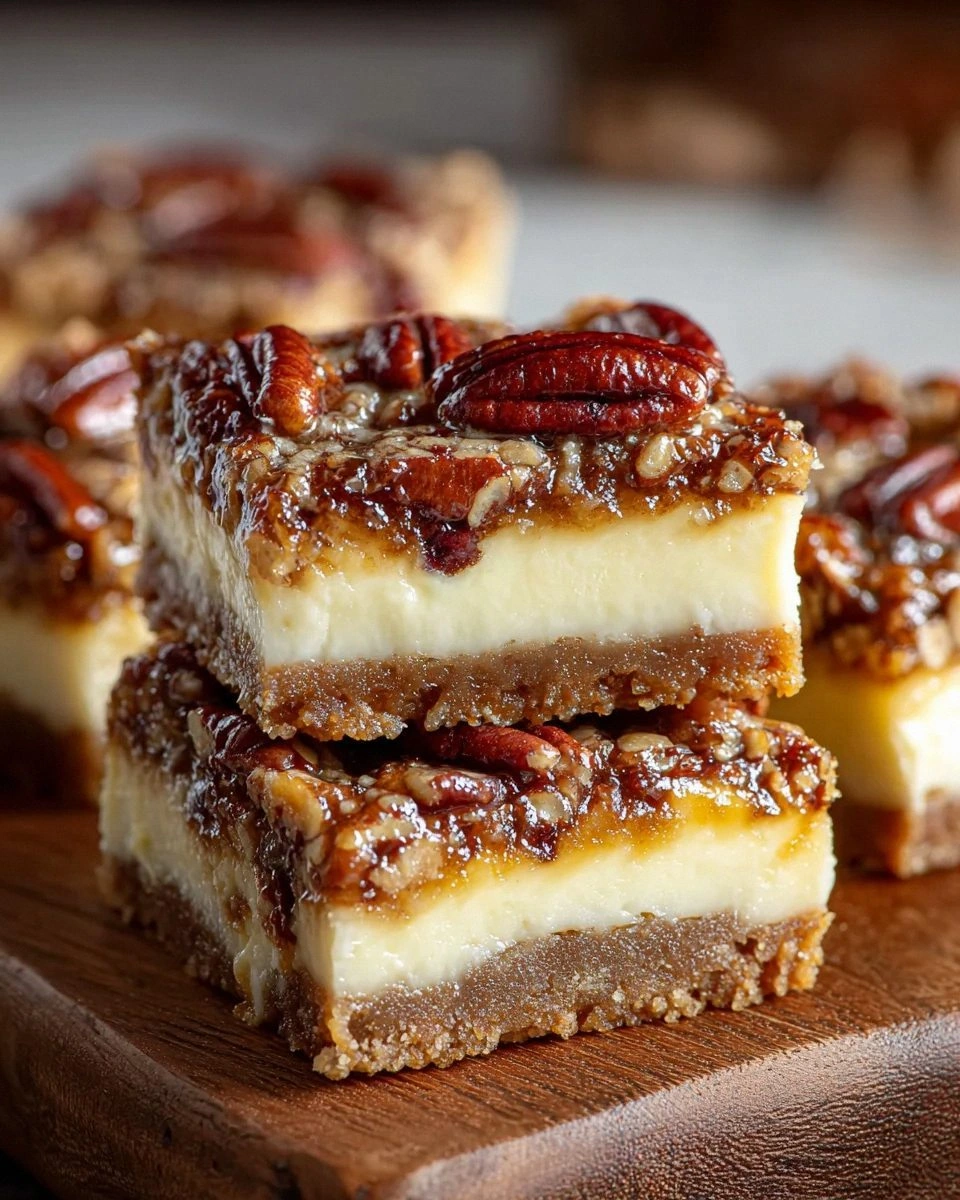
The moment you open the oven door, you’ll be greeted by a golden‑brown top that crackles like autumn leaves underfoot, while the interior gives way to a silky, tangy cheesecake that’s studded with crunchy pecan nuggets. The aroma? Imagine toasted wood, sweet butter, and a whisper of vanilla swirling together, coaxing even the most disciplined dieter to sneak a bite. The texture is a glorious contradiction: a buttery, crumbly crust that holds up to a fork, a luxuriously smooth filling that melts on your tongue, and a caramel‑kissed pecan topping that adds just the right amount of crunch. I dare you to taste this and not go back for seconds—because once you’ve experienced this perfect balance, ordinary desserts will feel like bland cardboard.
What makes this version truly stand out is the secret weapon I discovered during a late‑night grocery run: toasted pecans. Most recipes either skip the toasting step or use raw nuts, which leaves a flat, one‑dimensional flavor. By toasting the pecans until they’re deep amber and fragrant, you unlock a nutty depth that sings through every bite, turning the crust and topping into a flavor powerhouse. And let’s be real—most recipes get this completely wrong. Here’s what actually works: a double‑layered pecan infusion that gives you that unmistakable pecan‑pie taste without drowning the cheesecake in sugar.
Okay, ready for the game‑changer? I’m about to walk you through every single step—by the end, you’ll wonder how you ever made this dessert any other way. From the precise moment you melt butter into the flour, to the exact temperature that makes the cheesecake set without cracking, I’ve got the insider tips, the witty commentary, and the occasional kitchen confession (yes, I ate half the batch before anyone else got a chance). Stay with me here — this is worth it.
What Makes This Version Stand Out
- Flavor Explosion: The toasted pecans provide a smoky, caramel‑like depth that ordinary nuts simply can’t match, turning each bite into a celebration.
- Texture Harmony: A buttery crust, silky cheesecake, and crunchy topping create a three‑dimensional mouthfeel that keeps you reaching for more.
- Simplicity Meets Sophistication: Despite its gourmet vibe, the ingredient list is short, and the steps are straightforward enough for a weekend rookie.
- Unique Twist: Combining classic pecan pie with cheesecake isn’t just a mash‑up; it’s a culinary marriage that respects both traditions.
- Crowd‑Pleaser: Whether it’s a holiday gathering or a casual coffee date, this bar earns rave reviews and instant Instagram fame.
- Ingredient Quality: Using unsalted butter and real vanilla extract lets you control the flavor balance, avoiding that generic “store‑bought” taste.
- Cooking Method: Baking at a moderate temperature prevents cracking and ensures the topping caramelizes perfectly.
- Make‑Ahead Potential: The bars keep beautifully in the fridge for up to four days, making them perfect for meal‑prep dessert lovers.
Inside the Ingredient List
The Flavor Base
Toasted pecans: These nuts bring a delightful crunch and nutty essence that’s essential for both the crust and topping. Toasting enhances their natural flavor, creating a caramelized edge that pairs perfectly with the creamy filling. If you skip the toasting step, you’ll miss out on that deep, smoky undertone that makes the bar unforgettable. You can substitute with walnuts for a different flavor, but you’ll lose the signature pecan‑pie vibe.
Unsalted butter: This adds richness to both the crust and the cheesecake filling. Make sure to use unsalted for better control over the saltiness of the final dessert; you can always add a pinch of kosher salt later if needed. Butter should be melted gently, not browned, to keep the crust tender. If you’re dairy‑free, try a high‑quality coconut oil, but expect a subtle coconut aftertaste.
All‑purpose flour: Essential for the crust, it helps bind all the ingredients together while giving it a sturdy base to hold the creamy cheesecake. Using too much flour can make the crust dry, so measure carefully with a spoon‑and‑level method. Whole‑wheat flour can be used for a nuttier texture, though it will produce a denser crust.
The Texture Crew
Cream cheese: The star of the show! Creamy and smooth, it forms the base of the cheesecake filling. For the best results, let it soften at room temperature for at least 30 minutes; this prevents lumps and ensures a silky batter. If you accidentally use a low‑fat version, the texture will be less rich and may crack during baking.
Granulated sugar: Sweetens the cheesecake while enhancing the flavors of the cream cheese and pecans. It also helps with the slight caramelization on the surface. You can swap with superfine sugar for a smoother texture, but regular granulated works just fine.
Sour cream: This ingredient adds a touch of tanginess to the filling, balancing the sweetness and keeping it creamy. It also contributes to the light, airy crumb that prevents the bar from feeling heavy. Greek yogurt can be a stand‑in, though the flavor will be slightly more tart.
The Unexpected Star
Vanilla extract: A splash of vanilla adds warmth and depth to the cheesecake, making every bite feel special. Opt for pure vanilla extract; imitation can taste flat and may interfere with the caramel notes from the pecans. A vanilla bean pod, split and scraped, would elevate the flavor even further.
Large eggs: These bind the filling together. Room temperature eggs mix more smoothly, ensuring a silky texture. Over‑beating can incorporate too much air, leading to cracks; beat just until combined.
The Final Flourish
Chopped pecans: Additional chopped pecans for the topping add that signature pecan pie flavor. You can use bigger chunks for added texture, but keep them uniform so they toast evenly. If you’re allergic to nuts, toasted pumpkin seeds make a surprising and delightful alternative.
Light brown sugar: This brings a deeper sweetness and a hint of caramel flavor to the pecan topping. For a richer taste, consider using dark brown sugar, which contains more molasses and intensifies the caramel notes.
Heavy whipping cream: Adds richness to the topping, making it luscious and decadent. Whipping it gives that lovely thick texture that holds the pecans together. If you’re looking to cut calories, a half‑and‑half will work, but the topping won’t be as glossy.
Ground cinnamon: Just a sprinkle elevates the flavor profile with a warm spice that complements the pecans beautifully. It also adds a subtle aroma that makes the bar smell like a holiday kitchen.
Kosher salt: Even desserts need a pinch of salt! It balances the sweetness and enhances all the flavors. Use a fine grain for even distribution; flaky sea salt can be sprinkled on top for a finishing crunch.
Everything's prepped? Good. Let’s get into the real action…
The Method — Step by Step
Preheat your oven to 350°F (175°C) and line a 9×13‑inch baking pan with parchment paper, allowing extra overhang for easy removal. While the oven warms, melt the unsalted butter in a saucepan over low heat until it’s just bubbling—no browning. In a large bowl, whisk together the all‑purpose flour, 1 cup of toasted pecans, and a pinch of kosher salt, then pour in the melted butter, stirring until the mixture resembles coarse crumbs. Press this crumbly mixture firmly into the bottom of the pan, creating an even layer that will become your buttery crust. This is the moment of truth: the base should feel dense yet pliable, ready to hold the luscious filling.
Place the crust in the preheated oven for 10 minutes, just enough to set it without fully cooking. You’ll hear a faint sizzle as the butter hits the hot pan—a sound that promises a golden, crisp foundation. While the crust bakes, take a moment to toast the remaining pecans if you haven’t already; they should turn a deep amber and release a sweet, nutty perfume that fills the kitchen. Once the crust is lightly golden, pull it out and let it cool slightly while you prep the filling. This short bake prevents a soggy bottom later on.
In a stand mixer fitted with the paddle attachment, beat the softened cream cheese on medium speed until it’s silky and free of lumps—about 2 minutes. Add the granulated sugar and continue beating until the mixture lightens in color and feels airy, indicating the sugar has dissolved. Then, blend in the sour cream, vanilla extract, and the remaining 0.5 cup of toasted pecans, giving the batter a nutty undertone throughout. Finally, add the large eggs one at a time, mixing just until incorporated; over‑mixing can incorporate too much air, leading to cracks later.
Pour the cheesecake batter over the pre‑baked crust, spreading it with a spatula to the edges. The batter should sit evenly, like a smooth lake ready to freeze. Tap the pan gently on the counter three times to release any trapped air bubbles—this helps avoid those dreaded cracks on the surface. At this point, the kitchen smells like a bakery on a Sunday morning, with buttery notes mingling with a faint tang from the cream cheese.
Return the pan to the oven and bake for 25‑30 minutes, or until the edges are set and the center still has a slight wobble when you jiggle the pan. The top should develop a light golden hue, and a faint caramel scent will begin to rise—this is the perfect indicator that the cheesecake is cooking evenly. Resist the urge to open the oven door frequently; every time you do, you risk a temperature drop that can cause the center to crack.
While the cheesecake bakes, whisk together the light brown sugar, heavy whipping cream, ground cinnamon, and a tablespoon of melted butter in a small saucepan over medium heat. Cook, stirring constantly, until the mixture thickens into a glossy, caramel‑like sauce—about 5 minutes. Remove from heat and fold in the remaining chopped pecans, ensuring each nut is coated in the sweet, buttery glaze. This topping is the secret weapon that transforms a simple cheesecake into a pecan‑pie masterpiece.
When the cheesecake is done, remove it from the oven and let it sit for 10 minutes. Then, spoon the warm pecan topping over the surface, spreading it evenly with a spatula. The heat from the cheesecake will melt the sauce slightly, allowing it to seep into the edges and create a luscious, sticky crust. Let the entire pan cool to room temperature before transferring it to the refrigerator; this cooling period lets the flavors meld and the texture set firmly.
Refrigerate the bars for at least 2 hours, preferably overnight, to achieve the perfect sliceable consistency. When you’re ready to serve, use the parchment overhang to lift the whole slab out of the pan, then cut into generous bars with a sharp knife warmed in hot water—this prevents dragging the creamy filling. Each bar should showcase a glossy pecan top, a buttery crust, and a creamy interior that holds its shape. That’s it — you did it. But hold on, I’ve got a few more tricks that’ll take this to another level…
Insider Tricks for Flawless Results
The Temperature Rule Nobody Follows
Never bake a cheesecake straight from the fridge; always let the batter sit at room temperature for at least 30 minutes. This small step ensures the proteins in the cream cheese don’t seize up, which is the main cause of cracks. I once tried to rush the process, and the result was a cracked, uneven surface that looked like a shattered mirror. Trust me—this rule is the difference between a professional‑grade bar and a kitchen experiment gone wrong.
Why Your Nose Knows Best
Instead of obsessively watching the timer, train your nose to detect the perfect doneness. When the cheesecake is ready, you’ll smell a faint caramel aroma wafting from the top, and the edges will pull away slightly from the pan. If you’re still unsure, gently shake the pan; the center should wobble just a touch, like gelatin that’s set but still alive. Trusting your senses saves you from over‑baking, which can turn the creamy interior into a rubbery mess.
The 5‑Minute Rest That Changes Everything
After removing the cheesecake from the oven, let it rest uncovered for exactly five minutes before adding the pecan topping. This brief pause allows the surface to firm up just enough to hold the topping without sliding off. Skipping this step leads to a soggy top where the caramel pools at the edges. I once poured the topping while the cheesecake was still steaming hot, and the result was a sticky mess that clung to the pan. Five minutes—no more, no less.
Cool‑Then‑Chill, Not the Other Way Around
Cooling the bars at room temperature before refrigeration is crucial. If you plunge a hot cheesecake straight into the fridge, condensation forms, creating a watery layer that compromises the crust’s crunch. Letting it cool for at least 30 minutes on a wire rack releases steam and prevents sogginess. The final chill in the fridge is what gives the bars that perfect, slice‑ready firmness.
Slice Like a Pro
Warm your knife in hot water, wipe it dry, and then cut. The heat cuts through the creamy center cleanly, preventing the bars from smearing. A dull knife will tear the crust and create ragged edges that look unappetizing. I’ve seen many a home baker struggle with this, and the solution is surprisingly simple—just a quick dip in hot water.
Creative Twists and Variations
This recipe is a playground. Here are some of my favorite ways to switch things up:
Maple‑Bacon Pecan Bars
Swap half of the light brown sugar for pure maple syrup and fold in crisp‑fried bacon bits into the topping. The smoky bacon and sweet maple amplify the nutty flavor, creating a sweet‑savory combo that’s perfect for brunch.
Chocolate‑Swirl Delight
Stir ¼ cup of melted dark chocolate into the cheesecake batter before pouring it over the crust. The chocolate ribbons create a visual contrast and add a deep, bittersweet note that balances the sweet pecans.
Pumpkin Spice Version
Replace the vanilla extract with 2 teaspoons of pumpkin spice and add ½ cup of canned pumpkin puree to the filling. This autumnal twist turns the bars into a holiday staple, complete with warm spices and a velvety pumpkin undertone.
Coconut‑Lime Fusion
Substitute half of the heavy whipping cream with coconut cream and add a teaspoon of lime zest to the topping. The tropical flavors brighten the richness and give the bars a fresh, island‑inspired finish.
Gluten‑Free Adaptation
Use a blend of almond flour and gluten‑free oat flour for the crust, and ensure the pecans are processed in a nut‑free facility if needed. The texture remains buttery, and the flavor stays true to the original, making it safe for those with gluten sensitivities.
Storing and Bringing It Back to Life
Fridge Storage
Cover the bars loosely with foil or store them in an airtight container and keep them in the refrigerator for up to four days. The crust stays crisp, and the cheesecake retains its creamy texture. If you notice the top drying out, place a piece of parchment over the surface before sealing.
Freezer Friendly
Wrap each bar individually in plastic wrap, then place them in a freezer‑safe zip‑top bag. They’ll freeze beautifully for up to two months. To thaw, move the bars to the fridge overnight; the gentle thaw preserves the texture and prevents sogginess.
Best Reheating Method
When you’re ready to serve a chilled bar, warm it gently in a 300°F (150°C) oven for about 8‑10 minutes. Add a tiny splash of water to the pan before reheating; the steam helps the bar regain its luscious moisture without drying out. The result is a bar that’s warm on the outside, creamy in the middle, and still boasts that crunchy pecan topping.