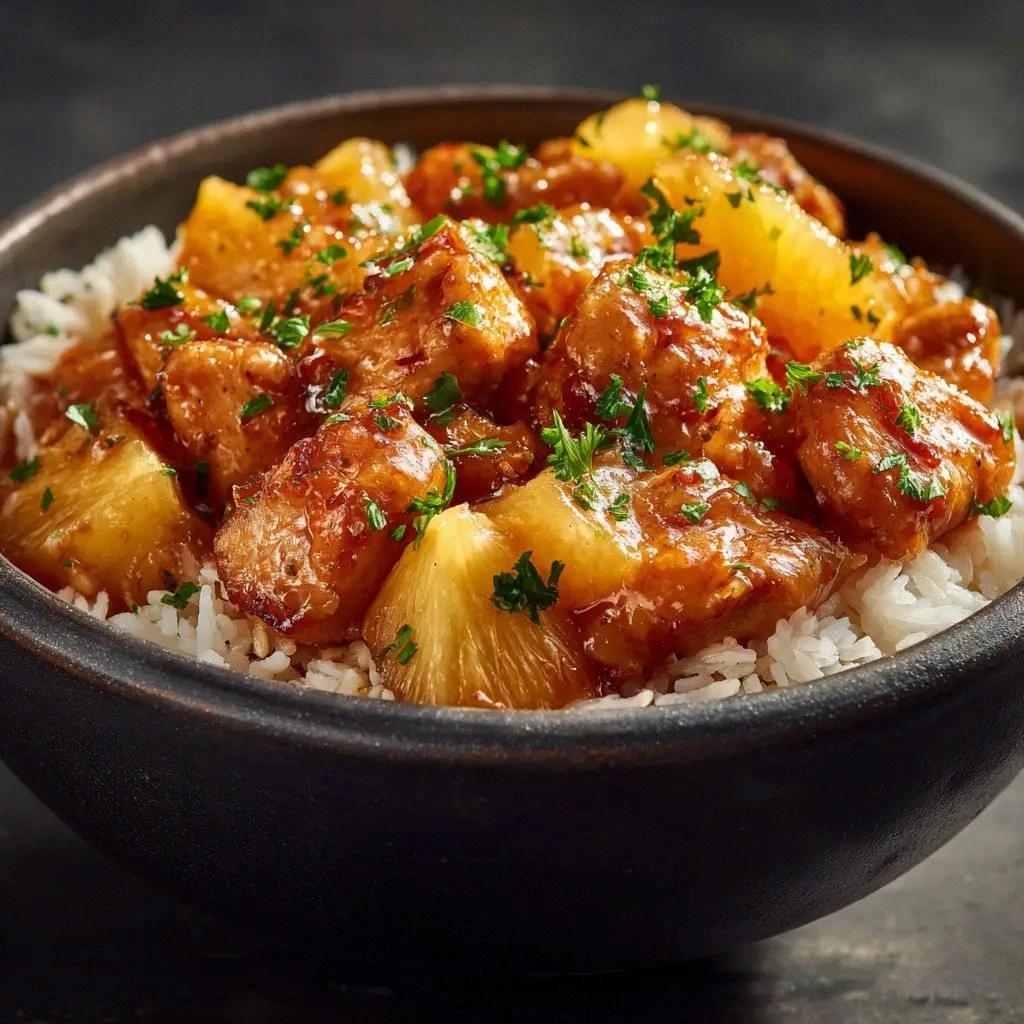
It was a Tuesday night, the kind of night when you’re scrolling through Pinterest, eyes glazed with a craving for something sweet and savory that will make your taste buds do a double‑tap. I was staring at the fridge, half‑filled with chicken breasts, a can of pineapple chunks, and a lonely packet of soy sauce, when I realized I had a kitchen disaster on my hands. I had just tried to make a classic stir‑fry, but the rice was clumpy, the chicken overcooked, and the sauce was a sad, watery mess. That night, I swore I’d create a dish that would make every ingredient sing and that would be the antidote to my culinary mishaps. It’s time to turn that disaster into a triumph.
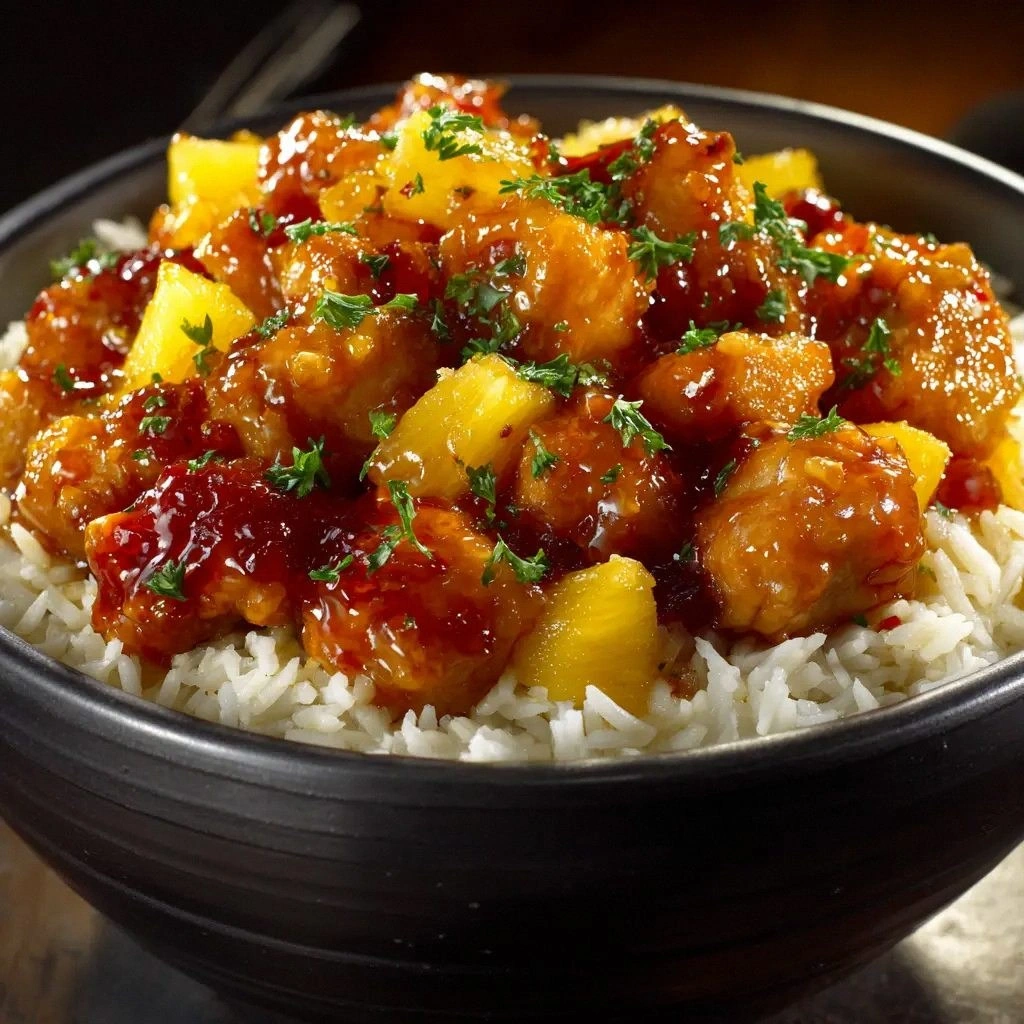
Picture the first bite: the juicy, tender chicken coated in a glossy, caramelized sauce that’s both salty and sweet, the pineapple chunks bursting with tropical flavor, and the rice so fluffy it practically dissolves in your mouth. The aroma is a warm hug, a fragrant blend of garlic, soy, and a hint of citrus from the vinegar. The sound of the skillet sizzles like a tiny fireworks show, and the texture is a delightful contrast between the crispy edges of the chicken and the soft, pillowy rice. This isn’t just a meal; it’s a sensory adventure that will have you dancing around the kitchen.
What makes this version stand out is that it’s a one‑pan, 30‑minute wonder that delivers everything you want in a quick dinner: flavor, convenience, and a touch of elegance. I’ve tweaked the sauce to coat the chicken like velvet, and the rice is cooked directly in the sauce for maximum flavor absorption. The pineapple isn’t just a garnish; it’s a star that provides natural sweetness and a hint of acidity that balances the richness of the soy. And the best part? You can prep everything in advance, so the dinner is practically ready when you walk in the door. I dare you to taste this and not go back for seconds.
Let me walk you through every single step — by the end, you’ll wonder how you ever made it any other way. This recipe is not just another dish; it’s a confidence booster for the kitchen, a way to prove to yourself that a simple meal can be extraordinary.
What Makes This Version Stand Out
- Flavor: The sauce is a balanced blend of sweet, salty, and tangy notes that envelop every bite, making it a crowd‑pleaser that feels gourmet.
- Texture: The chicken achieves a caramelized crust while staying moist inside, and the rice stays fluffy rather than mushy, thanks to the careful timing and liquid ratios.
- Convenience: One pan, one pot, one pot of sauce—no cleanup frenzy, just pure satisfaction.
- Ingredient Quality: Using 100% pineapple juice and low‑sodium soy sauce keeps the dish bright and not overly salty, while the chicken breasts stay lean and tender.
- Time Efficiency: From prep to plate, it’s a 45‑minute affair, perfect for busy weeknights.
- Versatility: Swap the protein for shrimp, tofu, or even beef, and the dish adapts flawlessly.
- Make‑Ahead Potential: Cook the rice and sauce in advance, reheat, and the flavors only deepen.
- Presentation: The bright pineapple chunks create a pop of color that makes the plate Instagram‑worthy.
Alright, let's break down exactly what goes into this masterpiece...
Inside the Ingredient List
The Flavor Base
The 1.5 lbs boneless, skinless chicken breasts are the star protein. They absorb the sauce’s flavors while providing a lean source of protein that keeps the dish light. If you’re a fan of extra juiciness, marinate the chicken in a splash of soy sauce and a pinch of black pepper before browning.
The 1 cup long‑grain white rice is the canvas that soaks up the sauce. Long‑grain rice stays separate and fluffy, unlike short‑grain varieties that become sticky. If you prefer a healthier twist, swap with jasmine or basmati for a fragrant, aromatic base.
The Sweet and Tangy Star
The 1 can (20 oz) pineapple chunks in 100% juice add natural sweetness and a subtle acidity that cuts through the richness of the chicken and soy. The juice is essential; it prevents the dish from feeling dry and gives the sauce a glossy finish. If you’re feeling adventurous, use fresh pineapple chunks for a fresher, brighter bite.
The Savory Backbone
The 1.5 cups low‑sodium chicken broth is the liquid that cooks the rice and creates the sauce’s depth. Low‑sodium ensures you control the saltiness, preventing an over‑salty outcome. If you don’t have broth on hand, replace it with water and add a bouillon cube for flavor.
The 1 tbsp olive oil is the medium that creates a caramelized crust on the chicken. It also helps the garlic and onion release their aromas. For a healthier version, use avocado oil or a neutral oil with a high smoke point.
The Aromatics and Color
The 1 medium onion, finely diced, provides sweetness and depth as it caramelizes. It also balances the pineapple’s acidity. The 2 cloves garlic, minced, add a pungent kick that elevates the sauce. If you’re allergic to garlic, a small pinch of garlic powder can substitute, but the fresh flavor is irreplaceable.
The 1 red bell pepper, sliced into thin strips, offers a sweet crunch and a pop of color that makes the dish visually appealing. The pepper’s natural sugars caramelize slightly, adding another layer of sweetness that complements the pineapple.
The Sauce Essentials
The 1/4 cup low‑sodium soy sauce is the umami backbone, giving the dish its savory depth. Its saltiness balances the sweetness of the pineapple. If you prefer a gluten‑free version, use tamari.
The 2 tbsp rice vinegar adds a bright, tangy note that cuts through the richness and prevents the sauce from feeling cloying. The acidity also helps tenderize the chicken. A dash of lemon juice can replace rice vinegar for a citrusy twist.
The 1 tbsp brown sugar provides a caramelized sweetness that coats the chicken and creates a glossy finish. If you’re watching calories, reduce to 1 tbsp honey or agave syrup for a natural sweetener.
The 1 tbsp cornstarch, dissolved in a splash of water, acts as a thickening agent, giving the sauce a silky, cohesive texture. It also helps the sauce cling to the chicken and rice. For a gluten‑free alternative, use arrowroot or tapioca starch.
Everything's prepped? Good. Let's get into the real action...
The Method — Step by Step
- Heat the olive oil in a large, deep skillet or sauté pan over medium‑high heat. Add the diced onion and cook until it becomes translucent and slightly golden, about 3–4 minutes. This step builds the aromatic foundation of the dish; the onions should feel soft yet still hold a hint of bite. Keep stirring so they don’t brown too quickly.
- Add the minced garlic and sliced red bell pepper to the pan, sautéing for another 2 minutes until the pepper softens but still retains a slight crunch. The garlic should give off a fragrant, almost nutty aroma. Watch the garlic closely—once it turns golden, it’s a sign the flavor is ready to bloom.
- Push the veggies to the side of the pan and lay the chicken pieces in a single layer. Let them sear untouched for 3 minutes; this creates a beautiful golden crust. Flip the chicken and sear the other side for another 2–3 minutes. The key is not to rush; the chicken should develop a caramelized exterior that locks in juices.
- Pour the low‑sodium soy sauce and rice vinegar into the pan, stirring to deglaze and lift any browned bits from the bottom. These bits are flavor gold, so make sure to scrape them into the sauce. The liquid should reduce slightly, intensifying the umami notes.
- Add the brown sugar and stir until dissolved. Then, pour in the pineapple chunks with their juice, ensuring the sauce coats the chicken and rice. At this point, the mixture should smell sweet and slightly tangy—like a tropical sunset.
- Sprinkle the cornstarch slurry over the mixture, stirring quickly to prevent clumps. The sauce will begin to thicken almost immediately, forming a glossy glaze that clings to each piece. This is the moment of truth—watch the sauce bubble and thicken; it should coat the chicken like a velvet blanket.
- Reduce the heat to medium‑low and add the long‑grain rice, stirring to combine. Then, pour in the low‑sodium chicken broth, ensuring the rice is evenly distributed. Cover the pan with a tight‑fitting lid and let it simmer for 18–20 minutes, or until the rice is tender and has absorbed all the liquid. Avoid lifting the lid; the steam is essential for proper rice cooking.
- When the rice is cooked, remove the lid and let the dish steam for an additional 5 minutes. This final rest allows the flavors to meld and the rice to fluff up. Then, give everything a gentle stir to distribute the sauce evenly.
- Taste the sauce and adjust seasoning if needed—add a splash of soy sauce for more salt or a pinch of black pepper for heat. The dish should balance sweet, salty, and tangy flavors, with a hint of citrus from the vinegar. Serve hot, straight from the pan, for the best experience.
That’s it—you did it. But hold on, I've got a few more tricks that'll take this to another level…
Insider Tricks for Flawless Results
The Temperature Rule Nobody Follows
Many cooks think high heat is always better, but for this dish, medium‑low heat during the rice simmer is crucial. It allows the rice to cook evenly without scorching the bottom. I’ve found that a slightly lower heat reduces the risk of the sauce boiling over and keeps the chicken tender.
Why Your Nose Knows Best
If the sauce smells slightly burnt or metallic, stop the heat immediately. The smell is a cue that the soy sauce or cornstarch is overcooking. A quick stir and a splash of broth can rescue the dish. Trust your nose—it’s your best ally in the kitchen.
The 5‑Minute Rest That Changes Everything
After you finish cooking, let the pan sit covered for 5 minutes before serving. This short rest allows the rice to steam in its own moisture, resulting in a fluffier texture. I’ve seen this trick turn a good dish into a memorable one.
Use Fresh Pineapple for Extra Brilliance
If you have fresh pineapple on hand, cut it into bite‑sized cubes and sauté it briefly before adding the sauce. The fresh fruit gives a brighter, more vibrant flavor and a slightly firmer texture. It’s a small change that elevates the dish.
Serve with a Splash of Lime
A squeeze of lime over the finished dish adds a zesty brightness that cuts through the sweetness. It’s a simple garnish that can transform the flavor profile, especially if you’re serving this to guests who love a bit of acidity.
Creative Twists and Variations
This recipe is a playground. Here are some of my favorite ways to switch things up:
The Tropical Twist
Swap the pineapple with diced mango and add a pinch of chili flakes for a sweet‑spicy tropical flavor. The mango’s natural sugars will complement the soy sauce, and the chili will give a subtle heat that’s surprisingly balanced.
The Veggie‑Rich Version
Add sliced carrots, broccoli florets, and snow peas in the last 5 minutes of cooking. The vegetables retain their crunch and add a colorful contrast, making the dish more nutritious and visually appealing.
The Shrimp Upgrade
Replace the chicken with peeled shrimp, cooking them just until pink. Shrimp cooks faster, so reduce the simmer time to 12 minutes. The result is a lighter, seafood‑centric dish that’s perfect for summer.
The Gluten‑Free Fix
Use tamari instead of soy sauce, and ensure the cornstarch is gluten‑free. The flavor remains intact, and you can serve it to guests with gluten sensitivities without compromising taste.
The Protein Swap
Try tofu for a vegetarian option. Press the tofu to remove excess moisture, then pan‑sear it until golden before adding the sauce. The tofu will soak up the flavors beautifully.
The Spicy Kick
Add a tablespoon of Sriracha or a handful of crushed red pepper flakes to the sauce. The heat will pair nicely with the sweetness of the pineapple and create a bold, complex flavor profile.
Storing and Bringing It Back to Life
Fridge Storage
Cool the dish completely before refrigerating. Store in an airtight container for up to 4 days. The flavors will deepen, making it even more delicious.
Freezer Friendly
Pack the dish in freezer‑safe containers, leaving a small gap for expansion. Freeze for up to 3 months. When ready, thaw overnight in the fridge and reheat gently.
Best Reheating Method
Reheat in a skillet over medium heat, adding a splash of water or broth to keep the rice moist. Stir occasionally until heated through. The sauce will regain its glossy sheen.