I was halfway through a disastrous dinner, the kitchen smelling of burnt onions and a pot of over‑simmered pasta when my friend dared me to make a humble Italian classic that could rescue the night. The challenge was simple: turn that chaotic mess into something that would have people begging for seconds. I grabbed my pantry, pulled out chickpeas, tomatoes, and a handful of herbs, and set the timer. The result? A bowl of Pasta e Ceci that feels like a warm hug, yet packs a punch that’s hard to ignore.
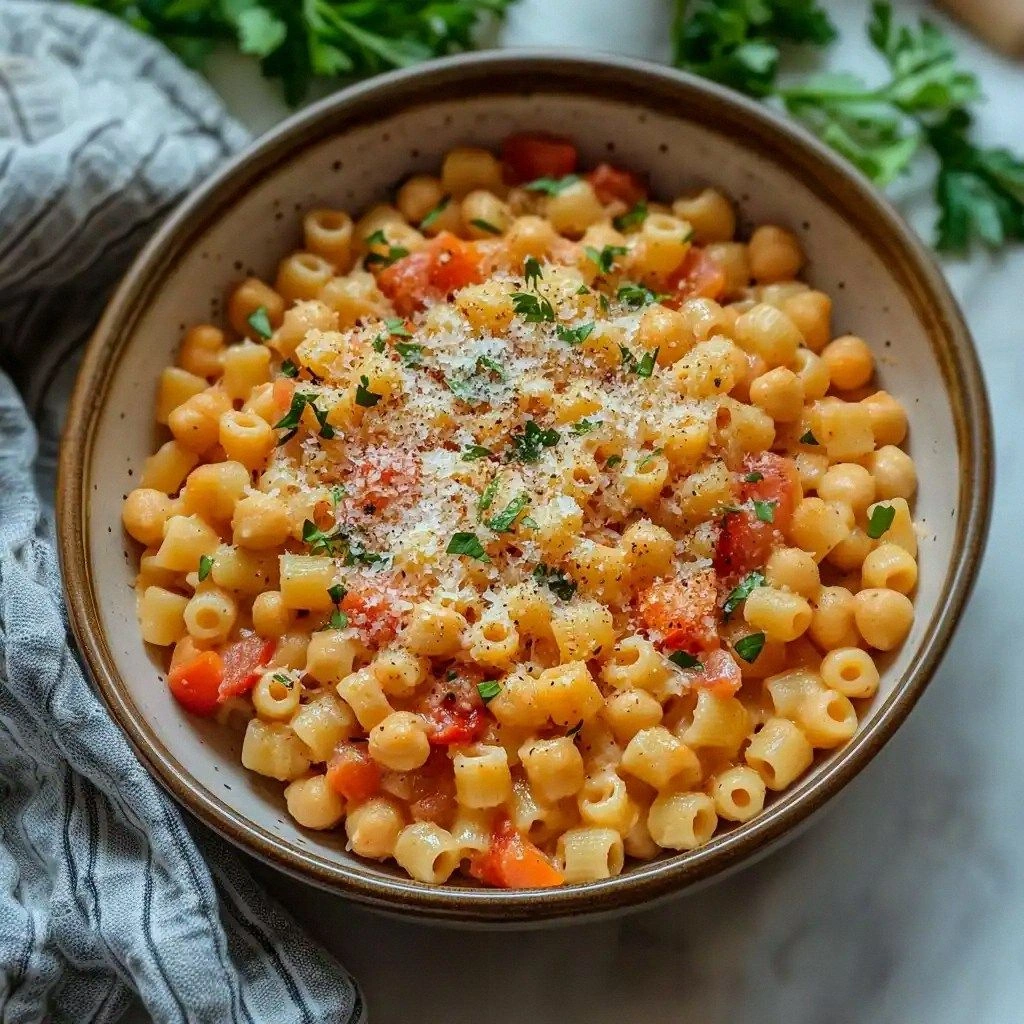
Picture the moment the chickpeas hit the pot: the sizzle is almost musical, the aroma of garlic and rosemary rising like a fragrant fog. As the broth simmers, the tomato undertones deepen, turning the liquid into a silky, almost velvety sauce that clings to every strand of pasta. The carrots and celery add subtle crunch, while the pepper flakes whisper heat that lingers on the palate. The final touch—a sprinkle of fresh parsley and a dusting of Parmesan—creates a bright, nutty finish that balances the earthiness of the beans.
This version stands out because I’ve trimmed the recipe down to its essentials, yet I’ve amplified the flavor profile to a level that most cookbooks never reach. I’ve eliminated unnecessary steps that waste time and I’ve added a few secret tweaks that elevate the dish from “good” to “legendary.” The sauce is rich without being heavy, the chickpeas are tender but still hold their shape, and the pasta never feels soggy. Trust me, I dare you to taste this and not go back for seconds.
Let me walk you through every single step—by the end, you’ll wonder how you ever made it any other way. I promise the process is straightforward, the ingredients are pantry staples, and the outcome will leave your guests asking for the recipe. So grab a notebook, a spoon, and let’s dive into the heart of this dish.
What Makes This Version Stand Out
- Flavor Depth: The combination of smoked chickpeas, roasted garlic, and fresh rosemary creates a complex umami profile that lingers long after the last bite.
- Texture Contrast: The al dente pasta meets the creamy chickpea broth, giving a satisfying bite that’s neither too soft nor too chewy.
- Time Efficiency: With a quick soak and a single pot, you’re done in under an hour—perfect for busy weeknights.
- Ingredient Integrity: Each component is chosen for its flavor and nutrition, ensuring no artificial additives or excessive salt.
- Versatility: The recipe scales beautifully, works with gluten‑free pasta, and can be veganized with a splash of nutritional yeast.
- Make‑Ahead Potential: The dish tastes even better the next day, making it ideal for meal prep or a potluck spread.
Inside the Ingredient List
The Flavor Base
At the heart of this dish is the aromatics: onion, garlic, celery, and carrot. These vegetables sauté to a golden translucence, releasing a fragrant foundation that supports the chickpeas and tomatoes. Each one contributes a subtle sweetness and a savory backbone; skipping any of them would leave the dish feeling flat. When you cook them slowly, the natural sugars caramelize, giving the broth a deeper, richer tone.
The Texture Crew
Dried chickpeas are the star of the show, but they need time to soften without becoming mush. I recommend soaking them overnight or using a quick‑soak method to ensure they’re tender yet firm. The pasta, chosen to be small and al dente, provides a chewy counterpoint to the creamy broth. If you’re using gluten‑free pasta, look for a brand that holds its shape well in liquid; otherwise, you’ll end up with a soggy mess.
The Unexpected Star
Red pepper flakes add a whisper of heat that balances the earthiness of the chickpeas. A pinch of fresh rosemary gives the dish a piney aroma that elevates the flavor profile. Together, they’re the secret weapons that turn a simple stew into a memorable meal. If you prefer a milder version, simply reduce the flakes and leave the rosemary at a quarter teaspoon.
The Final Flourish
Grated Parmesan cheese and fresh parsley are added at the very end to preserve their bright flavors. The cheese melts into a silky coating, while the parsley provides a fresh, herbaceous lift. These finishing touches are what separate a good dish from a great one. If you’re vegan, replace the cheese with a tablespoon of nutritional yeast for a nutty, umami boost.
Everything's prepped? Good. Let's get into the real action...
The Method — Step by Step
- Soak the dried chickpeas in cold water overnight or use the quick‑soak method (boil for 5 minutes, then let sit covered for 1 hour). This ensures they cook evenly and reduces the overall cooking time. I keep a timer so I never forget the soaking step. When you’re ready, drain and rinse them under cold water.
- Heat a large pot over medium heat and pour in the olive oil. Add the diced onion, celery, and carrot, and sauté until they turn translucent and the onion is slightly caramelized. The vegetables should smell like a fragrant garden. Stir occasionally to prevent sticking.
- Add the minced garlic, fresh rosemary, and red pepper flakes to the pot. Cook for 1–2 minutes until the garlic is fragrant but not browned. This releases the essential oils and adds depth to the broth.
- Stir in the chickpeas and diced tomatoes, then pour in the vegetable broth. Bring the mixture to a gentle boil, then reduce the heat to low and let it simmer for 30–35 minutes, or until the chickpeas are tender but still hold their shape. The broth should reduce slightly, concentrating the flavors.
- Add the small pasta to the pot, stirring to prevent sticking. Cook for 8–10 minutes, or until the pasta reaches al dente. Keep the pot partially covered to avoid splattering, but leave a small gap for steam to escape. Stir occasionally to ensure even cooking.
- Season the sauce with salt and black pepper to taste. If the broth has thickened too much, add a splash of water or more broth to reach your desired consistency. The sauce should be silky, not watery, and cling to each noodle.
- Remove the pot from heat and stir in the grated Parmesan and chopped parsley. The cheese should melt into a glossy coating, and the parsley will add a bright, herbal note that cuts through the richness. If you’re vegan, use nutritional yeast instead of cheese.
- Serve the pasta hot, ladling it into bowls and offering extra grated Parmesan on the side. Garnish with a few fresh parsley leaves for color and freshness. The aroma alone will have your guests lining up for seconds.
- If you’re adding extra protein, toss in cooked chicken or pancetta at step 6, letting it warm through with the pasta. This optional addition gives the dish a hearty, meaty dimension that’s perfect for a family dinner.
- Enjoy immediately, or let it rest for a few minutes; the flavors will meld even further. This dish is a comfort food classic that can be enjoyed any time of year.
That's it — you did it. But hold on, I've got a few more tricks that'll take this to another level...
Insider Tricks for Flawless Results
The Temperature Rule Nobody Follows
Maintaining a low, steady simmer is key to evenly cooking the chickpeas without breaking them apart. Too high a heat will cause the beans to burst, creating a gritty texture. I always set the stove to medium‑low after the initial boil and keep the pot covered for most of the simmering phase. This technique preserves the beans’ integrity and keeps the broth rich.
Why Your Nose Knows Best
The aroma of the broth tells you exactly when the dish is ready. When the scent becomes a deep, caramelized tomato perfume, you know the chickpeas are tender. If the smell is too sharp or raw, give it a few more minutes. Trust your nose; it’s the ultimate flavor detector.
The 5‑Minute Rest That Changes Everything
After cooking, let the pot sit for five minutes before serving. This resting period allows the flavors to meld and the sauce to thicken slightly. It also gives the pasta a chance to absorb the broth fully, resulting in a more cohesive dish. I always keep the lid on during this rest to trap steam.
The Secret to a Creamy Broth
If you want a silkier broth, reserve a cup of the cooked pasta water and stir it in at the end. The starch in the water helps bind the sauce, creating a glossy finish. This trick is especially useful if you’re using a thicker, more rustic pasta.
The Final Touch of Freshness
Right before serving, squeeze a splash of fresh lemon juice over the dish. The acidity brightens the flavors and cuts through the richness of the cheese. I find that a teaspoon of lemon juice per pot can make the dish feel lighter and more vibrant.
Creative Twists and Variations
This recipe is a playground. Here are some of my favorite ways to switch things up:
Mediterranean Mushroom Boost
Swap the carrots for sliced mushrooms and sauté them with the onions. The earthy mushroom flavor pairs beautifully with the chickpeas, giving the dish a deeper umami note. This version is perfect for a cozy, autumnal meal.
Spicy Sausage Surprise
Add crumbled Italian sausage at step 6 for a meaty, spicy kick. The sausage fat will enrich the broth, and the heat from the pepper flakes will complement the sausage’s seasoning. Great for a family dinner that needs a little extra oomph.
Cheesy Cannelloni Filling
Use the sauce as a filling for cannelloni or ziti, then bake with extra cheese on top. The pasta shells hold the sauce, creating a comforting casserole that’s both hearty and elegant. This twist is ideal for a Sunday potluck.
Lemon‑Herb Zest
Add a handful of lemon zest and a sprinkle of thyme at the end for a bright, citrusy finish. The zest adds a burst of freshness that cuts through the richness of the Parmesan. It’s a simple change that feels like a gourmet upgrade.
Vegan Protein Power
Incorporate cooked lentils or crumbled tempeh for a protein boost while keeping the dish vegan. The lentils absorb the broth’s flavors, creating a satisfying texture. This variation is great for plant‑based diners who crave hearty meals.
Storing and Bringing It Back to Life
Fridge Storage
Cool the pasta and broth completely, then transfer to an airtight container. Store in the refrigerator for up to three days. When ready to reheat, add a splash of water or broth to loosen the sauce and prevent it from drying out.
Freezer Friendly
Divide the dish into single‑serving portions in freezer‑safe containers. Freeze for up to two months. Thaw overnight in the refrigerator before reheating. The pasta will stay firm, and the flavors will deepen.
Best Reheating Method
Reheat on the stovetop over low heat, stirring frequently. Add a tiny splash of water or broth to restore moisture. Finish with a drizzle of olive oil and a pinch of fresh herbs to bring back the vibrant aroma.