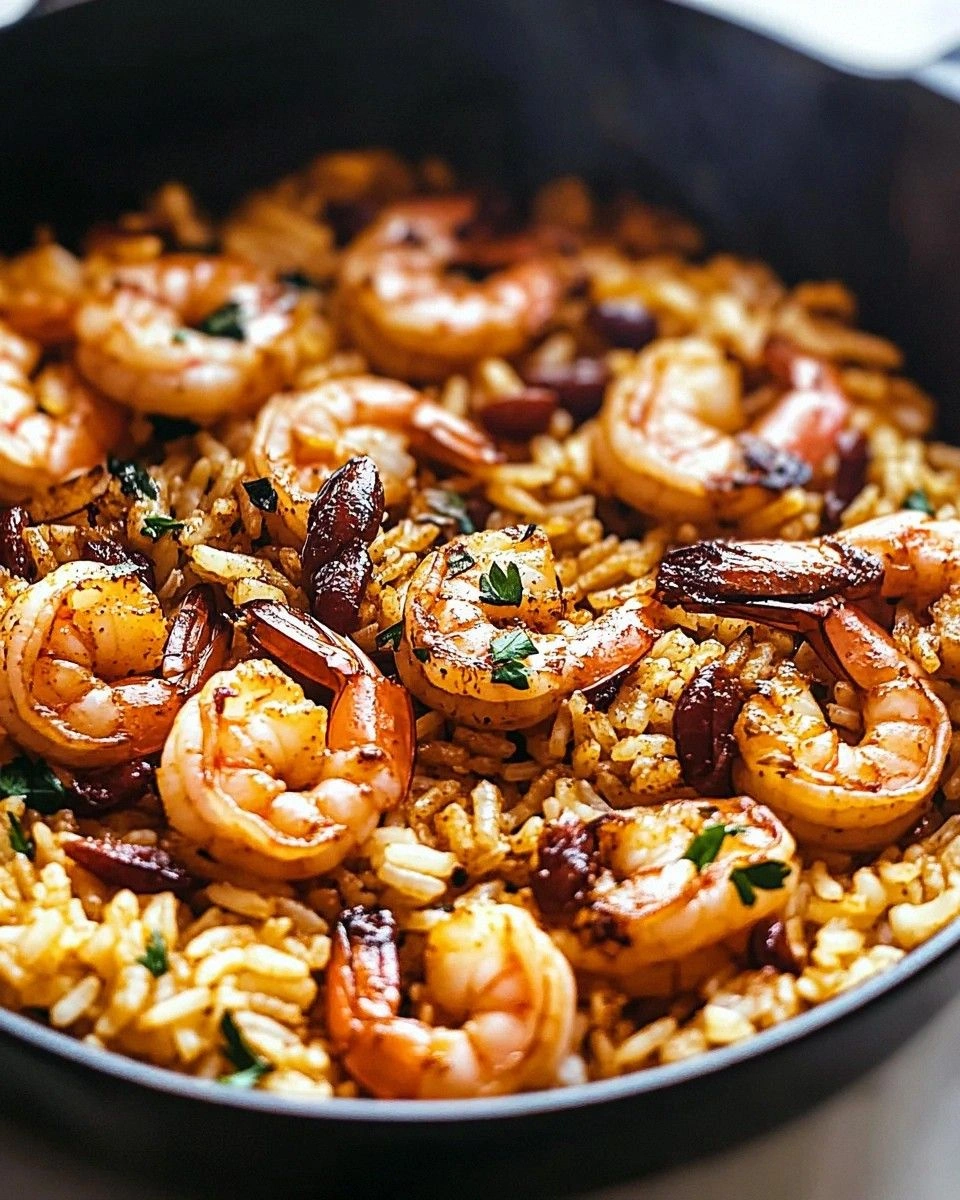
I still remember the night I accidentally created the most addictive Cajun shrimp and rice skillet of my life. It was one of those chaotic Tuesday evenings where my pantry looked like a tornado had swept through, leaving me with a half-empty bag of rice, some frozen shrimp that was starting to form ice crystals, and a spice cabinet that basically just had Cajun seasoning and hope. My family was circling the kitchen like vultures, making those passive-aggressive "what's for dinner" comments that every home cook loves to hear. In a moment of pure desperation, I threw everything into my largest skillet, cranked the heat to high, and prayed to the culinary gods for mercy.
What happened next was nothing short of magical. The rice toasted in the hot oil until it smelled like popcorn at the county fair, each grain developing those gorgeous golden edges that whispered promises of nutty flavor. The Cajun seasoning hit the pan and bloomed into this incredible aroma that had my neighbors knocking on the door to ask what I was making. When those plump shrimp hit the sizzling surface, they curled into perfect crescents while soaking up every bit of that spicy, herbaceous magic. The whole thing came together in under thirty minutes, and let me tell you something — I ate three bowls standing at the stove before I even called anyone to the table.
Now here's where it gets interesting. Most Cajun shrimp and rice recipes treat the rice like an afterthought, dumping it in with everything else and hoping for the best. They end up with mushy, flavorless grains that taste like disappointment with a side of "meh." This version? We toast the rice first, building layers of flavor that would make a Louisiana grandmother weep with joy. The technique is so simple that you'll wonder why every recipe doesn't do it, but the results are so dramatic that you'll never go back to the old way. Picture yourself pulling this skillet off the stove, the rice perfectly fluffy with each grain separate and coated in that addictive Cajun spice blend, the shrimp pink and tender with those slightly crispy edges that make you close your eyes when you bite into them.
Let me walk you through every single step — by the end, you'll wonder how you ever made it any other way. This isn't just another weeknight dinner recipe; it's your new secret weapon for impressing guests, feeding picky eaters, and satisfying those deep, primal cravings for something spicy and comforting all at once. I dare you to taste this and not go back for seconds, because I've been making this dish for three years now and I still haven't managed to have leftovers.
What Makes This Version Stand Out
Flavor Bomb: We start by toasting the rice in butter and oil until it turns golden and nutty, creating a depth of flavor that most recipes completely miss. This simple step transforms plain white rice into something that tastes like it's been simmering in a Cajun kitchen for hours.
One-Pan Wonder: Everything cooks in a single skillet, which means fewer dishes and more importantly, all those gorgeous browned bits at the bottom get scraped up and incorporated into the final dish. Those crispy, caramelized morsels are pure gold.
Shrimp Perfection: Instead of adding shrimp at the beginning and ending up with rubbery seafood, we add them at the exact right moment so they stay plump and tender with those slightly crispy edges that make you want to eat them like popcorn.
Spice Harmony: The Cajun seasoning gets bloomed in hot fat before any liquid hits the pan, unlocking essential oils and aromatics that create a complexity you can't achieve by just sprinkling it on at the end.
Texture Paradise: The rice maintains its individual grain texture while absorbing maximum flavor, creating a dish that's both creamy and toothsome, never mushy or boring.
Weeknight Hero: From fridge to table in 35 minutes flat, this dish has saved my dinner plans more times than I can count. It's faster than takeout and infinitely more satisfying.
Leftover Legend: If you somehow manage to have leftovers, this dish actually gets better overnight as the flavors meld together. I've been known to make a double batch just for the leftovers.
Crowd Pleaser: Kids love it, adults crave it, and even your pickiest eaters will ask for seconds. The spice level is perfectly balanced — noticeable but not overwhelming.
Inside the Ingredient List
The Flavor Base
The holy trinity of Cajun cooking starts with onions, bell peppers, and celery, but we're taking it up a notch with some clever additions. The onion gets diced small so it melts into the background, providing sweetness that balances the heat from the spices. Bell peppers add that grassy, fresh note that makes the whole dish taste alive — I prefer using half green pepper for that authentic Cajun bite and half red pepper for a touch of sweetness. Celery might seem optional, but trust me, it adds an aromatic quality that you can't replicate with any other ingredient.
Garlic gets added at two different stages for maximum impact. The first addition gets sautéed with the vegetables, creating that classic aromatic base. The second addition goes in right before the liquid, giving you those bright, punchy garlic notes that make people ask "what's your secret?" The butter and oil combination is crucial here — butter for flavor, oil for its higher smoke point. This duo creates the perfect environment for toasting our rice to golden perfection.
The Texture Crew
Long-grain white rice is the unsung hero of this dish, and selecting the right kind matters more than you'd think. Basmati or jasmine rice will work, but they bring their own floral notes that compete with the Cajun spices. Plain long-grain rice is like a blank canvas, ready to soak up every bit of flavor we throw at it. The key is getting that rice nice and toasty before any liquid touches it — you want to see the grains turn from translucent to opaque with golden edges.
The shrimp selection can make or break this dish. Fresh is fantastic, but frozen works beautifully if you know the secret. Look for shrimp that's been flash-frozen at sea — it actually maintains better texture than "fresh" shrimp that's been sitting on ice for days. Size matters here, and I firmly believe that large shrimp (26-30 count per pound) hit the sweet spot. They're substantial enough to stay juicy but not so big that they overwhelm each bite.
The Unexpected Star
Here's where I lose some people, but stay with me — a splash of Worcestershire sauce is the secret ingredient that makes this dish sing. It adds that umami depth that makes people ask "what's in this?" without being able to pinpoint exactly what they're tasting. The anchovy-based sauce melts into the background, providing a savory backbone that amplifies all the other flavors.
Tomato paste gets caramelized in the pan until it turns from bright red to a deep mahogany color. This concentrates the natural sugars and creates those complex, jammy notes that make restaurant dishes taste better than home cooking. Don't rush this step — let it cook until it starts to stick to the bottom of the pan and smell slightly sweet rather than acidic.
The Final Flourish
Green onions serve double duty in this recipe. The white parts get sautéed with the vegetables, adding a milder onion flavor, while the green tops get sprinkled on at the end for that fresh, crisp finish. It's like getting two ingredients in one, and that pop of green makes the whole dish look restaurant-worthy.
Lemon might seem out of place in a Cajun dish, but that bright acidity at the end is what makes all the heavy, rich flavors feel balanced. Just a squeeze wakes everything up and makes you want to keep eating bite after bite. It's the difference between a good dish and a dish that makes people fight over the last spoonful.
The Method — Step by Step
- Start by patting your shrimp completely dry with paper towels — this is crucial for achieving that gorgeous sear. Season them generously with half the Cajun seasoning, salt, and pepper. Let them sit while you prep everything else; this dry brine helps season them throughout. Heat your largest skillet over medium-high heat until a drop of water dances across the surface, then add the butter and oil. When the butter stops foaming and starts to smell nutty, you're ready for the magic to begin.
- Slide those shrimp into the hot fat in a single layer — hear that sizzle? That's the sound of flavor being born. Don't you dare move them for the first 90 seconds; let them develop that gorgeous golden crust. When the edges turn pink and start to curl, flip them over and cook for another 45 seconds max. Remove them immediately to a plate — they'll finish cooking later, and overcooked shrimp are a tragedy I wouldn't wish on my worst enemy.
- Now here's where most recipes go wrong, but we're going to get it right. Add the diced onion, bell pepper, and celery to the same skillet. Don't worry about those browned bits on the bottom — that's pure flavor gold. Cook until the vegetables start to soften and the onions turn translucent, about 5 minutes. Add the garlic and cook for another 30 seconds until your kitchen smells like you died and went to Louisiana heaven.
- This next part? Pure magic. Add the rice to the vegetable mixture and stir constantly for 3-4 minutes. You want every grain coated in that flavorful fat and starting to turn golden at the edges. The rice will start making little popping sounds — that's exactly what you want to hear. This toasting step is what separates restaurant-quality rice from the sad, mushy stuff most people make at home.
- Clear a space in the center of the pan and add the tomato paste. Let it cook for 2 minutes, stirring constantly, until it turns from bright red to a deep brick color. This caramelization concentrates the sugars and creates incredible depth. Stir in the remaining Cajun seasoning and let it bloom in the hot fat for 30 seconds. Your kitchen should smell like you opened a Cajun restaurant.
- Pour in the chicken stock, Worcestershire sauce, and add the bay leaf. The liquid should come to a rapid boil immediately — this temperature shock helps the rice cook evenly. Stir once to combine, then resist the urge to stir again. Reduce the heat to low, cover tightly with a lid, and let it simmer for 18 minutes exactly. Set a timer and walk away; lifting the lid releases steam and ruins the cooking process.
- After 18 minutes, remove the pan from heat but don't lift the lid yet. Let it sit for 5 minutes — this steaming step is what makes the rice perfectly fluffy. Remove the lid, fluff with a fork, and gently fold in the cooked shrimp. The residual heat will warm them through without overcooking. Taste and adjust seasoning with salt, pepper, and a squeeze of lemon juice.
- That's it — you did it. But hold on, I've got a few more tricks that'll take this to another level...
Insider Tricks for Flawless Results
The Temperature Rule Nobody Follows
Most home cooks are terrified of high heat, but this dish needs it to develop those complex, caramelized flavors. Start with medium-high for the vegetables, then crank it up to high when you add the rice. The high heat toasts the rice grains quickly without burning them, creating that nutty flavor that makes people ask for your secret. If you're using an electric stove, let the pan heat for a full 3 minutes before adding anything. The pan should be hot enough that a drop of water instantly evaporates on contact.
But here's the counterintuitive part — once you add the liquid, you need to drop to the lowest setting possible. The rice needs to steam gently, not boil vigorously. Think of it like a spa treatment for your grains. They need to relax and absorb the flavorful liquid slowly, becoming tender and fluffy rather than exploding into mush.
Why Your Nose Knows Best
I'll be honest — I ate half the batch before anyone else got to try it the first time I made this recipe, and it was entirely because of how incredible it smelled. Your nose is your best kitchen timer for this dish. When the vegetables hit the pan, they should smell sweet and aromatic, never sharp or acrid. If they start to smell bitter, your heat is too high. When the rice toasts, you'll smell popcorn and toasted nuts — that's your cue that it's ready for the liquid.
The shrimp give you another olfactory checkpoint. When they first hit the pan, they should smell like the ocean on a good day, not fishy or ammonia-like. As they cook, they'll develop a sweet, almost buttery aroma. The moment you smell that sweetness intensify and turn slightly caramelized, they're done. Remove them immediately — overcooked shrimp smell like rubber erasers and taste even worse.
The 5-Minute Rest That Changes Everything
My friend tried skipping the resting step once because she was too hungry to wait. Let's just say it didn't end well — the rice was gummy, the shrimp were overcooked, and the whole thing tasted like disappointment. Those five minutes off heat with the lid on are absolutely crucial. The rice finishes cooking in the residual steam, the flavors meld together, and the texture transforms from good to restaurant-quality.
During this rest, something magical happens to the starches in the rice. They retrograde slightly, which sounds scary but actually makes the rice firmer and less sticky. The liquid redistributes evenly, so you don't get pockets of dryness or mushiness. It's like the dish takes a deep breath and settles into its best self. Use this time to set the table, pour yourself a glass of wine, or just stand there sniffing the incredible aromas wafting from your pan.
Creative Twists and Variations
This recipe is a playground. Here are some of my favorite ways to switch things up:
Andouille Sausage Remix
Add diced andouille sausage when you cook the vegetables — the smoky, spicy sausage renders its fat into the rice, creating an entirely new flavor dimension. The sausage gets crispy edges that shatter like thin ice when you bite into them, releasing smoky goodness throughout the dish. Cut back on the Cajun seasoning since the sausage brings its own heat to the party.
Seafood Lover's Dream
Transform this into a full seafood feast by adding scallops, crawfish, or even chunks of firm white fish. Add the different seafood in stages based on cooking time — scallops go in with the shrimp, crawfish gets folded in at the end, and fish chunks get added during the last 5 minutes of rice cooking. Each bite becomes a treasure hunt of ocean flavors.
Vegetarian Powerhouse
Skip the shrimp and load up on vegetables like zucchini, mushrooms, and cherry tomatoes. Add a can of red beans for protein and that classic Louisiana feel. The beans get creamy and help thicken the sauce, while the vegetables add texture and make this feel like a completely different dish.
Spicy Food Challenge
If you're like me and believe that pain is just weakness leaving the body, add a diced habanero or two chipotle peppers in adobo sauce. The fruity heat of habanero pairs beautifully with the Cajun spices, while chipotle adds smoky depth that makes the whole dish taste like it cooked over a wood fire.
Creamy Cajun Comfort
Stir in 1/2 cup of heavy cream during the last 2 minutes of cooking for a rich, creamy version that's pure comfort food. The cream tames the heat and creates a luxurious sauce that coats every grain of rice. This version is what I make when someone needs a culinary hug.
Breakfast Cajun Bowl
Leftovers get reborn as the ultimate breakfast when you top them with a runny fried egg. The yolk breaks and creates a silky sauce that ties everything together. Add some crispy bacon and you've got a brunch dish that'll make people line up outside your kitchen.
Storing and Bringing It Back to Life
Fridge Storage
Let the dish cool completely before transferring to an airtight container — warm rice in a sealed container creates the perfect environment for bacteria that you definitely don't want to meet. Store in the refrigerator for up to 4 days, though I dare you to make it last that long. The flavors actually intensify overnight, making leftovers something to look forward to rather than tolerate.
Separate the shrimp from the rice when storing if possible. The shrimp will stay more tender, and you can reheat them more gently. If you can't be bothered (and honestly, who has time for that), just know that the shrimp might be slightly firmer when reheated, but the flavor will still be incredible.
Freezer Friendly
This dish freezes beautifully for up to 3 months, making it perfect for meal prep or those nights when you can't even think about cooking. Portion it into individual servings before freezing — it thaws faster and you can grab exactly what you need. Wrap portions tightly in plastic wrap, then place in a freezer bag with as much air removed as possible.
Pro tip: slightly undercook the shrimp if you know you'll be freezing the dish. They'll finish cooking when you reheat, preventing rubbery seafood syndrome that plagues so many frozen meals. Label everything with the date and contents, because three months from now, you'll thank yourself for this small act of kindness.
Best Reheating Method
The microwave works in a pinch, but for best results, reheat in a skillet with a splash of chicken stock or water. Add a tiny splash of water before reheating — it steams back to perfection, reviving the rice and preventing it from drying out. Heat over medium-low, stirring gently, until everything is warmed through and the rice is fluffy again.
If using the microwave, add a damp paper towel over the top of the dish to create steam. Heat in 30-second intervals, stirring between each, until hot. This prevents the rice from turning into little bullets and keeps the shrimp from becoming rubber. A fresh squeeze of lemon juice at the end brightens everything up and makes it taste like you just made it.