I was standing in my cramped kitchen, the kind of place where the ceiling fan spins like a lazy hamster and the pantry smells like a faded spice market, when my roommate tossed a challenge at me: “Make a chicken korma that doesn’t taste like a grocery‑store shortcut.” I laughed, because honestly, most korma attempts end up as watery, bland whispers of what should be a royal feast. I grabbed the biggest pot I could find, threw in a handful of ghee, and decided then and there that I was going to create the most decadent, melt‑in‑your‑mouth chicken Shahi Korma this side of Delhi. The result? A sauce so silky it clings to each piece of chicken like royalty’s own velvet cloak.
Picture this: the kitchen humming with the gentle sizzle of onions caramelizing, the air thick with the perfume of toasted cardamom and cinnamon, a faint gleam of golden butter glistening in the pan. The first spoonful hits your tongue and you’re hit with layers—sweet almond cream, the faint heat of chili, and a buttery richness that is oddly comforting yet exotic. Your senses are doing a slow, graceful waltz—the heat from the stove tickles your cheek, the aroma makes your eyes water just a touch, and the texture of the sauce feels like a warm hug from a favorite blanket. I dare you to taste this and not go back for seconds.
Why does this version outshine every other Shahi Korma you’ve tried? Because I stripped away the pretentious fluff and focused on the fundamentals: the right balance of nuts, the exact moment to fold in the cream, and a secret ingredient that most recipes completely skip. Most recipes get this completely wrong—either they drown the chicken in a swampy sauce or they forget the subtle crunch that a handful of ground nuts gives. I’m about to reveal a tiny splash of milk infused with saffron that adds a sunrise‑like glow and an aromatic lift that makes the whole dish sing. This is hands down the best version you’ll ever make at home.
Okay, ready for the game‑changer? Let me walk you through every single step — by the end, you’ll wonder how you ever made it any other way. Picture yourself pulling this out of the pot, the whole kitchen smelling incredible, steam rising like a fragrant curtain that invites everyone to the table. Stay with me here — this is worth it.
What Makes This Version Stand Out
- Texture: The ground almond‑cashew paste creates a silkiness that coats each bite without feeling heavy, like a smooth jazz solo that never ends.
- Flavor Depth: Toasted whole spices release essential oils that layer the sauce, giving it a depth you’ll taste in every tiny morsel.
- Simplicity: Only ten minutes of active prep, yet the result feels like you’ve spent hours coaxing flavors together.
- Ingredient Quality: Using ghee instead of plain oil adds a buttery richness that you can’t fake with shortcuts.
- Crowd Reaction: Even the most skeptical pasta‑eating cousin asks for a second helping, and you’ll catch their eye with that subtle saffron sparkle.
- Make‑Ahead Potential: The sauce actually improves after a few hours, so you can prep ahead and reheat for a flawless dinner.
- Versatility: Swap chicken for paneer or lamb and you have a whole new royal feast without rewriting the recipe.
- Visual Impact: The golden hue from saffron and the glossy finish of cream make the dish a show‑stopper on any table.
Inside the Ingredient List
The Flavor Base
Onions are the unsung hero of any great korma. When they melt into a caramel‑golden slurry, they provide a natural sweetness that balances the heat of chilies. Skip them and you’ll end up with a sauce that feels flat, like a song missing its bass line. I like to slice them thin—almost paper‑thin—so they dissolve quickly and give that velvet texture. If you’re allergic to onions, try using equal parts shallots and carrots, roasted first, to mimic the sweetness.
Ginger‑garlic paste brings that signature zing. Freshly grated ginger gives a bright bite, while garlic adds depth and a lingering aromatics trail. Using a pre‑made paste can work, but freshly minced will elevate the dish from “okay” to “oh‑my‑god‑this‑is‑real‑korma”. If you’re low on ginger, a teaspoon of ground ginger will do, but the flavor will lose its punch.
The Texture Crew
Ground almonds and cashew paste are the dynamic duo that gives Shahi Korma its signature silk. Almonds add a subtle earthiness, while cashews create that buttery melt‑in‑your‑mouth feel. Grind them just enough to avoid a grainy texture; a fine powder is key. Skipping these nuts will leave the sauce watery and lacking that luxurious body.
Poppy seed paste is the secret weapon most cooks overlook. It thickens the sauce without adding any overpowering flavor, acting like a culinary veil. If you can’t find poppy seeds, a tablespoon of ground white sesame seeds works as a decent stand‑in, though the texture will be slightly different.
The Unexpected Star
Saffron is the golden thread that ties everything together. A pinch steeped in warm milk releases its perfume and imparts a regal amber hue. It’s not just for show—saffron adds a subtle floral note that dances on the palate. If saffron feels pricey, a pinch of turmeric plus a splash of rose water can mimic the color and hint of aroma, though you’ll miss the true depth.
Ghee, the clarified butter, is the final flavor amplifier. Its high smoke point lets you sear the chicken without burning, and its nutty undertones linger long after the dish is served. Substituting with regular butter works, but you risk a burnt taste and a less aromatic finish.
The Final Flourish
Heavy cream is added at the very last moment to stop the cooking process and lock in the sauce’s glossy sheen. It mellows the spice heat and rounds out the flavor profile, turning the sauce from a fiery blaze into a smooth sunrise. Adding cream too early will cause it to separate, leaving you with a curdled mess that looks like a kitchen nightmare.
A tiny dash of sugar balances the acidity from the yogurt and the heat from the chilies. It’s the silent hero that makes the sauce feel complete, much like a pinch of salt on a dessert. Omit it and you’ll taste a lingering sour edge that makes the whole experience feel off‑balance.
Everything's prepped? Good. Let’s get into the real action…
The Method — Step by Step
Start by heating 2 tablespoons of ghee and 2 tablespoons of vegetable oil in a heavy‑bottomed pot over medium‑high heat. Once the fats shimmer, toss in 1 teaspoon of cumin seeds. As soon as they start to pop, add the sliced onions and a pinch of salt, stirring constantly. The onions will sizzle, releasing a sweet, caramel perfume that should fill the kitchen. Keep them on the heat for about 12‑15 minutes, stirring every few minutes, until they turn a deep amber color without burning. That sizzle when it hits the pan? Absolute perfection.
Now, introduce the whole spices: 4 crushed green cardamom pods, 2 cloves, 1 cinnamon stick, and 1 bay leaf. Toast them for roughly 30 seconds, just until you can smell their intoxicating aroma. Then, stir in 1 tablespoon of ginger‑garlic paste, letting it fry for another minute until the raw edge disappears. If you hear a faint “popping” sound, you’re doing it right—those aromatics are waking up.
Time to brown the chicken. Pat dry 1.5 kg of chicken pieces (bone‑in for extra flavor) and season lightly with salt. Add the chicken to the pot, spreading it out so each piece gets direct contact with the hot surface. Sear for about 5 minutes on each side until the surface turns a light golden brown. You’ll hear a satisfying crackle—this step locks in juices and builds a flavorful fond at the bottom of the pot.
While the chicken browns, whisk together ½ cup plain yogurt, ¼ cup ground almonds, 2 tbsp cashew paste, and 1 tbsp poppy seed paste in a separate bowl. This mixture should be smooth, with no lumps; any graininess will turn into an unwelcome grit later. Once the chicken is nicely browned, lower the heat to medium and gradually stir in the yogurt‑nut blend, letting it mingle gently with the pan juices. Watch out for curdling—keep the heat low and stir continuously.
Sprinkle in 1 tsp turmeric, 1 tsp red chili powder (adjust to your heat tolerance), 1 tsp garam masala, and 1 tsp coriander powder. These powders create the signature orange‑red hue. Add ½ tsp sugar to balance the acidity, then pour in 1 cup water (or as needed) to achieve a saucy consistency. Bring the mixture to a gentle simmer; you should see tiny bubbles forming around the edges, not a rolling boil.
Cover the pot and let everything simmer on low for 20‑25 minutes, stirring occasionally. The chicken should be tender enough that a fork slides in with almost no resistance, and the sauce should have thickened to a creamy, glossy consistency. This is the moment of truth—if the sauce still looks too thin, remove the lid and let it reduce for another 5 minutes while you stir gently.
Finish with ½ cup heavy cream and the saffron‑milk mixture (2 tbsp warm milk infused with a pinch of saffron). Fold it in delicately; the cream will melt into the sauce, creating a glossy, inviting sheen. Let the pot rest off the heat for 3‑4 minutes so the flavors marry. Taste and adjust salt if needed—remember, the final flavor should be a perfect harmony of sweet, savory, and a whisper of heat.
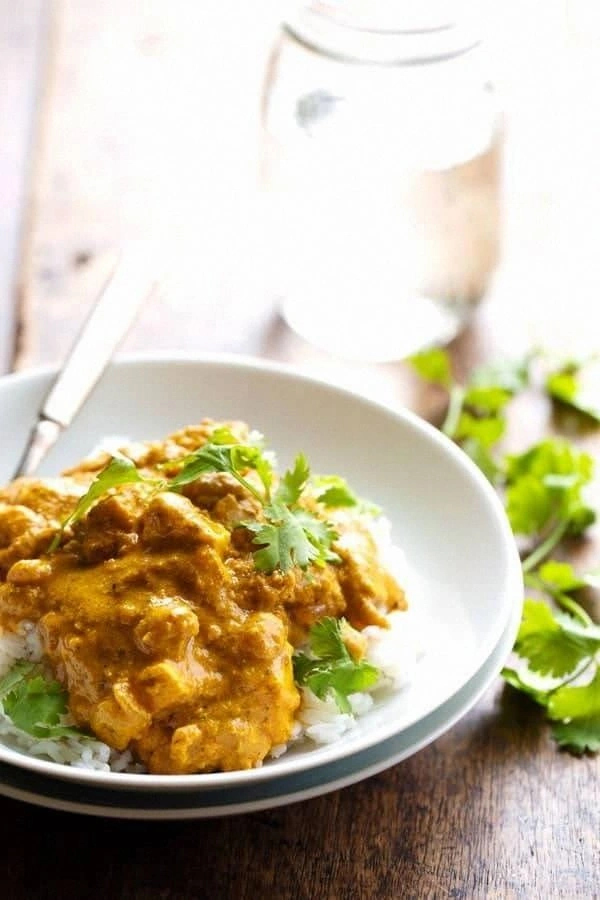
Serve the Chicken Shahi Korma over steaming basmati rice or freshly baked naan. Garnish with a drizzle of ghee, a few slivered almonds, and a bright sprinkle of chopped cilantro for color. The moment you lift that spoon, the sauce should cling to the rice like a silk scarf, and the chicken will glisten with a regal golden sheen. And now the fun part—dig in, and watch everyone ask for seconds.
That's it — you did it. But hold on, I've got a few more tricks that'll take this to another level…
Insider Tricks for Flawless Results
The Temperature Rule Nobody Follows
Never, ever crank the heat up when you add yogurt or cream. The rule of thumb is “low and slow.” High heat will cause the dairy to separate, leaving a grainy texture that ruins the entire dish. I once tried a shortcut by turning the stove up, only to end up with a curdled mess that looked like a science experiment gone wrong. Keep the flame gentle, and the sauce will stay glossy and smooth. This next part? Pure magic.
Why Your Nose Knows Best
Your sense of smell is a more reliable gauge than a timer when it comes to toasting spices. When the cumin seeds begin to release a nutty fragrance and the cardamom turns from sharp to sweet, you know they’re ready. Relying on a timer can leave you with under‑toasted spices that taste flat, or burnt ones that add bitterness. Trust the nose, and you’ll get that deep‑earth aroma that defines a great korma.
The 5‑Minute Rest That Changes Everything
After you finish cooking, turn off the heat and let the pot sit, covered, for five minutes. This brief rest allows the flavors to meld, the sauce to thicken naturally, and the chicken to re‑absorb some of the gravy. I once served the dish straight off the stove and a friend remarked the sauce seemed “thin”. Five minutes later, the same dish was “silky”. It’s a tiny pause that makes a massive difference.
Prep the Nut Paste Ahead of Time
Grinding almonds and cashews can be noisy and messy. I always blitz them in a food processor the night before and store the paste in an airtight container in the fridge. It saves 15 minutes of prep, and the paste stays fresh, giving the sauce an instant smoothness without any grainy surprises.
Balancing Sweet and Heat
If the dish feels too spicy after tasting, a half‑teaspoon of sugar can instantly tame the heat without making it sweet. Conversely, if the flavor leans too sweet, a squeeze of fresh lemon juice restores brightness. This balancing act is why this korma can satisfy both spice lovers and those who prefer milder palates.
Creative Twists and Variations
This recipe is a playground. Here are some of my favorite ways to switch things up:
Mushroom Maharani
Replace chicken with a mix of button and cremini mushrooms. Their earthy notes absorb the sauce beautifully, creating a vegetarian royal feast that even meat‑eaters adore.
Paneer Posh
Cube paneer and lightly fry it before adding to the sauce. The paneer stays firm, offering a buttery bite that pairs perfectly with the nut‑rich gravy.
Lamb Luxe
Swap chicken for lamb shoulder cubes. The slower‑cooking meat benefits from the long simmer, becoming melt‑in‑the‑mouth tender while infusing the sauce with a richer, gamier flavor.
Coconut Curry Twist
Add ½ cup coconut milk in place of half the cream for a tropical spin. The subtle coconut sweetness mellows the heat and gives the dish a silky smooth texture.
Spicy Green Chili Kick
Stir in 2 finely chopped green chilies along with the ginger‑garlic paste. The result is a brighter, livelier heat that cuts through the richness without overwhelming it.
Storing and Bringing It Back to Life
Fridge Storage
Allow the korma to cool to room temperature, then transfer it to an airtight container. It keeps beautifully for up to 3 days. When reheating, add a tablespoon of water or milk to revive the sauce’s silkiness, and warm over low heat while stirring gently.
Freezer Friendly
Portion the cooled korma into freezer‑safe bags or containers, leaving a little headroom for expansion. It freezes solid for up to 2 months. Thaw overnight in the fridge, then reheat on the stovetop, again adding a splash of liquid to bring back that glossy finish.
Best Reheating Method
The stovetop method wins every time: place the korma in a saucepan over low‑medium heat, stir in 2‑3 tbsp water or milk, and let it gently bubble until heated through. Microwaving can cause uneven heating and texture loss, so I’m sticking with the pan for that restaurant‑quality resurgence.