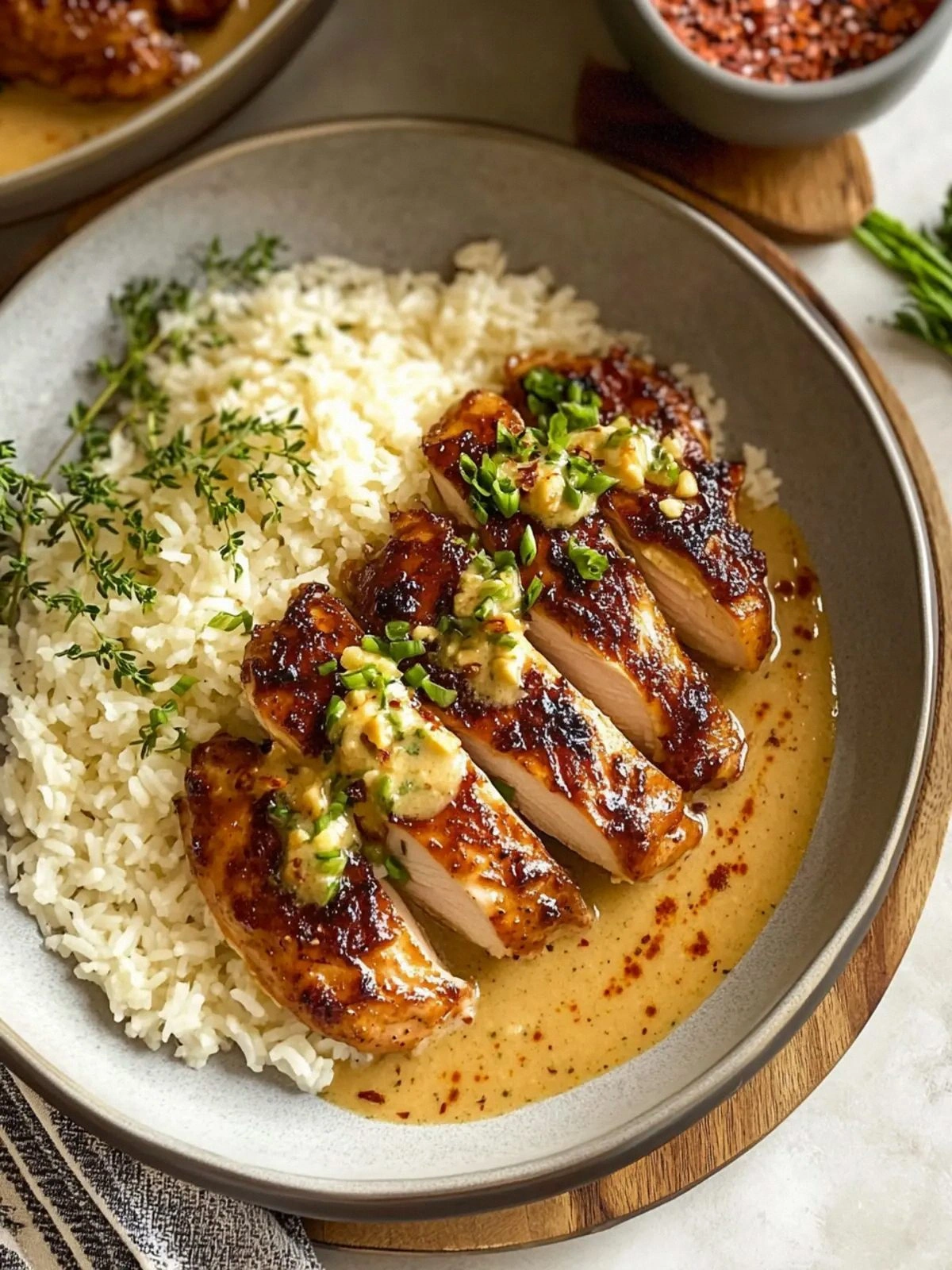
I was midway through a Tuesday night when my roommate dared me to make something "spicy enough to make his eyes water but fancy enough that his mom would approve." I laughed, grabbed the first thing I could see in the pantry—a dusty jar of chipotle in adobo, a half‑forgotten sack of pistachios, and a tray of chicken thighs that had been nursing the back of the fridge for a week. The smell of smoke and smoked paprika hit the kitchen like an old rock‑n‑roll riff, and I knew I was on the brink of something unforgettable. That moment of daring, combined with a mental image of a buttery sauce swirling around tender chicken, turned a simple weeknight into a culinary showdown.
Picture the scene: the steel pan singing as the oil hits it, the sizzling that makes your ears perk up, the aroma of chipotle slipping into the air like a whisper of a desert fire, and the buttery crunch of pistachios waiting to give that sauce a texture that’s oddly satisfying—like biting into a good day after a long rain. The sauce itself is a paradox, smoky and sweet, with a nutty depth that feels like a secret handshake between Mexican heat and Middle‑Eastern richness. I can still taste the first bite: the chicken, caramelized on the outside, juicy inside, cloaked in a sauce that clings like velvet and explodes with flavor in every chew.
Most chipotle chicken recipes either drown the meat in a thin, watery glaze or make the sauce so thick it feels like you’re chewing through a rubber band. This version fixes both problems with a clever trick: I blend toasted pistachios straight into the sauce, creating a chunky, buttery body that coats the chicken without smothering it. The pistachios aren’t just a garnish; they are the structural backbone of the sauce, giving it body, crunch, and a buttery luxury that most sauces lack. If you’ve ever struggled with a watery chipotle glaze, you’re not alone, and I’ve got the fix.
But there’s a twist you won’t see coming: a splash of lime juice added at the very end, not only brightening the flavor but also cutting through the richness of the nuts, making the whole dish feel lighter than it looks. I dare you to taste this and not go back for seconds; the balance of heat, nutty depth, and citrus zing is engineered to keep you coming back. Let me walk you through every single step — by the end, you’ll wonder how you ever made it any other way.
What Makes This Version Stand Out
- Smoke‑Heavy Flavor: The chipotle in adobo isn’t just a dash of heat; it’s a deep, earthy smoke that seeps into the chicken fibers, turning each bite into a smoky whisper.
- Nutty Body: Coarsely chopped pistachios give the sauce a chunky, buttery texture that feels luxurious without being waxy.
- Balanced Heat: By controlling the amount of chipotle and finishing with lime, the heat never overwhelms—just teases the palate like a good joke.
- Simple Prep: All the magic happens in one pan; no extra pots, no blender, just a wooden spoon and a little patience.
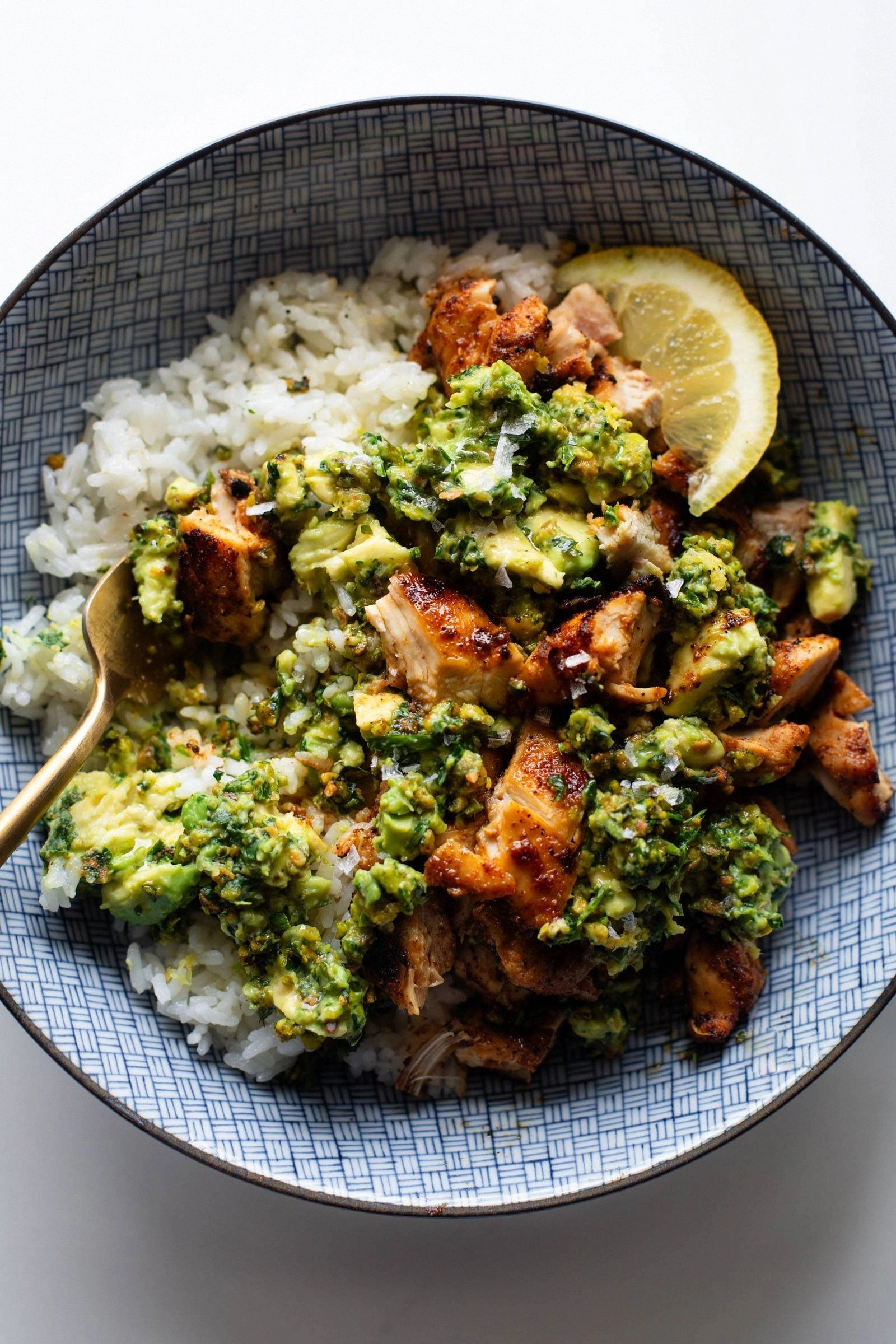
- Show‑Stopping Presentation: The sauce’s emerald‑green pistachio specks against the deep brown crust creates a visual wow factor that even your Instagram followers will love.
- Make‑Ahead Friendly: Cook it ahead, store, and just reheat; the flavors actually deepen after a night in the fridge.
- Ingredient Quality: Using unsalted, raw pistachios and authentic chipotle adobo makes all the difference—you can taste the care.
- Crowd‑Pleaser: Whether it’s a family dinner or a casual game night, this dish earns cheers and empty plates.
Inside the Ingredient List
The Flavor Base
Chipotle in adobo is the heart‑beat of this dish. The dried, smoked jalapeño brings a medium‑level heat that’s smoky, not sharp, and the adobo sauce adds a tangy tomato‑based sweetness. If you skip it, you lose that layered complexity and end up with flat heat. A good swap is smoked paprika plus a dash of liquid smoke, but nothing matches the depth of real chipotle. When buying, look for a can with a dark, glossy sauce; the darker the, the richer the flavor.
The Texture Crew
Pistachios are the secret weapon. Their natural buttery fat turns the sauce from runny to luxurious, while the coarse chop keeps a pleasant bite—think of a nutty crumble that melts into the sauce. If you’re allergic, try toasted pepitas or toasted almonds, but expect a slightly different flavor profile. Always choose unsalted pistachios; too much salt will drown the chipotle’s subtle sweetness.
The Unexpected Star
A squeeze of fresh lime juice at the end does more than add brightness; the acid emulsifies the sauce, letting the oil and nut butter bind together smoothly. Skip this and the sauce will feel heavy and cling to the pan instead of the chicken. If you’re out of lime, a splash of white wine vinegar works in a pinch, though you’ll lose some of that citrus zing.
The Final Flourish
A handful of fresh cilantro adds a herbaceous lift that rounds out the dish. The herb’s bright, almost citrusy notes contrast with the smoky chipotle and buttery pistachio, creating a balanced palate. If cilantro isn’t your thing, flat‑leaf parsley offers a milder green note without the soapy aftertaste some people get.
Everything's prepped? Good. Let's get into the real action...
The Method — Step by Step
Preheat your oven to 375°F (190°C). While the oven warms, pat the chicken thighs dry with paper towels—this is the secret to that coveted crust. A dry surface means the Maillard reaction can fire up, creating those caramelized edges that draw you in. Power transition: Okay, ready for the game‑changer?
In a small bowl, whisk together the chipotle in adobo, smoked paprika, cumin, minced garlic, lime juice, and olive oil. The mixture should look glossy and slightly thickened—if it looks too runny, give it a minute; the oil will emulsify.
Kitchen Hack: Use a fork instead of a whisk for a quicker emulsification; the prongs break the oil into finer droplets.Season the chicken generously with salt and pepper on both sides. Sprinkle a thin layer of smoked paprika onto the meat for extra depth. The seasoning should be visible—think of a light dusting, not a clump.
Watch Out: Over‑salting now means you’ll have a salty sauce later; start light and adjust after the sauce reduces.Heat a large, oven‑safe skillet (cast iron works wonders) over medium‑high heat. Add a drizzle of olive oil—just enough to coat the surface. When the oil shimmers, place the chicken skin‑side down (if using thighs with skin) or the seasoned side first. Hear that sizzle? That’s the beginning of caramelization. Let it sear undisturbed for 4‑5 minutes until the edges turn deep amber and release easily from the pan.
Flip the chicken and immediately spoon half of the chipotle‑lime mixture over the top, letting it bubble and coat the meat. Add the toasted pistachios now, scattering them around the pan. The nuts should start to release their oils, turning the sauce a richer green. This next part? Pure magic.
Transfer the skillet to the preheated oven. Roast for 18‑20 minutes, or until the internal temperature reaches 165°F (74°C). The sauce will thicken as the heat concentrates flavors; you’ll notice the edges of the pistachios turning a deeper amber, adding a toasty crunch.
While the chicken finishes, stir the remaining chipotle mixture in the pan, scraping up any browned bits—those are flavor fireworks. Reduce the heat to low and let the sauce simmer for 3‑4 minutes, allowing it to coat the pan like a glossy glaze. If the sauce seems too thick, splash in a tablespoon of water or chicken broth.
Remove the skillet from the oven and let the chicken rest for 5 minutes. Resting lets the juices redistribute, keeping the meat moist. Then, drizzle the pistachio‑chipotle sauce over each piece, sprinkle fresh cilantro, and serve immediately. Picture yourself pulling this out of the oven, the whole kitchen smelling incredible...
That's it — you did it. But hold on, I've got a few more tricks that'll take this to another level. Stay with me here — this is worth it.
Insider Tricks for Flawless Results
The Temperature Rule Nobody Follows
Never start with a cold pan. Let the skillet heat up for at least two minutes before adding oil; a properly heated pan guarantees that the chicken skin (or seasoned surface) sears instantly, creating that coveted crust. I once tried to save time by tossing the chicken in a cold pan and ended up with soggy, rubbery meat—lesson learned. Use a drop of water; if it dances, you’re ready.
Why Your Nose Knows Best
Your sense of smell is the ultimate doneness gauge. When the chipotle‑pistachio sauce starts to perfume the kitchen with a smoky, nutty aroma, you’re halfway there. If you smell a faint burnt pistachio scent, lower the heat; you’ve crossed the line into bitterness. Trust your nose more than any timer.
The 5‑Minute Rest That Changes Everything
Resting the chicken isn’t just a suggestion; it’s a science. During the final five minutes, muscle fibers relax and reabsorb juices, making each bite supremely juicy. Skip this and you’ll end up with a dry plate. I’ve seen folks cut straight into the meat and watch the juices pool on the cutting board—scrap that habit.
Pistachio Toast Perfection
Toast pistachios on low heat, stirring constantly. Burnt pistachios become bitter and will poison the sauce. A quick visual cue: they should turn a light amber and release a buttery scent. When you hear that subtle pop, you’re done.
Layering Chipotle for Depth
Instead of dumping all the chipotle at once, split it—half goes into the wet sauce, half is added after the oven finishes. This double‑layer technique builds complexity; the first half infuses the meat, the second freshens the sauce just before serving. I tried a single‑add method and the flavor plateaued—now I never look back.
Creative Twists and Variations
This recipe is a playground. Here are some of my favorite ways to switch things up:
Pistachio‑Pesto Fusion
Swap the toasted pistachios for a pistachio‑basil pesto and add a splash of cream. The result is an Italian‑Mexican hybrid that’s herbaceous with a nutty backdrop—perfect for pasta lovers.
Smoky BBQ Ramp‑Up
Add a tablespoon of smoky BBQ sauce to the chipotle mixture and sprinkle smoked sea salt just before serving. The dish gets an extra layer of caramelized sweetness that pairs wonderfully with grilled corn.
Vegan Swap
Replace chicken thighs with thick‑cut cauliflower steaks or tempeh strips; the pistachio sauce clings just as well. Use olive oil generously for searing, and you’ll have a plant‑based version that still packs a punch.
Spicy Citrus Blast
Introduce orange zest and a hint of habanero into the sauce for a brighter, hotter profile. The citrus brightens the smoke while the habanero ups the heat without overwhelming the pistachio’s buttery notes.
Herbaceous Green
Stir in finely chopped mint and parsley at the end for a fresh garden finish. This variation works beautifully as a spring‑time BBQ side—think grilled asparagus alongside the chicken.
Storing and Bringing It Back to Life
Fridge Storage
Place cooled chicken and sauce in an airtight container. It will keep for up to 4 days. Reheat gently on the stove over low heat, adding a splash of water to loosen the sauce and revive that silky texture.
Freezer Friendly
Separate the sauce from the chicken and store each in freezer‑safe bags. The sauce freezes well for up to 3 months; the chicken can be frozen for 2 months. Thaw overnight in the fridge, then reheat in a skillet, stirring in the sauce at the end.
Best Reheating Method
For ultimate flavor, reheat in a skillet over medium‑low heat, covering the pan with a lid for the first 2 minutes. Add a teaspoon of water or broth, then uncover and let the sauce caramelize again. This technique restores the original gloss and keeps the pistachios crunchy.