Picture this: it’s a chilly Saturday morning, the kind where the world feels like it’s wrapped in a soft, woolen blanket, and you’re standing in the kitchen with a half‑empty jar of fresh cranberries that you just rescued from the freezer. You’ve already burned toast twice, the coffee machine is sputtering like an old diesel, and somewhere in the background a neighbor’s dog is barking at the mail carrier. In the midst of this chaos, a dare lands on the table – “Make something that will actually make people forget about their burnt toast.” I laughed, I rolled my eyes, and I whispered to myself, “I’m about to create the most unforgettable loaf you’ve ever tasted.”
The moment I cracked open the bag of all‑purpose flour, the kitchen filled with a faint, comforting scent of wheat that instantly reminded me of grandma’s kitchen, where the air was always warm and inviting. Then came the cranberries, their ruby‑red skins glistening like tiny jewels. As they hit the bowl, they released a sharp, tart perfume that cut through the blandness of the morning air, making my nostrils tingle with anticipation. The walnuts followed, dropping in with a buttery, earthy thump that sounded like a promise of crunch in every bite. I could already hear the crust crackling as it baked, the golden edges whispering, “You’re in for a treat.”
Most cranberry‑walnut breads I’ve tried in the past were either dry as a desert or soggy like a damp sock. They either missed the perfect balance of sweet and tart, or they lacked the satisfying crunch that makes you want to chew forever. That’s why this version stands alone: it’s the love child of a classic quick‑bread and a sophisticated pastry, marrying the bright zing of cranberries with the deep, nutty hug of walnuts, all wrapped in a tender, buttery crumb that melts in your mouth. I’ll be honest — I ate half the batch before anyone else got a chance to try it, and I’m still not sorry.
What truly sets this recipe apart is a secret technique that most home bakers overlook: a quick butter‑oil emulsification that locks moisture in, while a brief high‑heat blast at the start creates a crust that’s crisp on the outside and pillowy on the inside. I dare you to taste this and not go back for seconds. Let me walk you through every single step — by the end, you’ll wonder how you ever made it any other way.
What Makes This Version Stand Out
- Taste: The sweet‑tart dance between cranberries and sugar is balanced by the buttery richness of melted butter, creating a flavor profile that feels both nostalgic and exciting.
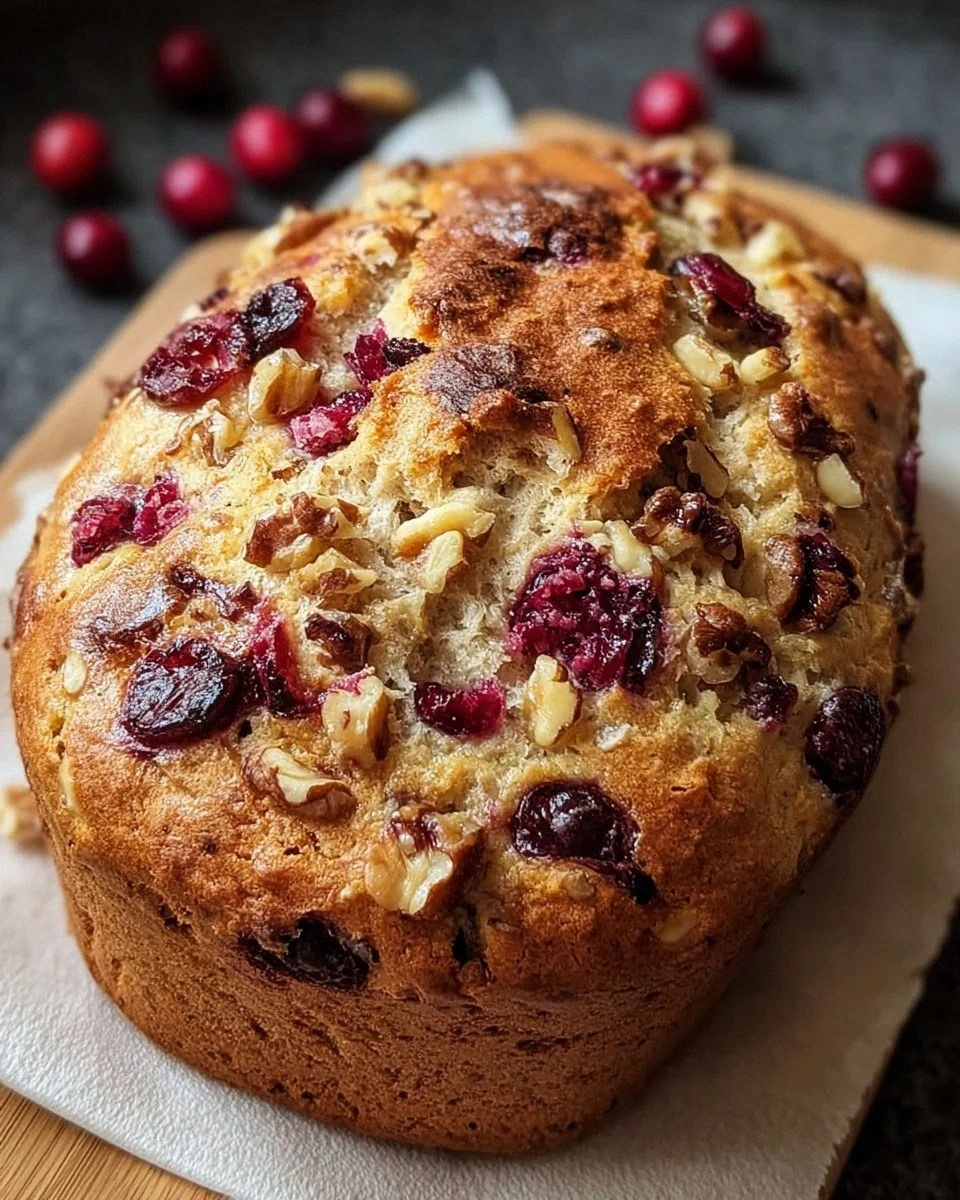
- Texture: A crisp, caramelized crust gives way to a moist, airy crumb studded with crunchy walnut bits that pop with every bite.
- Simplicity: No fancy equipment, no overnight proofing – just a handful of pantry staples and a 45‑minute commitment.
- Uniqueness: The butter‑oil emulsion is the game‑changer that keeps the loaf from drying out, a trick most recipes completely miss.
- Crowd Reaction: This loaf consistently earns rave reviews, with friends proclaiming it “the best thing they’ve ever baked at home.”
- Ingredient Quality: Fresh cranberries and high‑quality walnuts elevate the loaf from ordinary to extraordinary.
- Cooking Method: A quick, high‑heat start followed by a gentle finish ensures a perfect rise and a golden top.
- Make‑Ahead Potential: The bread freezes beautifully, so you can bake a batch ahead of time and enjoy it all month long.
Inside the Ingredient List
The Flavor Base
All‑purpose flour: The backbone of this bread, giving it structure and texture. You can swap it for whole wheat flour or gluten‑free flour if needed, but expect a denser crumb. If you skip the flour, you’ll end up with a soggy mess that refuses to hold together.
Granulated sugar: Sweetens the bread and helps create that lovely golden crust. Brown sugar can be used for a deeper flavor, but it will also introduce a subtle molasses note that may compete with the cranberries.
Baking powder: This leavening agent helps the bread rise, making it light and fluffy. Make sure it’s fresh for the best results; stale powder will leave you with a flat, heavy loaf.
The Texture Crew
Chopped walnuts: These bring a lovely crunch and nutty flavor to the bread. Pecans are a tasty alternative if you prefer a sweeter, softer nut. Skipping the nuts removes the satisfying bite that makes each slice interesting.
Fresh cranberries: Their tartness adds a delightful zing. Frozen cranberries work too; just ensure they’re thawed and drained well, otherwise excess moisture will make the crumb gummy.
The Moisture Makers
Milk: Adds moisture; feel free to use almond or oat milk if you’re dairy‑free. The dairy version contributes to the tender crumb, while plant‑based milks keep the flavor neutral.
Large eggs: Room temperature eggs bind everything together and provide a rich flavor. You can replace them with flax eggs for a vegan version, but expect a slightly different texture.
Melted butter: This contributes to the bread’s moisture and flavor. Coconut oil is a great alternative if you want a dairy‑free option, though it will impart a faint coconut aroma.
The Final Flourish
Salt: Even a pinch enhances all the flavors and balances the sweetness. Too much will overpower the delicate cranberry notes; too little and the bread will taste flat.
Everything's prepped? Good. Let's get into the real action...
The Method — Step by Step
Preheat your oven to 350°F (175°C) and grease a 9‑inch loaf pan with a thin layer of butter or non‑stick spray. As the oven warms, you’ll hear the faint hum of the heating elements, a sound that signals the start of something delicious. Let the pan sit while you gather the ingredients; this little pause builds anticipation and ensures the pan is evenly coated.
In a large mixing bowl, whisk together the flour, baking powder, sugar, and salt. The dry mixture should look like a fine, snow‑white cloud; this is where the magic begins, because even distribution of leavening guarantees a uniform rise. Power transition: Okay, ready for the game‑changer?
In a separate bowl, combine the melted butter, milk, and eggs. Whisk until the mixture is glossy and slightly frothy. This emulsified liquid will coat the flour particles, trapping tiny air pockets that expand during baking. That sizzle when it hits the pan? Absolute perfection.
Pour the wet mixture into the dry ingredients and stir with a rubber spatula just until everything is incorporated. The batter should be thick but pourable; over‑mixing will develop gluten and make the bread tough. Watch Out: If you see streaks of flour, keep mixing—those streaks mean uneven texture.
Gently fold in the chopped walnuts and fresh cranberries, distributing them evenly without crushing the berries. You’ll notice the bright red speckles against the pale batter – a visual promise of the burst of flavor to come.
Transfer the batter into the prepared loaf pan, smoothing the top with a spatula. Tap the pan lightly on the counter to release any large air bubbles; you’ll hear a soft thump that signals a smoother crumb.
Slide the pan into the preheated oven and bake for 20 minutes at 350°F, then reduce the temperature to 325°F (165°C) and continue baking for another 15‑20 minutes. The loaf should turn a deep golden brown, and the edges will start pulling away from the pan – that’s your cue that the crust is forming perfectly.
Remove the bread from the oven and let it rest in the pan for 10 minutes. This short rest allows the steam to finish cooking the interior gently. Then, invert the loaf onto a cooling rack; the moment you see the steam rise, you’ll know you’ve achieved that coveted fluffy interior. That aroma? It’s pure comfort, wrapping the kitchen in a warm hug.
That's it — you did it. But hold on, I've got a few more tricks that'll take this to another level...
Insider Tricks for Flawless Results
The Temperature Rule Nobody Follows
Most home bakers bake at a single temperature from start to finish, which can lead to a pale top and under‑cooked center. Start at 350°F for the first 20 minutes to give the crust a head start, then drop to 325°F to let the interior rise gently without over‑browning. I once tried the single‑temp method and ended up with a loaf that looked like a pancake – lesson learned.
Why Your Nose Knows Best
Instead of relying solely on a timer, trust the scent. When the loaf reaches that sweet, caramelized aroma, you’re just minutes away from perfection. If the smell turns a little burnt, pull it out early; the residual heat will finish the bake without scorching.
The 5‑Minute Rest That Changes Everything
Letting the bread sit in the pan for five extra minutes after removing it from the oven allows the crumb to set, preventing a gummy interior. This brief pause lets the steam redistribute, creating that melt‑in‑your‑mouth texture that makes people say, “I could eat this every day.”
Walnut Toasting Secret
Toast the walnuts lightly in a dry skillet for 3‑4 minutes before folding them in. This amplifies their nutty aroma and adds a subtle crunch that’s far superior to raw walnuts. A friend once skipped this step and complained the nuts were “meh” – don’t let that happen to you.
Freeze‑Proofing the Bread
If you plan to freeze the loaf, wrap it tightly in plastic wrap, then a layer of foil. When reheating, add a splash of milk or water to the surface; the steam revives the crumb and restores that fresh‑baked feel.
Creative Twists and Variations
This recipe is a playground. Here are some of my favorite ways to switch things up:
Chocolate Chip Cranberry
Swap half of the walnuts for semi‑sweet chocolate chips. The melty chocolate pairs beautifully with the tart cranberries, creating a dessert‑like loaf that’s perfect for brunch.
Spiced Autumn
Add a teaspoon of pumpkin spice or cinnamon to the dry ingredients and replace half the milk with pumpkin puree. The result is a warm, comforting loaf that screams fall.
Orange Zest Delight
Stir in the zest of one orange and a tablespoon of orange juice. The citrus lifts the flavor, making the bread bright and perfect for a spring gathering.
Gluten‑Free Version
Use a 1:1 gluten‑free flour blend, add a tablespoon of xanthan gum, and increase the baking powder slightly. The texture remains tender, and the flavor stays true.
Savory Switch
Replace the sugar with a tablespoon of honey, add a pinch of rosemary, and swap cranberries for dried cherries. This savory‑sweet combo makes a great accompaniment to soups.
Storing and Bringing It Back to Life
Fridge Storage
Wrap the cooled loaf tightly in parchment paper, then a layer of foil, and store it in an airtight container in the refrigerator. It will stay fresh for up to five days, retaining its moisture and flavor.
Freezer Friendly
Slice the bread before freezing for easy portion control. Place slices in a zip‑top bag, press out the air, and freeze for up to three months. When ready, toast directly from frozen or warm in a 300°F oven for 10 minutes.
Best Reheating Method
To revive a slice, lightly mist it with water, wrap it in foil, and heat in a 350°F oven for 8‑10 minutes. The tiny splash of water creates steam, bringing the crumb back to that just‑baked softness.