I still remember the morning I nearly burned down my kitchen trying to make what I thought would be a "simple" breakfast casserole. The smoke alarm was screaming, my roommate was yelling about the smell, and I was standing there with a charred mess that looked like something from a horror movie. Fast forward through three failed attempts, a near-miss with the fire department, and a very patient neighbor who finally shared her grandmother's secret technique, and suddenly everything clicked into place. These Easy Cheesy Breakfast Rolls were born from that chaos — and let me tell you, they are everything those sad, dry casseroles wanted to be when they grew up.
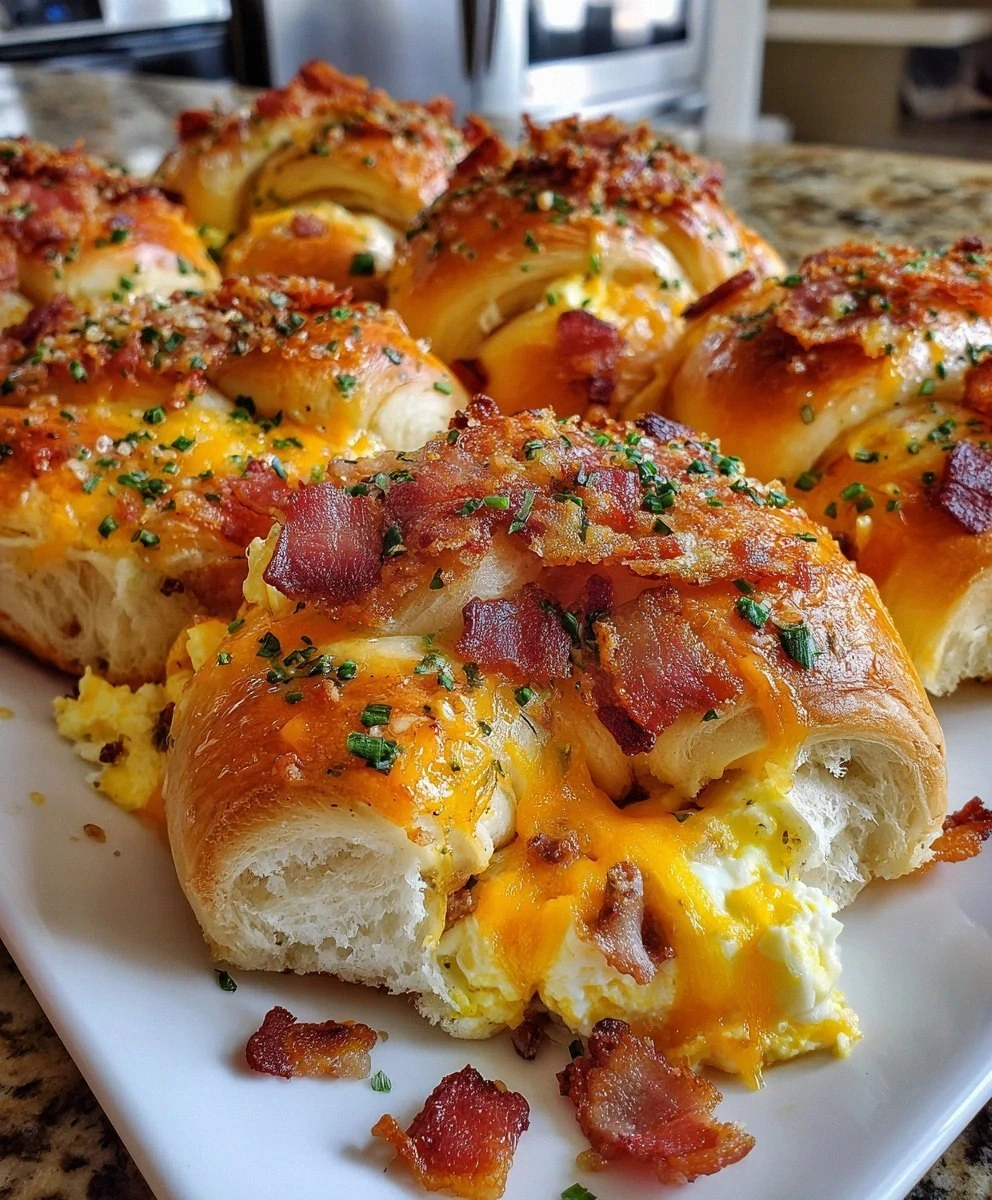
Picture this instead: golden crescent dough wrapped around clouds of perfectly seasoned scrambled eggs, rivers of molten cheddar and mozzarella creating cheese pulls that would make a food stylist weep with joy, and optional bits of crispy bacon or sausage tucked inside like little savory treasures. The aroma that fills your kitchen is so intoxicating that my neighbor's cat once tried to move in permanently after smelling these beauties baking. Every bite delivers that perfect balance of buttery, flaky exterior giving way to creamy, cheesy interior that makes you close your eyes and sigh involuntarily.
What makes this version different from every other breakfast roll recipe cluttering up the internet? I cracked the code on preventing soggy bottoms (the silent killer of breakfast pastries), discovered the exact cheese ratio that creates maximum melt without becoming a greasy mess, and figured out how to get those eggs impossibly fluffy even after baking inside dough. Most recipes treat the crescent dough like an afterthought, but I've learned it's actually your secret weapon for achieving bakery-level results at home.
Here's the kicker — these look and taste like you spent hours slaving away, but they come together faster than ordering takeout. I'm talking fifteen minutes of hands-on time, max. The hardest part is not eating them all straight off the pan while they're still hot enough to burn your tongue (though I'll be honest, I've done that more times than I care to admit). Let me walk you through every single step — by the end, you'll wonder how you ever made it any other way.
What Makes This Version Stand Out
Flaky Perfection: Most breakfast rolls become soggy disasters because the filling releases moisture into the dough. My technique of partially pre-cooking the eggs with butter creates a moisture barrier that keeps the crescent dough crisp and golden, never gummy or undercooked in the center.
Cheese Science: The combination of sharp cheddar for flavor and mozzarella for stretch isn't just delicious — it's strategic. The cheddar provides that tangy punch while the mozzarella creates those Instagram-worthy cheese pulls that make everyone at the brunch table reach for their phones first.
Make-Ahead Magic: These rolls can be assembled the night before, wrapped tightly, and popped in the oven in the morning. The flavors actually meld together overnight, creating an even more incredible taste experience while you sleep in like the breakfast champion you are.
Protein Flexibility: Whether you're team bacon, sausage, or keeping it vegetarian, this recipe adapts beautifully. The technique works with any protein (or none at all) because the seasoning in the eggs provides the backbone of flavor that everything else builds upon.
Freezer Friendly: Unlike most breakfast pastries that turn into sad, soggy messes after freezing, these actually maintain their texture beautifully. I make double batches and freeze half for those mornings when even making coffee feels like climbing Everest.
Kid-Approved Sophistication: Children love these because they're basically breakfast pizza rolls, but adults appreciate the elevated flavors and techniques. It's the rare recipe that works for both picky eaters and food snobs at the same table.
Portion Control Perfection: Each roll is a complete, self-contained breakfast portion. No more wondering if people will take too much or too little — everyone gets their own perfect portion that stays hot until they're ready to eat it.
Inside the Ingredient List
The Foundation: Crescent Roll Dough
Refrigerated crescent roll dough is your best friend here, but not all brands are created equal. I've tested every option in the dairy case, and the original Pillsbury version creates the flakiest, most buttery results. The dough needs to be cold when you work with it — warm dough becomes stretchy and difficult to seal, leading to cheese explosions in your oven that will haunt your dreams (and your smoke detector).
If you're feeling ambitious and want to make your own dough, use a laminated dough recipe similar to croissants but with fewer folds. The key is creating those distinct layers that separate during baking, forming the characteristic crescent shape and texture. Homemade dough will give you bragging rights, but honestly, the refrigerated stuff is so good that I rarely bother anymore.
One crucial tip: don't unroll the dough until you're absolutely ready to assemble. The dough becomes more difficult to work with as it warms up, and you want those perfect triangles to stay intact for easy rolling. Keep it in the fridge until the moment you need it.
The Star Players: Eggs and Dairy
Large eggs are non-negotiable here — medium eggs won't provide enough structure, and extra-large can make the filling too wet. The eggs need to be at room temperature before cooking because cold eggs hit the pan and immediately start releasing moisture, creating that dreaded watery scramble that will leak into your dough.
The splash of milk might seem insignificant, but it's the difference between diner-quality eggs and hockey pucks. Whole milk creates the creamiest texture, but 2% works in a pinch. Skip the skim milk though — it doesn't have enough fat to create that luxurious mouthfeel that makes these rolls special.
Butter serves dual purposes in this recipe. When cooking the eggs, it creates a silky texture and rich flavor. When brushed on the rolls before baking, it helps achieve that golden-brown color and adds another layer of buttery goodness. Use European-style butter if you can find it — the higher fat content makes everything taste more indulgent.
The Cheese Dream Team
Sharp cheddar brings the flavor party to these rolls, but the age matters more than you think. A two-year aged cheddar provides the perfect balance of sharpness and meltability. Anything older becomes oily when heated, while younger cheddar lacks that punchy flavor that makes people ask for your secret ingredient.
Mozzarella is the unsung hero here — it's what creates those incredible cheese pulls that make everyone reach for their cameras. Low-moisture mozzarella works better than fresh because you want the stretch without the water. Shred it yourself from a block rather than buying pre-shredded, and you'll be rewarded with superior melting and none of that weird powdery coating.
The ratio matters more than you think. I tested everything from all-cheddar to all-mozzarella, and the sweet spot is 60% cheddar to 40% mozzarella. This gives you maximum flavor with perfect meltability and stretch.
The Supporting Cast
Cooked bacon or sausage adds that smoky, savory element that makes these feel like a complete breakfast. If using bacon, cook it until it's crisp but not burnt — it will soften slightly during baking, so you want it fully crisp to maintain texture. For sausage, remove it from the casings and crumble it while cooking for even distribution.
Fresh chives are worth seeking out — they provide a gentle onion flavor that brightens all the rich elements without overwhelming them. If you can't find chives, green onion tops work, but avoid regular onions which can be too harsh. The key is something fresh and green to cut through all that richness.
Salt and pepper seem basic, but they're crucial. Season the eggs while they're still slightly undercooked — they should taste just a touch overseasoned because the dough will mute some of that flavor. Use kosher salt and freshly ground black pepper for the best results.
The Method — Step by Step
- Start by preheating your oven to 375°F (190°C). This temperature is crucial — too hot and the outside burns before the inside cooks, too cool and you get pale, doughy rolls that nobody wants to eat. While the oven heats, take your eggs out of the fridge and let them come to room temperature. This usually takes about 15 minutes, which is perfect timing since that's exactly how long your prep will take.
- Crack all six eggs into a medium bowl and add the milk, salt, and pepper. Whisk vigorously for a full minute — you're not just combining here, you're incorporating air that will make your eggs extra fluffy. The mixture should be pale yellow and slightly frothy on top. If you see any streaks of white, keep whisking. This step makes the difference between diner-quality eggs and something truly special.
- Melt one tablespoon of butter in a non-stick skillet over medium-low heat. The butter should foam gently but not brown — if it starts to brown, your pan is too hot. Pour in the eggs and let them sit undisturbed for about 30 seconds. This is where most people go wrong, constantly stirring from the beginning. Let the bottom set slightly before you start gently pushing the eggs from the edges toward the center with a rubber spatula.
- Continue cooking the eggs, stirring gently every 30 seconds or so, until they're about 75% set. They should still look slightly wet and undercooked — they'll finish cooking in the oven, so you want them softer than you'd normally serve scrambled eggs. This is your moisture insurance policy against dry, rubbery breakfast rolls. Remove from heat and let them cool for about 5 minutes while you prep the dough.
- Unroll the crescent dough on a clean surface, separating it into the pre-scored triangles. If any triangles are stuck together, gently separate them with your fingers rather than pulling hard — you want to maintain those clean edges for the best presentation. Arrange them so the wide base is toward you and the point is away, like little arrowheads pointing away from you.
- Divide the cheese mixture in half, reserving one half for topping. Sprinkle the first half of the cheese evenly over all the triangles, staying about 1/4 inch away from the edges to prevent oozing during baking. Add the cooked bacon or sausage if using, distributing it evenly. Finally, spoon the cooled scrambled eggs onto each triangle, using about 1-2 tablespoons per roll depending on their size.
- Starting with the wide base, roll each triangle toward the point, tucking in the sides as you go to create a tight spiral. The dough should completely enclose the filling — if any filling is poking out, gently push it back in with your finger. Place the rolls seam-side down on a parchment-lined baking sheet, spacing them about 2 inches apart to allow for expansion.
- Brush the tops with the remaining melted butter — this creates that gorgeous golden color and adds another layer of richness. Sprinkle the remaining cheese on top, pressing it gently into the dough so it adheres during baking. Pop them into your preheated oven and bake for 12-15 minutes, until they're puffed and golden brown. Your kitchen will start smelling like a bakery crossed with a breakfast diner in the best possible way.
- The moment of truth comes when you pull them out — they should be golden brown and the cheese on top should be bubbling gently. Let them cool for exactly 5 minutes on the pan. I know it's torture, but this rest allows the cheese to set slightly so you don't burn your mouth on molten cheese lava. Garnish with fresh chives or parsley for that pop of color that makes them look bakery-professional.
- These rolls are best served warm, but they're surprisingly good at room temperature too. If you're serving a crowd, transfer them to a wire rack after the initial 5-minute rest so they don't get soggy on the bottom. They'll stay fresh for about 2 hours at room temperature, making them perfect for brunch spreads or potluck contributions where you can't control the serving timing.
That's it — you did it. But hold on, I've got a few more tricks that'll take this to another level...
Insider Tricks for Flawless Results
The Temperature Rule Nobody Follows
Room temperature isn't just a suggestion — it's the difference between breakfast roll success and disaster. Cold eggs shock the warm butter in your pan, creating weird curdled bits that never quite integrate properly. Take your eggs out 30 minutes before cooking, or place them in a bowl of warm (not hot) water for 10 minutes if you're in a rush. Your eggs will cook more evenly and absorb seasonings better when they're not fighting against temperature differences.
The same rule applies to your cheese. Cold cheese straight from the fridge doesn't melt as smoothly and can create greasy pockets instead of that perfect even melt. Let your shredded cheese sit out while you prep everything else — even 15 minutes makes a noticeable difference in the final texture.
Why Your Nose Knows Best
Don't trust the timer blindly — your nose is actually the most reliable indicator of doneness. When these rolls are perfectly baked, your kitchen will fill with the aroma of buttery, cheesy goodness that's almost nutty and caramel-like. If you smell that, check them immediately. If you wait for the timer, you might miss the sweet spot and end up with over-baked rolls that are dry and disappointing.
This is especially important because every oven is different. My ancient oven runs hot, while my sister's fancy new one runs cool. The smell test works regardless of your oven's quirks, and it's never failed me in hundreds of batches.
The 5-Minute Rest That Changes Everything
I know, I know — when something smells this good, waiting feels impossible. But those 5 minutes on the pan are doing crucial work. The cheese needs time to set slightly so it doesn't all ooze out when you bite into it. The dough finishes cooking from residual heat, ensuring the centers are fully baked. And most importantly, you won't burn your mouth on cheese that's hotter than lava.
During this rest, the flavors also meld together in magical ways. The herbs infuse into the cheese, the seasonings distribute evenly throughout the filling, and everything becomes more than the sum of its parts. Skip this step and you'll have good rolls. Wait the 5 minutes and you'll have transcendent rolls.
The Cheese Grating Revelation
Pre-shredded cheese is coated with cellulose to prevent clumping, but that same coating prevents smooth melting. It creates a slightly gritty texture and can make your rolls greasy instead of perfectly melty. Grating your own cheese takes about 2 extra minutes but makes a world of difference in the final product.
Plus, block cheese stays fresher longer and tastes better. Once you start grating your own cheese for cooking, you'll never go back to the bagged stuff. Keep a box grater in your drawer and consider it part of your cooking routine, not an extra step.
Creative Twists and Variations
This recipe is a playground. Here are some of my favorite ways to switch things up:
The Mediterranean Escape
Swap the cheddar for feta, add some chopped spinach and sun-dried tomatoes to the egg mixture, and finish with a sprinkle of oregano. The briny feta pairs beautifully with the sweet tomatoes, and the spinach adds color and nutrition. Drizzle with a tiny bit of good olive oil before serving for that authentic Mediterranean flavor that transports you straight to a Greek island breakfast.
The Southwest Heat Seeker
Add a diced jalapeño to the eggs, swap the cheddar for pepper jack, and mix in some chorizo instead of regular sausage. Top with a dollop of sour cream and fresh cilantro for a breakfast roll that packs serious heat. The spice level is customizable — remove the jalapeño seeds for milder heat or leave them in if you like living dangerously.
The French Onion Dream
Caramelize some onions until they're deep golden and sweet, mix them into the eggs, and use Gruyère instead of cheddar. The result tastes like French onion soup in breakfast roll form — rich, savory, and incredibly satisfying. These are especially good for brunch because they feel fancy but are still comfort food at heart.
The Everything Bagel Remix
Skip the meat and instead mix everything bagel seasoning into the egg mixture. Use cream cheese cubes instead of mozzarella for pockets of creamy goodness, and stick with just cheddar for the main cheese. Top with more everything seasoning before baking. It's like your favorite bagel breakfast but in portable, party-friendly form.
The Garden Fresh
Add diced bell peppers, mushrooms, and zucchini to the eggs for a veggie-packed version that doesn't feel like health food. The vegetables add moisture and flavor while keeping things light. Use a mix of cheddar and havarti for extra creaminess that makes up for the lack of meat.
The Sweet and Savory
Add some crumbled breakfast sausage and a tiny drizzle of maple syrup to the egg mixture. The sweet-savory combo is breakfast perfection, especially when you use sharp white cheddar. Don't go overboard on the syrup — just enough to hint at sweetness without making them taste like dessert.
Storing and Bringing It Back to Life
Fridge Storage
Store completely cooled rolls in an airtight container in the refrigerator for up to 4 days. The key is letting them cool completely before storing — trapping warm rolls creates condensation that makes the dough soggy. Place a paper towel in the container to absorb any excess moisture, and don't stack them more than two layers deep to prevent squishing.
For best results, store them ungarnished if you plan to reheat later. Fresh herbs tend to get sad and wilted in the fridge, so save the chive sprinkle for when you're ready to serve.
Freezer Friendly
These freeze beautifully for up to 2 months. Flash freeze them first by placing cooled rolls on a baking sheet in the freezer for 2 hours, then transfer to a freezer bag. This prevents them from sticking together and lets you grab just what you need. Label the bag with the date because frozen breakfast rolls have a way of getting lost in the freezer abyss.
When freezing, underbake them slightly (reduce oven time by 2-3 minutes) so they don't overcook when you reheat them. They'll finish cooking perfectly when you reheat from frozen.
Best Reheating Method
Oven reheating is the only way to go if you want to maintain that fresh-baked texture. Place rolls on a baking sheet in a 350°F oven for 8-10 minutes if refrigerated, 12-15 minutes if frozen. Add a tiny splash of water to the pan and cover loosely with foil for the first half of reheating — the steam helps restore moisture without making them soggy.
Avoid the microwave unless you're truly desperate. It makes the dough rubbery and the cheese greasy. If you must microwave, wrap the roll in a damp paper towel and heat for just 20-30 seconds, but know that you're sacrificing texture for speed.