I’ll be honest—when I first baked this, I ate half the batch before anyone else got to try it. The glaze was so silky and the lemon brightness was so pronounced that it felt like a personal invitation to indulge. I’ve had friends come over, and they’ve kept asking for the recipe because it’s that simple yet sophisticated. The best part? It’s a crowd‑pleaser that scales up or down with ease, making it perfect for a family dinner or a special brunch. So, buckle up, because the next few sections will reveal the science, the secrets, and the pure joy of baking a lemon blueberry bundt cake that’s as Instagram‑worthy as it is delicious.
If you’ve ever struggled with bundt cakes that come out dry or unevenly baked, you’re not alone—and I’ve got the fix. The trick lies in balancing the acidity, the moisture, and the structure. By incorporating sour cream and a precise amount of lemon juice, you’re not just adding flavor—you’re creating a tender crumb that holds its shape. And that’s only the beginning. Let’s dive into what makes this version stand out from every other recipe out there.
What Makes This Version Stand Out
- Flavor: The combination of fresh lemon zest and juice with sweet blueberries creates a bright, layered taste that feels like a summer picnic in a cake.
- Texture: Sour cream and butter work together to keep the crumb moist while the flour ratio ensures a tender but sturdy structure.
- Simplicity: Only 16 ingredients, no special equipment, and a straightforward method that anyone can follow.
- Uniqueness: The glaze is a thin, citrusy finish that coats the cake like velvet, rather than a thick, sugary icing.
- Audience: It’s the kind of cake that makes guests gasp, and then ask for seconds—perfect for parties and potlucks.
- Ingredient Quality: Using fresh lemons and blueberries elevates the flavor beyond store‑bought mixes.
- Cooking Method: The batter is folded gently, preventing overmixing and preserving a light crumb.
- Make‑Ahead Potential: The cake can be baked, cooled, and glazed ahead of time, making it ideal for busy schedules.
Inside the Ingredient List
The Flavor Base
All-purpose flour is the backbone of this cake, providing structure without heaviness. Using a high‑protein flour would make the crumb dense, so stick to the standard blend. If you’re on a gluten‑free diet, you can swap for a 1:1 gluten‑free blend, but expect a slightly different crumb texture.
Baking powder and baking soda work together to create lift and a light crumb. The baking soda reacts with the lemon juice, producing carbon dioxide that helps the batter rise. If you forget the soda, the cake will be flat and heavy.
Salt is essential for balancing sweetness and enhancing the citrus notes. It’s the unsung hero that brings all flavors together. Even a pinch can make a big difference in the final taste.
The Texture Crew
Unsalted butter, softened, adds richness and keeps the crumb tender. Make sure it’s at room temperature; if it’s too cold, it will create pockets of dryness. If you prefer a dairy‑free version, use a high‑quality vegan butter that’s also softened.
Granulated sugar is the sweetener that also helps with browning. The sugar crystals dissolve into the butter, creating a smooth batter. For a slightly healthier twist, you can replace half the sugar with honey, but keep in mind the moisture content changes.
Eggs are the binder that hold everything together. They add structure, moisture, and a subtle richness. If you’re vegan, consider using a flaxseed‑egg mixture (1 tablespoon ground flaxseed + 3 tablespoons water per egg).
The Unexpected Star
Sour cream is the secret to the cake’s moistness. It adds acidity that tenderizes the flour proteins and keeps the crumb from drying out. If you can’t find sour cream, Greek yogurt is a great substitute, but use plain to avoid altering the flavor.
Fresh lemon juice and zest are the star performers. The juice brings brightness and a slight tartness, while the zest adds aromatic oils that elevate the citrus experience. If you’re out of lemons, a splash of orange juice can add a sweet, mellow note, but the zest will be different.
Vanilla extract ties the flavors together, giving depth to the lemon and blueberry notes. A high‑quality vanilla or a vanilla bean pod will give you a more complex profile.
The Final Flourish
Blueberries tossed in flour help them distribute evenly and prevent sinking. The flour also thickens the glaze slightly, giving it a silky finish. Fresh blueberries are essential; frozen ones will release too much juice and make the batter watery.
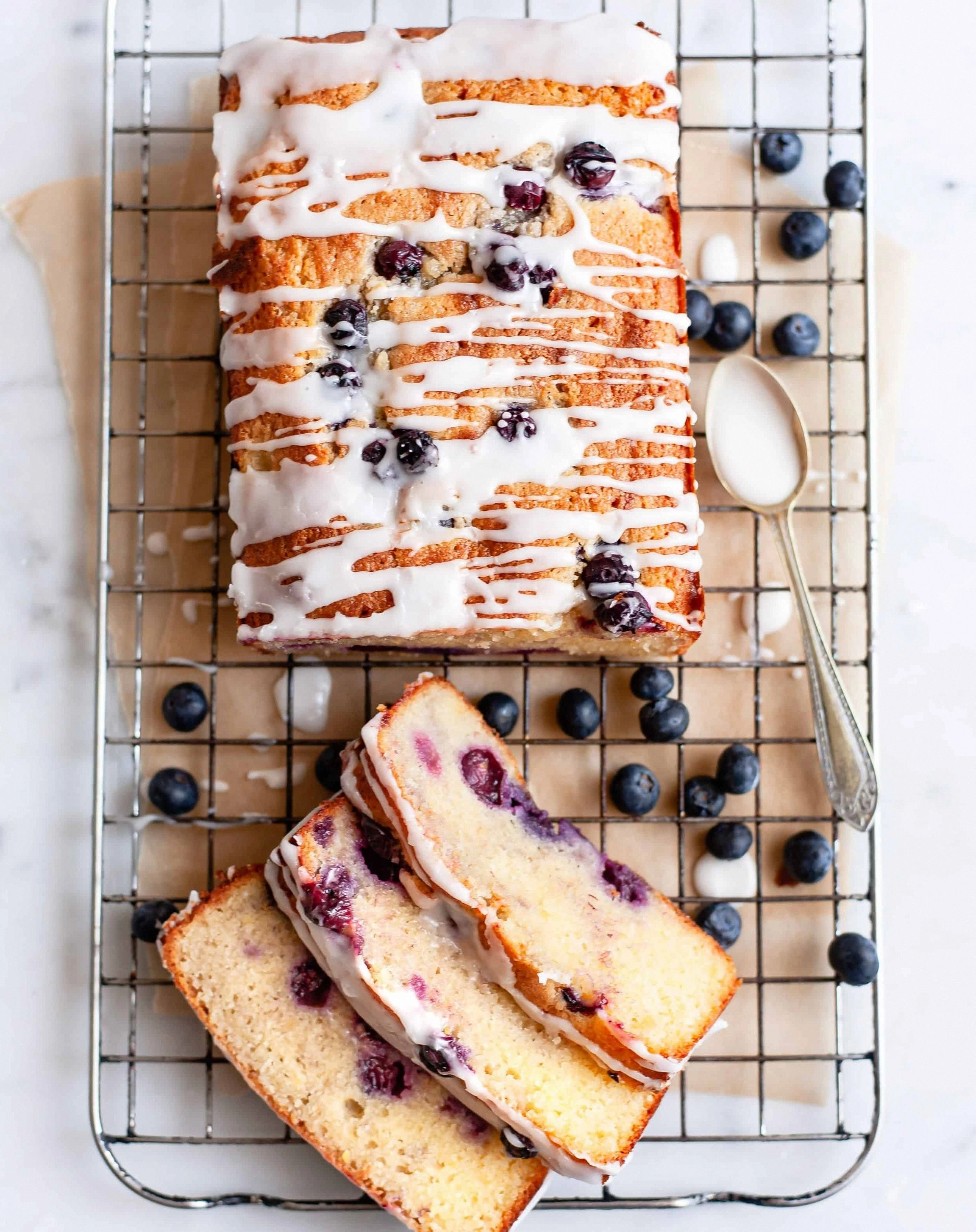
Confectioners’ sugar, lemon juice, and lemon zest make the glaze that coats the cake like velvet. The glaze is thin enough to soak into the crumb but thick enough to stay on top, providing a sweet‑tart finish.
Everything’s prepped? Good. Let’s get into the real action.
The Method — Step by Step
- Preheat and Prep: Set your oven to 350°F (175°C) and grease a 10‑inch bundt pan with butter, then dust with flour. Line the bottom with parchment to prevent sticking. This step ensures that your cake lifts cleanly, and the parchment adds a protective barrier against the butter’s burn. Keep the oven rack in the middle to allow even heat distribution.
- Dry Mix: In a large bowl, whisk together the flour, baking powder, baking soda, and salt. The dry mix should be light and airy—if you see clumps, sift them out. This creates a uniform base that will absorb the wet ingredients evenly.
- Cream Butter and Sugar: In a separate bowl, beat the softened butter and granulated sugar until pale and fluffy. This process incorporates air, giving the cake a lighter crumb. The butter should be at room temperature; if it’s too soft, the batter may become greasy.
- Eggs and Vanilla: Add the eggs one at a time, beating well after each addition. Stir in the vanilla extract. The eggs must be fully integrated to avoid curdling. This step adds structure and moisture.
- Add Sour Cream and Lemon: Fold in the sour cream, lemon juice, and lemon zest until just combined. The sour cream’s acidity will react with the baking soda, creating lift. Do not overmix; you want a gentle blend to preserve the batter’s lightness.
- Combine Wet and Dry: Pour the dry mix into the wet mixture in two batches, folding gently after each addition. Use a spatula to fold from the bottom up, keeping the batter smooth. Overmixing at this stage will develop gluten and make the cake tough. Kitchen Hack: Use a rubber spatula to fold in the blueberries, ensuring they’re evenly dispersed without breaking them.
- Fold in Blueberries: Gently fold the blueberry mixture into the batter, taking care not to crush the berries. If you notice any berries sinking, they’ll be clumpy; gently lift them with a spoon and redistribute. This step is crucial for a uniform burst of flavor in every slice. Watch Out: Adding too many blueberries can make the batter too wet—use the flour coating to keep them from sinking.
- Fill the Pan: Pour the batter into the prepared bundt pan, filling it about 3/4 full. Tap the pan gently on the counter to release air bubbles. The batter should be level; if it’s uneven, the cake may bake unevenly.
- Bake: Place the pan in the preheated oven and bake for 30–35 minutes, or until a toothpick inserted in the center comes out clean. The edges should start pulling away from the pan, and the top should be a golden amber. Keep a close eye on the baking time—overbaking will dry out the lemon.
- Cool: Remove the cake from the oven and let it cool in the pan for 10 minutes. Then transfer it to a wire rack to cool completely. Cooling in the pan allows the cake to set without cracking. If you lift it too early, the structure may collapse.
- Glaze: While the cake cools, whisk together the confectioners’ sugar, lemon juice, and lemon zest until smooth. Pour the glaze over the cooled cake, allowing it to drip down the sides. The glaze will thicken slightly as it cools, creating a glossy finish.
- Serve: Let the glaze set for a few minutes, then slice and serve. The cake is best enjoyed fresh but can be stored for a day or two in an airtight container.
That’s it—you did it. But hold on, I've got a few more tricks that'll take this to another level. Keep reading for insider secrets that will elevate your baking game.
Insider Tricks for Flawless Results
The Temperature Rule Nobody Follows
Many bakers bake at 350°F, but a lower temperature of 325°F actually yields a more even bake. The gentle heat allows the batter to rise slowly, creating a tender crumb. If you’re in a hot climate, consider lowering the oven temperature to compensate for the ambient heat.
Why Your Nose Knows Best
Before you start mixing, sniff the fresh lemons and blueberries. The aroma will give you a preview of how bright the cake will be. If the citrus smell is muted, consider adding a splash of lemon zest to boost the fragrance.
The 5‑Minute Rest That Changes Everything
After folding the blueberries, let the batter rest for five minutes. This pause allows the flour to hydrate fully, ensuring a smoother batter that spreads evenly. It also lets the blueberries release their juices, infusing the cake with a subtle burst.
Avoiding the “Sour Cream Collapse”
If you’re using a sour cream that’s too cold, it can cause the batter to separate. Let it sit at room temperature for 15 minutes before folding in. I once had a cake that split in half because of this—never again.
Glaze Consistency is Key
If your glaze is too thick, it will drip off the cake. If it’s too thin, it won’t set. Aim for a pourable consistency that thickens slightly as it cools. A quick test is to stir a spoonful in water—if it pools, it’s too thin.
Storing the Perfect Slice
Wrap each slice in parchment paper before storing. This prevents the glaze from sticking to the container and keeps the cake from drying out. If you’re storing for more than a day, keep it in a sealed plastic bag in the fridge.
Creative Twists and Variations
This recipe is a playground. Here are some of my favorite ways to switch things up:
Lemon‑Lavender Bundt
Add 1 teaspoon of dried culinary lavender to the dry mix and replace half the lemon zest with lavender zest. The floral note pairs beautifully with the citrus, creating a sophisticated flavor.
Berry Medley Bundle
Swap blueberries for a mix of raspberries, blackberries, and sliced strawberries. Toss the berries in a tablespoon of flour before folding to prevent sinking. The result is a colorful, fruit‑filled cake.
Chocolate‑Lemon Surprise
Fold in 1/2 cup of dark chocolate chips after the blueberries. The chocolate adds a rich depth that contrasts the tart lemon. Serve with a dusting of cocoa powder for an extra wow factor.
Almond‑Infused Twist
Replace half the flour with almond flour and add 1/4 cup toasted almond slivers to the glaze. The nutty flavor complements the lemon, and the almond flour adds a subtle crunch.
Vegan Lemon Blueberry Bundt
Use a vegan butter alternative, replace eggs with flaxseed eggs, and swap sour cream for coconut yogurt. The texture remains moist, and the flavor stays bright and citrusy.
Holiday Holiday Variation
Add a pinch of ground ginger and a splash of orange juice to the batter. The warm spices and citrus create a festive version perfect for holiday gatherings.
Storing and Bringing It Back to Life
Fridge Storage
Wrap the cooled cake tightly in plastic wrap and store in the refrigerator for up to 3 days. The glaze will soften slightly, so let it sit at room temperature for 10 minutes before serving.
Freezer Friendly
Slice the cake and freeze each slice individually on a parchment‑lined tray. Once frozen, transfer the slices to a resealable freezer bag. This method keeps the cake fresh for up to 2 months.
Best Reheating Method
To revive a frozen slice, microwave on medium for 20 seconds, then place on a parchment paper‑lined plate. Add a tiny splash of water before reheating to steam back to perfection. Let it cool for a minute before enjoying the restored moisture.