I still remember the night I almost burned down my kitchen while attempting to recreate that legendary Sichuan dish my cousin had sent me a photo of. The pot was bubbling, the air smelled like charred garlic, and my confidence was as thin as the tofu I was about to fry. I laughed, then cursed, and finally realized the problem: I was chasing authenticity without understanding the fundamentals. That moment became the spark that ignited this Mild Mapo Tofu recipe, a version so approachable yet so flavorful that I’m practically shouting from the stove.
Picture this: a gentle steam rises from a pan, carrying the aroma of toasted sesame oil, Sichuan peppercorns, and a faint, sweet hint of sugar. Your fingers feel the heat of the wok, the clack of the ladle, and the soft, almost silent “whoosh” of tofu slipping into the sauce. The sound is like a quiet drumbeat, steady and comforting. The first bite is a gentle surprise—silky tofu with a warm, spicy sauce that doesn’t overwhelm but rather invites you to linger. The texture is a delicate dance between melt-in-your-mouth tofu and the subtle snap of green onions.
What makes this version stand out is that it doesn’t rely on a thunderous amount of heat. Instead, it balances the fiery notes of chili flakes and broad bean paste with the mellow, numbing touch of Sichuan peppercorns. The result is a dish that feels like a warm hug with a playful wink. I dare you to taste this and not go back for seconds—once you feel the gentle heat, you’ll crave more. This is hands down the best version you’ll ever make at home because it respects the ingredients while amplifying their personalities.
I’ve always been a bit skeptical of “authentic” Chinese cooking. It’s often presented as an all‑or‑nothing, high‑heat affair that leaves the tofu browned and the sauce thick. But this recipe turns that narrative on its head. I discovered that the key lies in the sauce’s depth, not in the intensity of the heat. That revelation led me to experiment with a milder spice blend that still delivers the signature Sichuan numbing sensation without scorching the tofu. The result? A dish that’s approachable for beginners and satisfying for seasoned chefs alike.
If you’ve ever struggled with tofu that turns into mush or sauce that clumps, you’re not alone. My first attempt at mapo tofu left me with a watery mess and tofu that looked like a sad, soggy cloud. The lesson? The tofu’s texture is fragile, and the sauce’s consistency is everything. By using a gentle simmer and a touch of cornstarch, I’ve perfected a silky, glossy coating that clings to each soft cube. The trick is in the timing and the balance of flavors—something I’ll share step by step.
Most recipes get this completely wrong by using too much broad bean paste or by frying tofu until it’s caramelized. The result is a dish that feels heavy, greasy, and lacks the subtle complexity that makes mapo tofu memorable. In contrast, my version keeps the sauce light, bright, and full of aromatic layers. The tofu remains tender, and the sauce glistens like a velvet curtain. This is the secret that makes people keep coming back for more.
Picture yourself pulling this dish out of the pan, the whole kitchen smelling incredible, and the steam forming a fragrant cloud that feels like a promise of comfort. Imagine the first spoonful—silky tofu, a gentle heat that tingles, a burst of umami from the fermented bean paste, and a whisper of citrus from the green onions. It’s the kind of dish that turns a regular dinner into a celebration. And the best part? You can tweak it to fit your taste without losing its essence.
Okay, ready for the game‑changer? Let me walk you through every single step—by the end, you’ll wonder how you ever made it any other way. This isn’t just a recipe; it’s a culinary adventure that will leave your taste buds dancing and your kitchen smelling like a Sichuan market. Let’s dive in.
What Makes This Version Stand Out
- Taste: The sauce balances sweet, savory, and numbing heat in a single bite, creating a layered flavor profile that feels both complex and harmonious.
- Texture: Silken tofu stays soft and intact, while a light cornstarch slurry gives the sauce a silky, glossy coat that clings to each cube.
- Ingredient Quality: Using fresh Sichuan peppercorns and high‑quality broad bean paste elevates the dish beyond a generic takeout copy.
- Simplicity: Only 15 ingredients, all pantry staples, so you can whip this up in under 30 minutes.
- Crowd Reaction: Friends keep asking for the secret sauce, and I can’t resist sharing the trick that makes it so addictive.
- Make‑Ahead Potential: The sauce can be prepared a day ahead, letting the flavors meld while you’re busy elsewhere.
Alright, let's break down exactly what goes into this masterpiece...
Inside the Ingredient List
The Flavor Base
The foundation of any great mapo tofu is its aromatic base. The combination of minced ginger, minced garlic, and Chinese chili pepper flakes sets the stage for the dish’s depth. Ginger adds a bright, zesty kick that cuts through the richness of the sauce, while garlic delivers savory umami notes. The chili flakes provide a subtle heat that warms the palate without overwhelming the tofu. If you’re new to Sichuan cuisine, start with a smaller amount of chili flakes and adjust to taste—this way, you can dial in the heat level to your preference.
The Texture Crew
Silken tofu is the heart of this dish, and its delicate texture demands gentle handling. Slice the tofu into bite‑sized cubes, then pat it dry with a paper towel to remove excess moisture. This simple step keeps the tofu from falling apart when you stir it into the sauce. Cornstarch is the secret weapon that gives the sauce its silky finish. It thickens the liquid just enough to coat the tofu without turning it into a pudding. If you prefer a thicker sauce, you can double the cornstarch, but be careful not to over‑thicken, or you’ll lose that lovely glossy sheen.
The Unexpected Star
Spicy broad bean paste, or la doubanjiang, is the star that brings authentic Sichuan flavor to the table. Its fermented, earthy undertones provide depth and a subtle sweetness that balances the heat. If you can’t find this paste, a combination of hoisin sauce and a pinch of soy sauce can mimic its profile, though the flavor won’t be as complex. For a vegetarian version, replace the chicken bouillon powder with a mushroom or vegetable bouillon; the umami will still shine through.
The Final Flourish
Toasted sesame oil is the finishing touch that adds a nutty aroma and a slight crunch to the dish. The Sichuan peppercorns deliver a unique tingling sensation that lingers on the tongue, creating the signature numbing effect. Green onions provide a fresh, bright contrast that cuts through the richness of the sauce. A splash of water or stock ensures the sauce stays silky and doesn’t dry out. Together, these final touches elevate the dish from simple to extraordinary.
Everything's prepped? Good. Let's get into the real action...
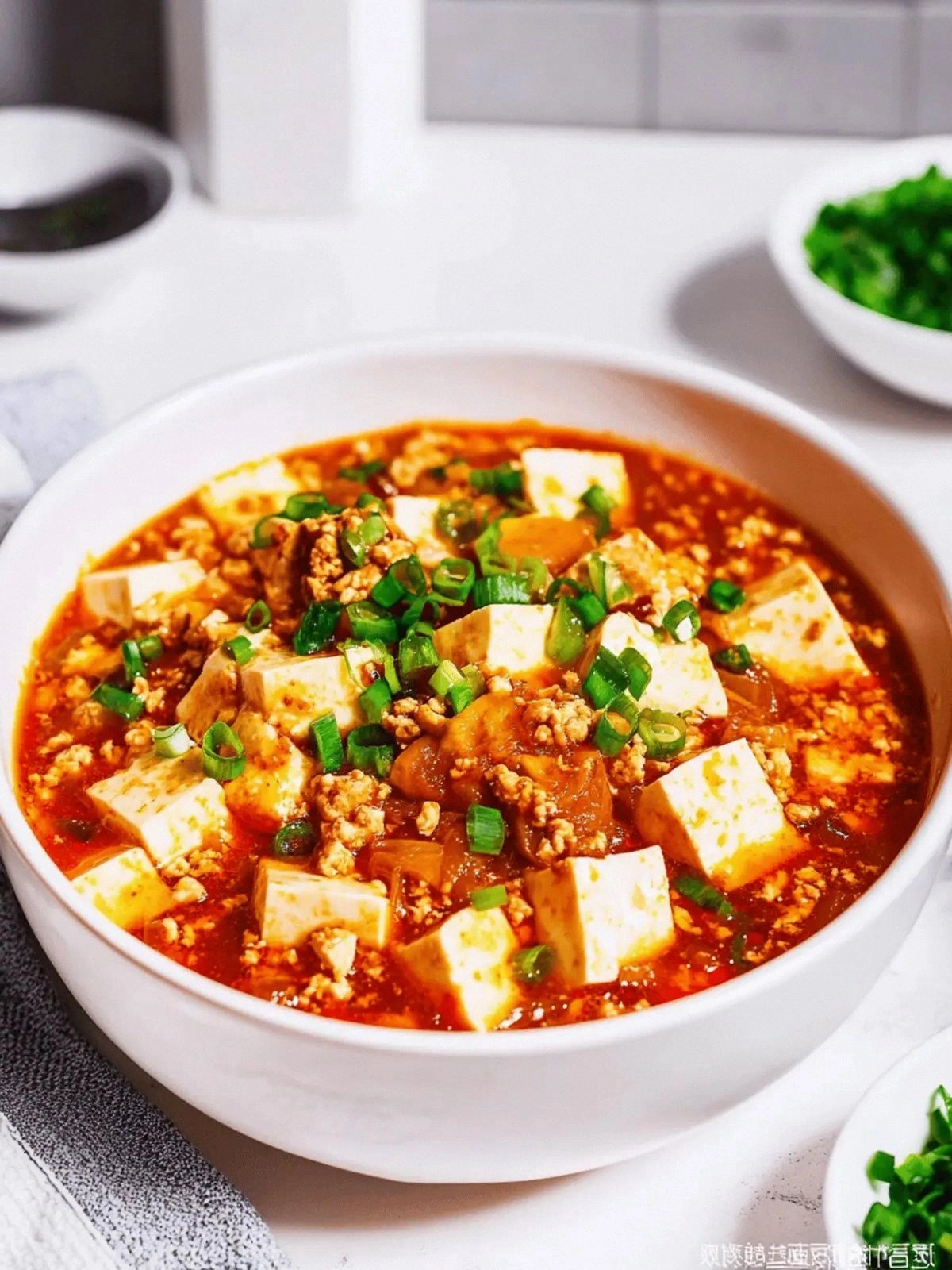
The Method — Step by Step
- Heat the wok. Place a high‑heat wok or deep skillet over medium‑high heat and let it warm for a minute. Add the two tablespoons of cooking oil and swirl until the oil coats the surface. When the oil starts to shimmer, you know it’s ready. This step is crucial because it ensures the tofu gets a quick, gentle sear without sticking.
- Toast the aromatics. Toss in the minced ginger, minced garlic, and Chinese chili pepper flakes. Stir constantly for 30 seconds until the mixture releases a fragrant, nutty aroma. Watch for any burning; if the scent turns bitter, lower the heat immediately. The aromatics form the flavor backbone of the sauce.
- Add the Sichuan peppercorns. Sprinkle the peppercorns over the aromatics and toast for another 15 seconds, stirring so they don’t burn. The peppercorns should release a citrusy fragrance that signals they’re ready. This subtle aroma is what gives mapo tofu its signature tingling sensation.
- Introduce the sauce base. Pour in the two tablespoons of spicy broad bean paste and stir until it melts into the oil, forming a deep red, aromatic sauce. The paste should coat the back of a spoon and give off a savory, fermented scent. This is the moment of truth—if it looks bland, give it another stir.
- Simmer the liquid. Add the cup of water or stock, the teaspoon of chicken bouillon powder, and the teaspoon of granulated sugar. Stir to dissolve the bouillon and sugar completely. Bring the mixture to a gentle boil, then reduce the heat to a simmer for 3 minutes. The sauce should thicken slightly, but not become paste‑like.
- Prepare the tofu. Gently slide the tofu cubes into the simmering sauce, being careful not to break them. Let them cook for 2 minutes, allowing the tofu to absorb the sauce’s flavors. The tofu should remain intact and soft, not mushy.
- Thicken the sauce. Dissolve one tablespoon of cornstarch in a tablespoon of water to create a slurry. Slowly pour the slurry into the wok while stirring constantly. The sauce will begin to thicken and coat the tofu. Keep stirring until the sauce reaches a glossy consistency, about 1–2 minutes.
- Finish with aromatics. Add the toasted sesame oil, sprinkle the Sichuan peppercorns again for extra numbing effect, and stir in the sliced green onions. Let the dish finish cooking for another minute so the flavors meld. The aroma should now be a harmonious blend of earth, spice, and nutty sesame.
- Plate and serve. Transfer the dish to a serving bowl, ensuring each tofu cube is coated in the sauce. Garnish with a few extra green onion slices for color and freshness. Serve immediately over steamed rice or with fluffy noodles to soak up the sauce.
That's it — you did it. But hold on, I've got a few more tricks that'll take this to another level. These insider tips will help you avoid common pitfalls and elevate your mapo tofu to a professional standard.
Insider Tricks for Flawless Results
The Temperature Rule Nobody Follows
Maintaining a consistent temperature is essential. If the wok is too hot, the sauce will burn, and the tofu will brown unevenly. Keep the heat medium‑low once you’ve added the liquid, and use a thermometer if you’re a precision cook. A steady 160–170 °C (320–338 °F) is ideal for a gentle simmer that allows flavors to meld without scorching.
Why Your Nose Knows Best
The aroma of toasted sesame oil and Sichuan peppercorns is a reliable indicator of readiness. When the oil starts to emit a nutty fragrance, you’re ready to add the tofu. If you notice a burnt smell, the oil is too hot and will ruin the delicate balance of flavors.
The 5‑Minute Rest That Changes Everything
After cooking, let the dish rest for five minutes off the heat. The sauce continues to thicken slightly, and the tofu absorbs more flavor. This resting period also allows the Sichuan peppercorns to release their numbing effect fully, giving the dish its signature tingling sensation.
The Secret to a Non‑Sticky Sauce
If you find the sauce sticking to the wok, add a splash of cold water to the slurry before adding it. This dilutes the cornstarch slightly, preventing clumps and ensuring a smooth, glossy finish that coats each tofu cube beautifully.
The Final Touch of Freshness
A quick drizzle of lime juice right before serving adds a bright, acidic note that balances the richness of the sauce. It also cuts through the numbing sensation, giving a clean finish to each bite. I always keep a lime on hand for this final flourish.
Creative Twists and Variations
This recipe is a playground. Here are some of my favorite ways to switch things up:
Spicy Peanut Mapo
Swap the sesame oil for peanut butter and add a tablespoon of ground peanuts. The nutty richness pairs beautifully with the spicy base, creating a new layer of flavor that’s both creamy and fiery.
Mushroom Madness
Add sliced shiitake mushrooms during step five. The earthy umami of the mushrooms complements the fermented bean paste, giving the dish a deeper, forest‑like aroma.
Coconut Cream Mapo
Replace the water or stock with coconut milk for a sweet, tropical twist. The coconut’s mild sweetness balances the heat and gives the sauce a silky, luxurious texture.
Herbal Infusion
Stir in a handful of fresh cilantro or basil right before serving. The herbs add a burst of freshness that cuts through the richness of the sauce and elevates the dish to a whole new level.
Protein Swap
Replace tofu with cubed tempeh or seared shrimp for a protein variation. The tempeh’s nutty flavor complements the sauce, while shrimp adds a delicate sweetness and a different texture.
Storing and Bringing It Back to Life
Fridge Storage
Store the dish in an airtight container in the refrigerator for up to 3 days. The sauce may thicken slightly, but it will remain flavorful. When reheating, add a splash of water to loosen the sauce and bring it back to its silky consistency.
Freezer Friendly
For longer storage, freeze the dish in a freezer‑safe container for up to 2 months. Thaw overnight in the refrigerator, then reheat gently on the stovetop, adding a bit of stock or water to loosen the sauce.
Best Reheating Method
Reheat over low heat, stirring frequently. If the sauce becomes too thick, whisk in a small amount of water or stock until it reaches the desired consistency. A gentle simmer preserves the delicate flavors and ensures the tofu stays soft.