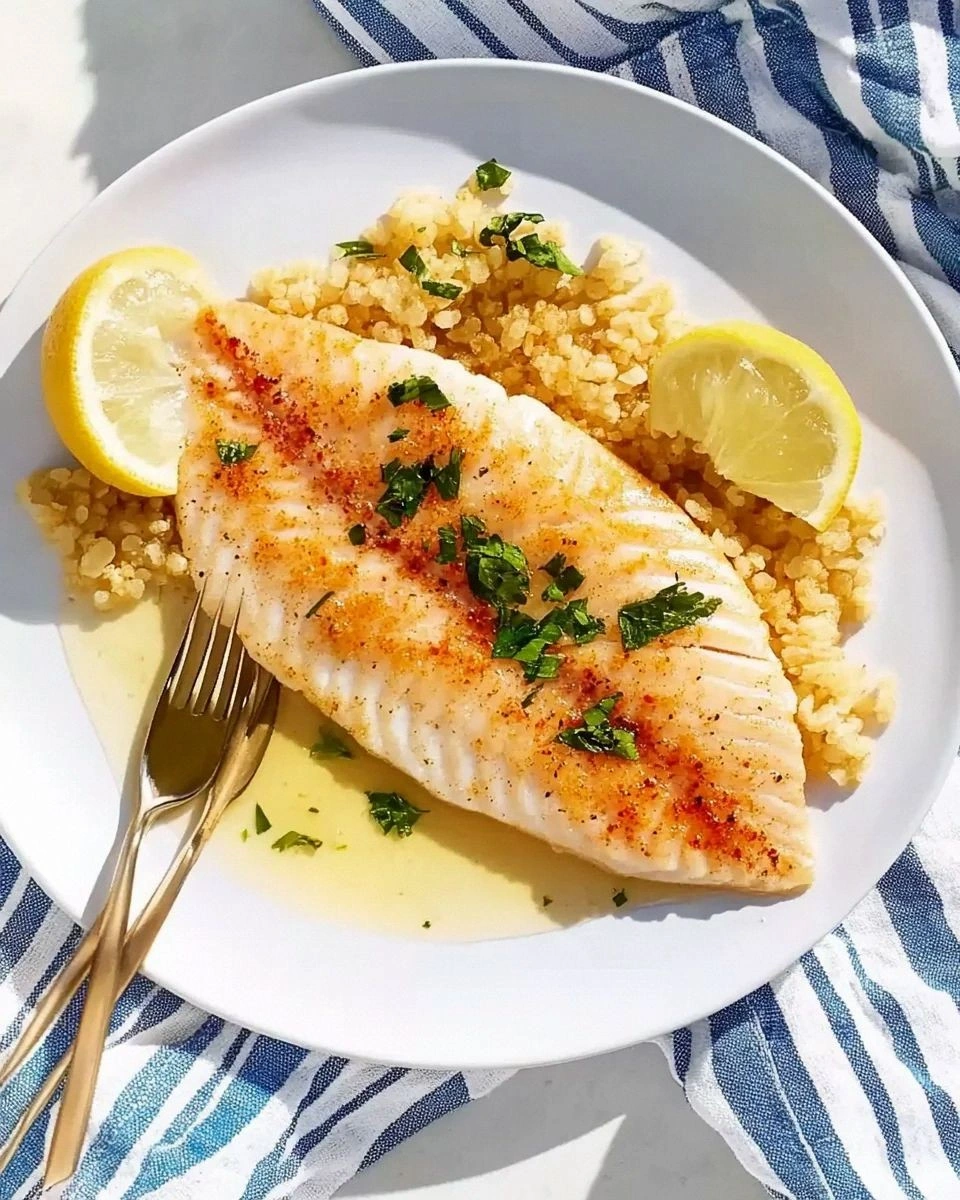
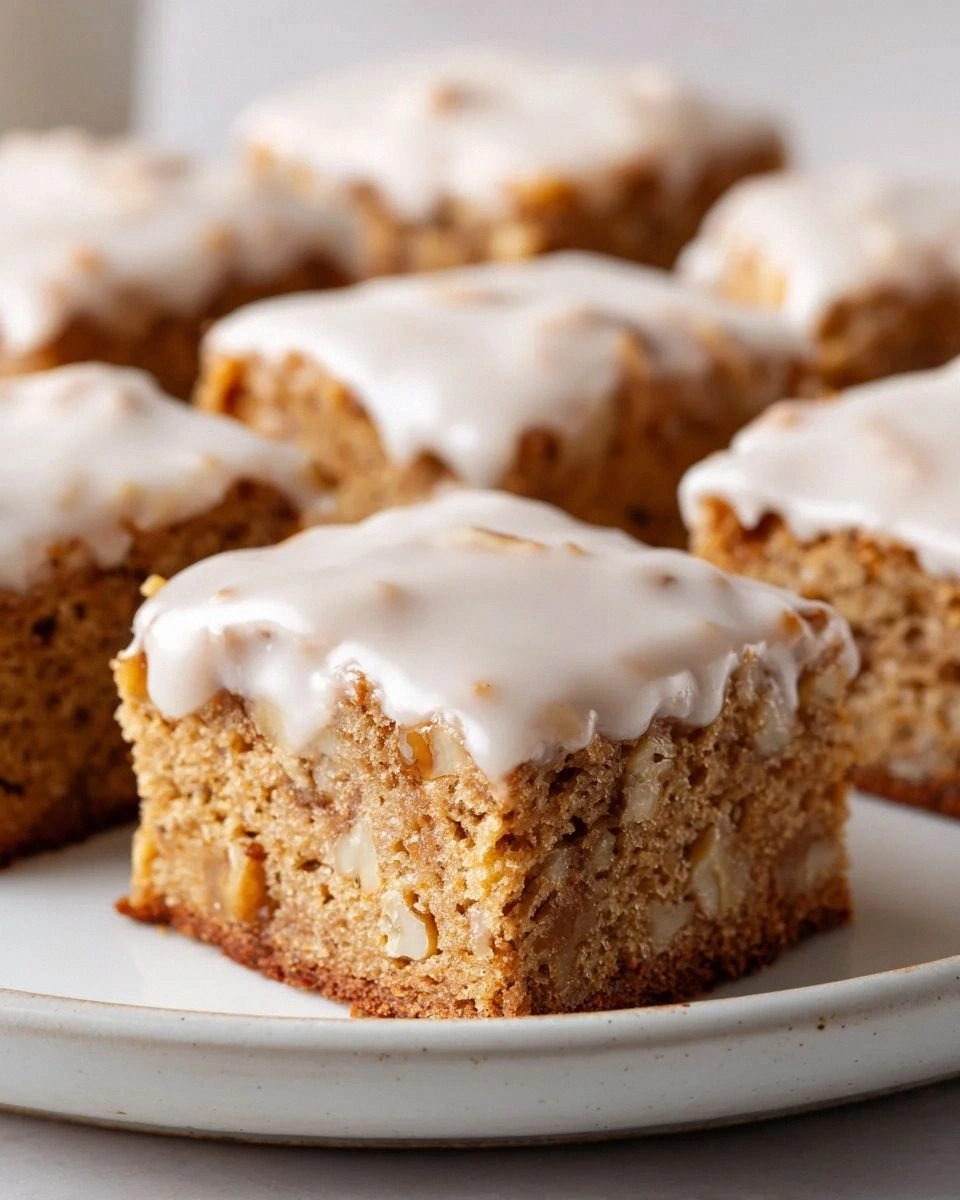
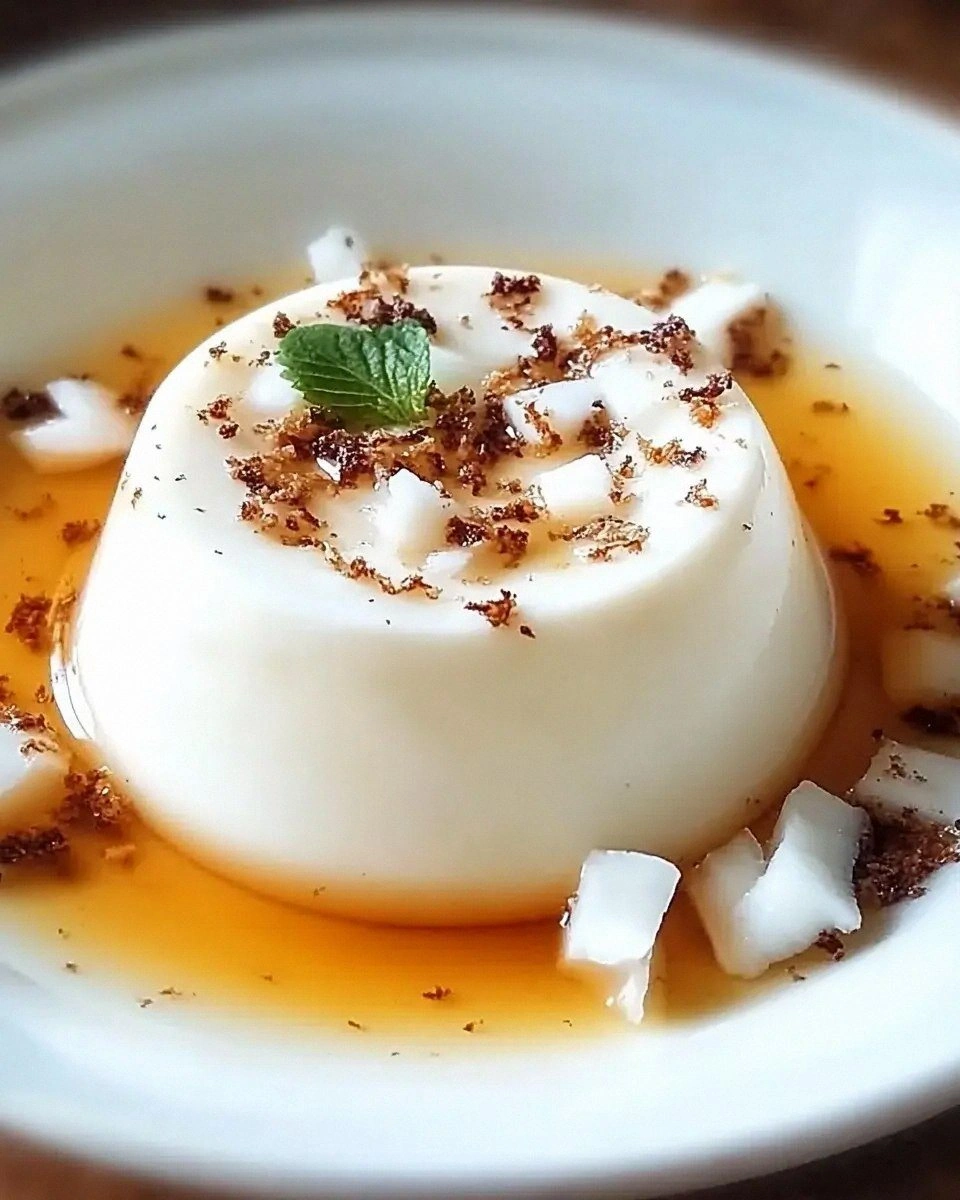
I still remember the morning I accidentally created these pickle-fix hash-brown egg sliders like it was yesterday. There I was, standing in my kitchen at 6:30 AM, hair sticking up in seventeen different directions, desperately trying to cobble together something edible before my in-laws arrived for brunch. My original plan was a sophisticated quiche, but when I realized I had exactly zero pie crusts and my hash browns were already defrosting in a bowl of warm water (don't ask), panic set in. In my caffeine-deprived state, I started throwing things together like a culinary mad scientist — hash browns as buns? Check. Eggs that needed using? Absolutely. And then I spotted the jar of dill pickles sitting there like it was calling my name. Something about that tangy, briny crunch seemed like it could be the answer to my breakfast prayers.
Let me tell you, when those first sliders hit the pan and that glorious sizzle filled my kitchen, I knew I was onto something special. The smell of crispy potatoes mingling with butter and those sharp pickle notes had my neighbors literally knocking on my door to ask what I was making. But here's where it gets really good — when I sandwiched that fluffy scrambled egg between two golden hash-brown patties and took my first bite, time literally stopped. The crunch gave way to creamy egg, the pickle provided that perfect acidic punch to cut through the richness, and suddenly my failed quiche attempt became the best brunch accident of my life. My in-laws devoured them so fast I barely got one for myself, and my mother-in-law still asks for these every single time she visits.
Now, I've perfected this recipe through at least thirty iterations because apparently, I'm the kind of person who gets weirdly obsessed with breakfast foods. I've tested every possible variation — different cheeses, various pickle brands, even attempted a sweet potato version (spoiler: stick with regular potatoes). What I'm sharing today is the absolute gold standard, the version that makes people close their eyes when they take the first bite, the one that converts even pickle-haters into believers. The secret lies in the timing, the temperature, and that magical moment when everything comes together in perfect harmony.
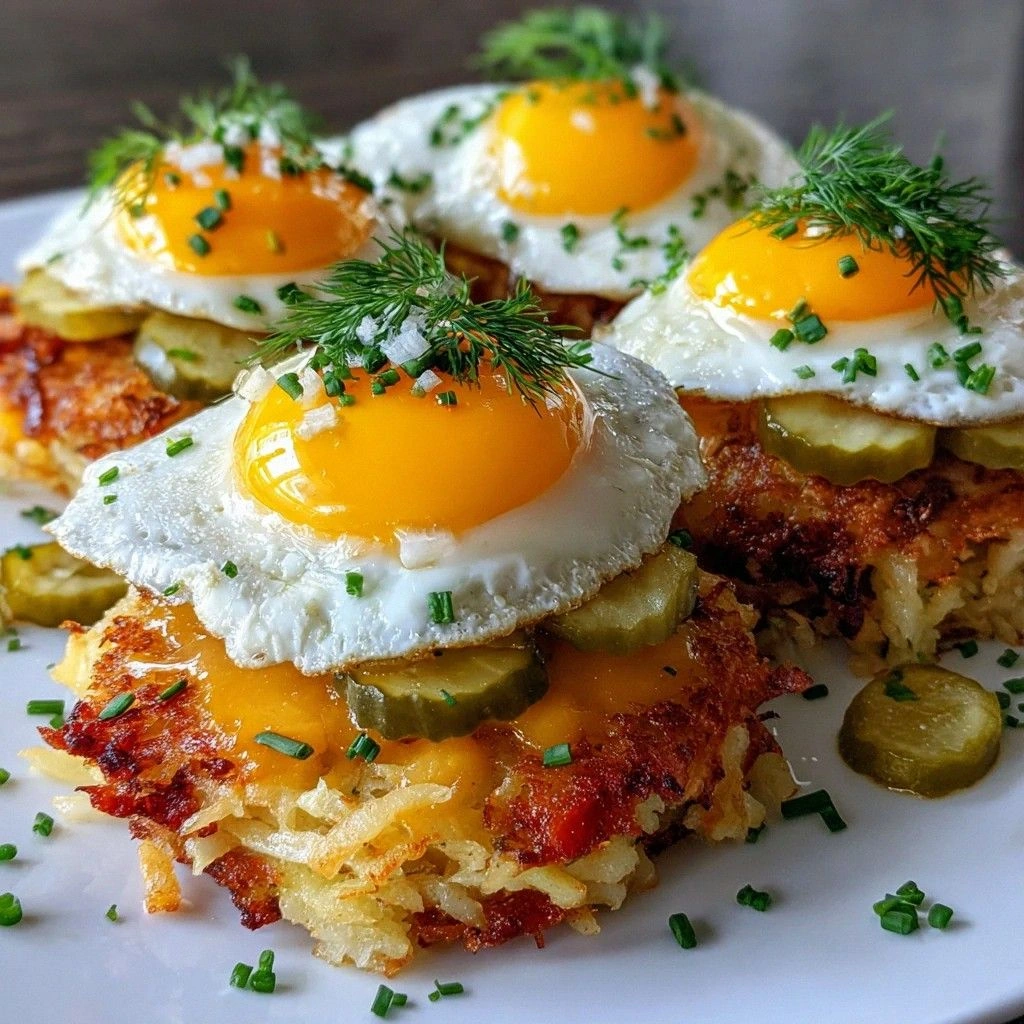
Picture this: golden hash-brown patties so crispy they shatter like autumn leaves under your fork, revealing tender potato within. Between them, scrambled eggs so fluffy they could float away, held together by melted cheddar that creates those Instagram-worthy cheese pulls. And then — here's the kicker — bright, zesty pickle slices that wake up your taste buds and make you wonder why every breakfast sandwich doesn't include this tangy revelation. If you've ever struggled with soggy hash browns or rubbery eggs, you're not alone — and I've got the fix that'll change your breakfast game forever. Let me walk you through every single step — by the end, you'll wonder how you ever made it any other way.
What Makes This Version Stand Out
Crunch Factor: These aren't your sad, floppy hash-brown patties that dissolve into mush. We're talking about edges so crispy they could cut glass, achieved through a specific combination of flour, temperature control, and timing that most recipes completely miss. The exterior forms a shatteringly crisp shell while the inside stays tender and potato-y, creating a textural contrast that'll make you weak in the knees. I dare you to taste this and not go back for seconds.
Pickle Perfection: Most breakfast sandwiches treat pickles like an afterthought, but here they're the star attraction. The briny acidity cuts through all that rich egg and cheese like a culinary lightsaber, brightening every bite and keeping your palate awake and interested. We're using actual pickle slices, not relish, because we want that satisfying crunch and concentrated flavor burst in every mouthful. This is hands down the best version you'll ever make at home.
Foolproof Eggs: Forget everything you think you know about scrambled eggs — we're using a low-and-slow method with a splash of milk that creates clouds of egg so tender they practically dissolve on your tongue. The key is removing them from heat while they're still slightly underdone, letting residual heat finish the cooking. I'll be honest — I ate half the batch before anyone else got to try it because these eggs are that good.
Cheese Strategy: We melt the cheddar directly onto the hot hash-brown patties, not mixed into the eggs, giving you those perfect cheese pulls when you bite into the slider. The cheese acts as a barrier, keeping the bottom bun from getting soggy while adding that nutty, creamy richness that ties everything together. Most recipes get this completely wrong by mixing cheese into the eggs, which just makes them heavy and greasy.
Speed Factor: From frozen hash browns to finished sliders in under 45 minutes, this recipe is designed for real life when you're juggling coffee, kids, pets, or that friend who always shows up early. Everything happens in one pan (okay, two if you count the mixing bowl), minimizing dishes while maximizing flavor. Picture yourself pulling this out of the oven, the whole kitchen smelling incredible, looking like you planned this gourmet feast weeks in advance.
Make-Ahead Magic: These sliders reheat like champions, making them perfect for meal prep or feeding a crowd. The hash-brown patties actually get crispier when reheated in a hot pan, and the whole assembly holds together better after a brief rest. Future pacing here — imagine having a dozen of these babies ready to go for busy weekday mornings.
Inside the Ingredient List
Before we dive into the cooking, let's talk about why each ingredient matters because, trust me, every single one pulls its weight here. I've made these sliders with substitutions that seemed harmless but turned out tragic, so learn from my mistakes and gather these specific players for your breakfast symphony.
The Foundation Crew
Frozen shredded hash browns are absolutely non-negotiable here — fresh potatoes contain too much starch and will turn gummy on you faster than you can say "breakfast disaster." The freezing process actually helps by breaking down cell walls, leading to better texture when they defrost and re-crisp. Make sure you get the shredded variety, not the diced or formed patties, because we need those individual shreds to create our crispy lattice structure. Thaw them completely and squeeze out every last drop of moisture, or you'll end up with sad, soggy sliders that nobody wants to Instagram.
Large eggs aren't just for binding here — they're half the reason these sliders exist. We're using them two ways: as a binder for the potato patties and as our fluffy scrambled component. Room temperature eggs mix more evenly and cook more gently, so pull them out of the fridge when you start thawing the potatoes. If you've ever struggled with rubbery scrambled eggs, you're not alone — and I've got the fix that'll give you pillowy perfection every time.
The Flavor Amplifiers
Garlic powder and onion powder might seem basic, but they're the difference between bland potato cakes and flavor bombs that make people ask for your secret. These powders distribute evenly throughout the potato mixture, giving you consistent flavor in every bite without the moisture that fresh aromatics would add. I learned this the hard way after attempting fresh garlic once — the patties fell apart and the garlic burned before the potatoes cooked through, creating a bitter disaster that even my dog wouldn't eat.
All-purpose flour is our insurance policy against disintegration, creating a delicate network that holds the potatoes together while staying invisible to the palate. Too much and your patties taste like paste, too little and they crumble into hash-brown confetti in the pan. The magic ratio is two tablespoons per cup of thawed potatoes, but I always add an extra teaspoon because I'd rather have slightly dense patties than a pan full of potato shrapnel.
The Richness Factors
Whole milk transforms our scrambled eggs from merely good to absolutely transcendent, adding just enough fat to create that creamy, almost custard-like texture we're chasing. Skim milk won't cut it here — you need the fat to prevent the proteins from tightening up and turning your eggs into yellow rubber. And here's the kicker — we add it at the very end of scrambling, not at the beginning, which keeps the eggs tender instead of watery.
Real butter for scrambling isn't negotiable, so don't even think about that margarine impostor in your fridge. Butter adds flavor compounds that you simply can't replicate with oil, and it helps create those lacy, golden edges on the eggs that add textural interest. Clarified butter works if you're worried about burning, but I say embrace the browned butter notes — they add nutty complexity that plays beautifully with the sharp pickles.
The Show-Stoppers
Sharp cheddar cheese brings the melty, gooey factor that makes these sliders feel indulgent rather than virtuous. We want the sharp variety because it has more flavor impact per ounce, meaning we can use less cheese without sacrificing that rich, comforting taste. Pre-shredded cheese contains anti-caking agents that prevent smooth melting, so buy a block and shred it yourself — your cheese pulls will thank you, and so will your guests who are trying to eat gracefully.
Dill pickle slices are the plot twist that elevates this from a good breakfast sandwich to a legendary one. Don't you dare use bread and butter pickles here — we need that aggressive vinegar bite to cut through all the richness. Look for pickles with visible dill fronds and garlic cloves in the jar, signs of proper fermentation and complex flavor development. I've made these with fancy cornichons, regular deli pickles, and even spicy pickles, but classic dill provides the perfect balance of acid and herb that makes these sliders addictive.
The Method — Step by Step
- Start by thawing your hash browns completely — and I mean completely, not that half-hearted defrost that leaves ice crystals in the middle. Spread them on a kitchen towel, roll it up like a jelly roll, and squeeze like your life depends on it. You want to remove every last drop of moisture because water is the enemy of crispiness, and we're building crispy castles here, not soggy swamps. This step alone will take your patties from amateur hour to professional grade, creating that shatteringly crisp exterior that makes people close their eyes when they bite into it.
- In a large bowl, combine your thoroughly dried hash browns with one beaten egg, the flour, garlic powder, onion powder, salt, and pepper. Mix gently with your hands — yes, your hands — because you need to feel when the mixture comes together. It should hold its shape when squeezed but still feel light and airy, not dense like potato play-doh. If it crumbles apart, add another teaspoon of flour; if it feels wet and heavy, you've got moisture issues and need to squeeze more. This is the moment of truth where many recipes go wrong by over-mixing, developing the potato starch into glue.
- Heat a large skillet over medium-high heat and add enough oil to create a thin film across the bottom — about two tablespoons should do it. While the oil heats, form your potato mixture into twelve small patties, each about the size of a hockey puck but half as thick. The key here is consistent sizing so they cook evenly, because nothing ruins breakfast like some sliders burnt to charcoal while others are still raw in the middle. When the oil shimmers and moves like water, you're ready for the magic to happen.
- Carefully place six patties in the hot oil and resist the urge to move them — I know it's hard, but trust the process. Let them cook for 3-4 minutes until the edges turn golden brown and the bottom forms a crisp crust. The sizzle when they hit the pan? Absolute perfection. Slide a thin spatula underneath and peek — when they're ready to flip, they'll release easily without tearing. Flip them gently and cook another 2-3 minutes on the second side, then transfer to a paper towel-lined plate. Repeat with the remaining six patties, adding more oil if needed.
- Now for the scrambled eggs — and this next part? Pure magic. Crack your remaining eggs into a bowl and beat them just until the yolks and whites combine, no need to whip air into them. Heat a non-stick pan over low heat and add the butter, letting it melt slowly without browning. When the butter is foamy but not colored, pour in the eggs and let them sit undisturbed for 30 seconds. Then, using a rubber spatula, push the cooked edges toward the center, letting the uncooked egg flow underneath. This gentle method creates curds so tender they practically melt.
- When the eggs are about 75% set but still look slightly wet, drizzle in the milk and remove from heat. The residual heat will finish cooking them to perfect doneness without turning them rubbery. Season with a pinch of salt and pepper, then fold in any optional additions like chives or scallions. The eggs should look glossy and almost underdone — they'll continue cooking from residual heat, and we want them creamy, not dry and crumbly. Set them aside while we assemble the magic.
- Assembly time — and now the fun part! Take your crispiest six hash-brown patties and place them on a clean surface, then immediately top each with a generous pinch of shredded cheddar. The heat from the patties will start melting the cheese, creating that perfect glue for our sandwich structure. Divide the scrambled eggs among the cheese-topped patties, mounding them slightly in the center because we're going for maximum impact here, not dainty tea sandwiches.
- Top the eggs with pickle slices — I use three per slider, arranged like a little pickle flower so every bite gets that bright, acidic kick. Add red onion if you're using it, but go easy — we're enhancing flavors here, not creating onion breath that'll knock out your coworkers. Crown each stack with the remaining hash-brown patties, pressing down gently to create a cohesive sandwich that won't fall apart when you pick it up.
- The final step is crucial for cheese integration — place the assembled sliders back in the warm pan (heat turned off but still warm) for 30 seconds per side. This melts the cheese completely, fusing everything together into a cohesive unit that you can actually pick up and eat like a proper slider. Serve immediately while the exterior is still crispy and the interior is warm and melty, because these wait for no one and are at their peak for exactly five minutes after assembly.
That's it — you did it. But hold on, I've got a few more tricks that'll take this to another level...
Insider Tricks for Flawless Results
The Temperature Rule Nobody Follows
Here's the thing that separates breakfast rockstars from mere mortals: temperature control is everything, and I mean everything. Your hash-brown patties need to hit oil that's hovering between 350-375°F — hot enough to create an instant sear that locks in the structure, but not so hot that the outside burns before the inside cooks through. I test by dropping a tiny piece of potato in the oil — it should sizzle immediately but not go crazy like it's trying to escape the pan. A friend tried skipping this step once and ended up with raw potato centers encased in charcoal shells that could've been used as hockey pucks.
The 5-Minute Rest That Changes Everything
After forming your potato patties, let them rest on a wire rack in the fridge for at least five minutes before cooking. This seemingly pointless step allows the flour to fully hydrate and create a stronger binding network, plus the cold temperature helps the patties hold their shape when they hit the hot oil. The starch molecules have time to gel, creating invisible glue that prevents disintegration. I discovered this accidentally when my doorbell rang mid-prep, and those rested patties held together like champions while the ones I cooked immediately crumbled into hash-brown confetti.
Why Your Nose Knows Best
Your sense of smell is the most underutilized tool in breakfast cooking, especially when it comes to knowing when to flip those hash-brown patties. When they're ready to turn, you'll smell it — the aroma shifts from raw potato to toasty, nutty, almost popcorn-like. This happens right before they reach peak golden color, giving you a 30-second window for perfect flipping. The same goes for your scrambled eggs — when they stop smelling eggy and start smelling buttery and almost sweet, they're done. Most recipes get this completely wrong by relying solely on visual cues, but your nose knows things your eyes can't see.
The Cheese Placement Strategy
Here's where we get strategic about cheese placement for maximum melt and minimum mess. Instead of mixing cheese into the eggs where it gets lost and makes them heavy, we place it directly on the hot hash-brown patties where it melts into every nook and cranny. Then the warm eggs go on top, keeping the cheese in a perpetual state of gooey perfection. The bottom patty gets cheese on top, the top patty gets cheese on the bottom — creating a cheese barrier that prevents the hash browns from getting soggy while ensuring every bite has that melty, stringy goodness that makes people make involuntary happy noises.
The Pickle Pat-Pat Technique
Before adding your pickle slices, give them a gentle pat with paper towels to remove excess brine — not because we want to reduce flavor, but because too much moisture will steam the sandwich and destroy our crispy hash-brown architecture. You want them damp, not dripping, so they provide that bright acidic kick without turning your slider into a soggy mess. I learned this after creating what I call "pickle soup sliders," where the brine pooled in the bottom and turned the hash browns into sad, mushy disks that fell apart in your hands. The pat-pat technique keeps the crunch while preserving all that tangy flavor we crave.
Creative Twists and Variations
This recipe is a playground. Here are some of my favorite ways to switch things up:
The Southwest Kick
Swap the cheddar for pepper jack, add a dash of cumin and smoked paprika to the potato mixture, and top with pickled jalapeños instead of dill pickles. The smoky heat plays beautifully against the cool acidity of the pickles, creating a breakfast slider that'll wake up your taste buds faster than a triple espresso. Add some fresh cilantro to the eggs and you've got a handheld fiesta that makes regular breakfast burritos feel boring.
The Everything Bagel Version
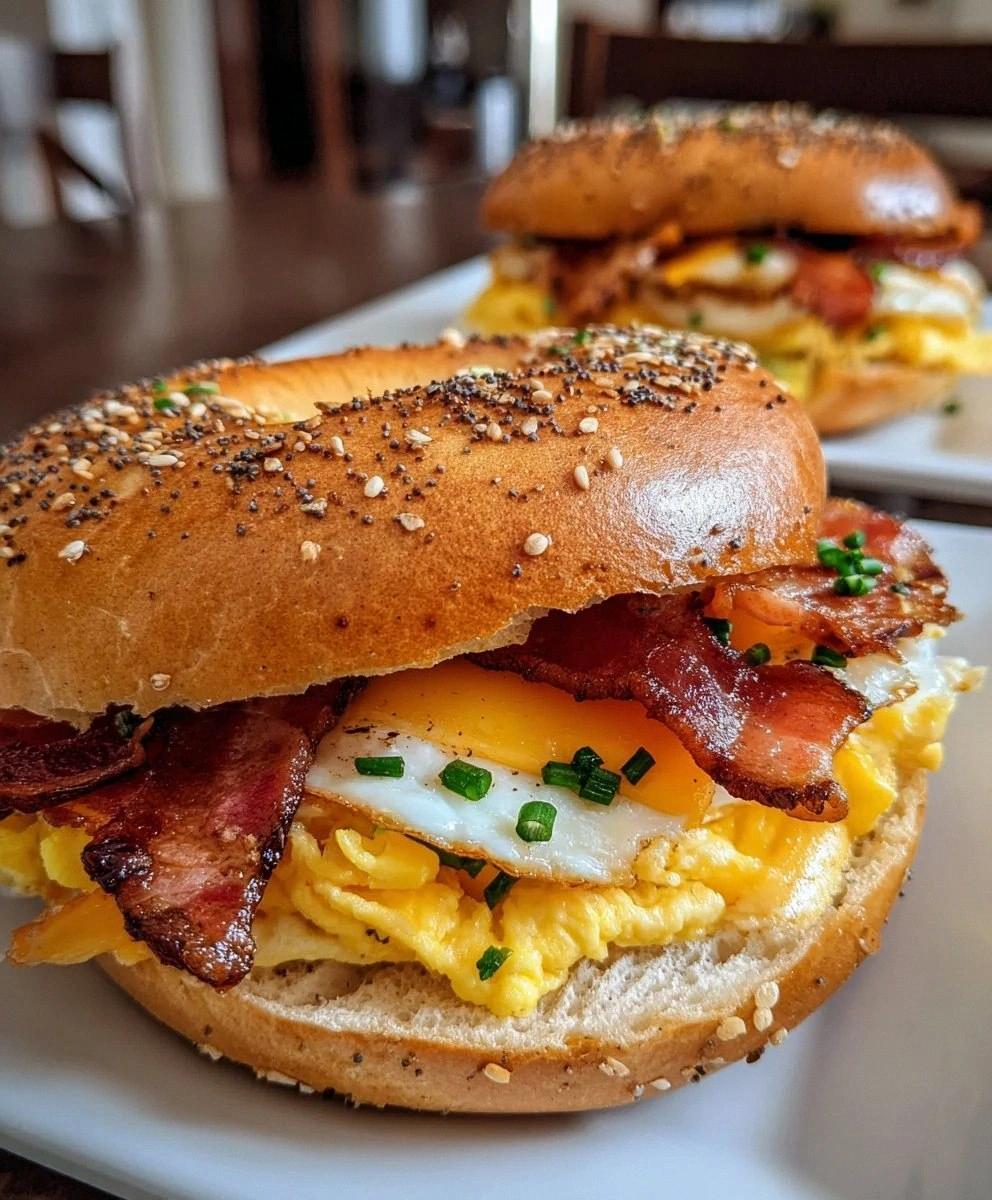
Mix everything bagel seasoning into your potato patties and use cream cheese instead of cheddar for that authentic bagel shop experience. Top with capers and thinly sliced red onion instead of pickles — it's like having your favorite bagel sandwich but with the added bonus of crispy hash-brown buns that don't require toasting. This version is particularly dangerous because you'll want to eat six of them while convincing yourself it's basically just eggs and potatoes.
The Breakfast Club Remix
Add crumbled bacon to the scrambled eggs and use Swiss cheese instead of cheddar for a Reuben-inspired breakfast slider. Replace the pickles with sauerkraut that's been squeezed dry, and add a thin swipe of thousand island dressing to the hash-brown patties. It's like someone took your favorite deli sandwich and turned it into breakfast, which honestly should be a food group all its own.
The Green Goddess
Fold fresh herbs — dill, chives, parsley, and tarragon — into both the potato mixture and the scrambled eggs. Use goat cheese instead of cheddar for tangy creaminess, and add thin cucumber slices along with the pickles for extra crunch. This version tastes like spring morning in California, all bright and herbaceous with that satisfying crispy-creamy contrast that makes you feel virtuous while still indulging.
The Truffle Shuffle
Add a few drops of truffle oil to the potato mixture and use aged white cheddar for deeper flavor. Top with cornichons instead of regular pickles for a more sophisticated acidic punch. This is the version you serve when you want to impress people who think they know breakfast — it's familiar enough to be comforting but elevated enough to feel special. Just go easy on the truffle oil or you'll feel like you're eating a forest.
The Hangover Helper
Add a dash of hot sauce to the eggs and use extra-sharp cheddar for maximum flavor impact. Replace regular pickles with spicy pickle chips and add a fried egg on top of the scrambled eggs for double egg power. Serve with a side of pickle brine (trust me on this one) for the ultimate morning-after recovery food. This is the slider that brings people back from the dead after a rough night out.
Storing and Bringing It Back to Life
Fridge Storage
These sliders store surprisingly well in the fridge for up to three days, but they need proper handling to maintain their structural integrity. Let them cool completely, then wrap each slider individually in parchment paper before placing in an airtight container. The parchment prevents condensation from making the hash browns soggy while keeping them from drying out. Store them in a single layer if possible — stacking creates pressure that can crush your crispy edges into sad, flat disappointments. If you must stack, separate layers with more parchment and don't go higher than two levels or you'll end up with breakfast slider pancakes.
Freezer Friendly
These freeze like champions for up to two months, making them perfect for meal prep emergencies. Flash freeze them first by placing individual sliders on a parchment-lined baking sheet for two hours, then transfer to freezer bags with parchment between layers. This prevents them from fusing together into one giant breakfast brick that requires a chisel to separate. When you're ready to eat, don't defrost them — go straight from freezer to reheating method of choice. The hash-brown patties actually benefit from the freezing process, developing an even crispier exterior when reheated.
Best Reheating Method
The oven is your friend for reheating these beauties, bringing them back to almost-fresh glory. Preheat to 400°F, place sliders on a wire rack over a baking sheet, and heat for 8-10 minutes until hot throughout. The wire rack allows hot air to circulate underneath, re-crisping the bottom while the top stays crunchy. Skip the microwave unless you enjoy rubbery eggs and soggy hash browns — it's the fastest way to breakfast disappointment. If you're in a hurry, a dry skillet over medium heat works too, just cover it for the first minute to warm the inside, then uncover to recrisp the exterior.