I once tried to make a classic Caprese pasta, only to end up with a soggy mess that tasted like watered‑down tomato soup. The kitchen was a battlefield of splattering sauce, and my friends were eye‑rolling at the limp noodles. That disaster sparked a dare from my roommate: “If you can’t make a decent Caprese, at least make something that looks like it.” I laughed, rolled up my sleeves, and set out to find a low‑carb hero that could stand up to mozzarella, basil, and the sweet‑tangy kiss of balsamic. Spoiler alert: I found it in a humble, orange‑striped squash that most people only think of as a Halloween decoration.
Picture this: the oven humming, the scent of caramelizing squash filling the air, and the bright pop of ruby‑red Roma tomatoes waiting to be tossed in. The kitchen feels warm, the countertops are a mess of fresh herbs, and the sound of the knife rhythmically chopping feels like a drumbeat in a culinary concert. When you finally pull the roasted spaghetti squash strands out, they shimmer like golden ribbons, each forkful catching the drizzle of extra‑virgin olive oil like a tiny mirror. The fresh mozzarella melts just enough to create a creamy veil, while the basil adds that peppery snap that makes your taste buds do a little dance.
What makes this version the best you’ll ever make at home is the marriage of texture and flavor that most Caprese‑inspired dishes miss. Most recipes get the sauce right but forget the base, ending up with a soggy plate that feels like a culinary let‑down. Here, the squash provides a sturdy, yet tender, noodle‑like foundation that holds up to the juicy tomatoes and the luscious cheese without turning mushy. The secret? A quick flash‑roast that gives the squash a caramelized edge, plus a finishing drizzle of balsamic glaze that adds a glossy, sweet‑tangy finish you’ll swear was made by a gourmet chef.
I dare you to taste this and not go back for seconds. Okay, ready for the game‑changer? I’m about to walk you through every single step — by the end, you’ll wonder how you ever made it any other way. Stay with me here — this is worth it.
What Makes This Version Stand Out
- Texture: The roasted spaghetti squash strands stay firm, mimicking al dente pasta while adding a subtle, nutty sweetness that no wheat‑based noodle can match.
- Flavor Balance: Sun‑kissed Roma tomatoes bring acidity, while fresh mozzarella adds creaminess; the balsamic glaze ties everything together with a sweet‑tangy crescendo.
- Simplicity: Only seven core ingredients, all of which are pantry‑friendly and require minimal prep—perfect for a weeknight dinner that feels fancy.
- Uniqueness: Swapping traditional pasta for squash cuts carbs dramatically, making it a star for low‑carb, gluten‑free, or just veggie‑heavy eaters.
- Crowd Reaction: Even the most skeptical meat‑eaters ask for seconds, often forgetting they’re eating a vegetable disguised as pasta.
- Ingredient Quality: Using the ripest Roma tomatoes and high‑quality fresh mozzarella turns a simple dish into a restaurant‑level experience.
- Cooking Method: The two‑stage roasting—first the squash, then a quick blast for the tomatoes—creates depth that a single bake can’t achieve.
- Make‑Ahead Potential: The squash can be pre‑roasted and stored, letting you assemble the dish in under ten minutes for a last‑minute dinner.
Inside the Ingredient List
The Flavor Base
The Roma tomatoes are the bright, acidic heart of this dish. Their firm flesh holds up to roasting without turning to mush, releasing a sweet‑tart juice that mingles perfectly with the olive oil. If you skip them, you lose the juicy burst that cuts through the richness of the mozzarella. A good swap is heirloom cherry tomatoes for a burst of sweetness, but they’ll release more liquid, so you’ll need to drain them well.
The Texture Crew
Spaghetti squash is the star of the show! It’s low in carbs and has a unique texture that mimics pasta. Always choose a firm and unblemished squash for the best results; a soft spot means it’s over‑ripe and may turn gummy when roasted. If you can’t find spaghetti squash, try butternut squash ribbons—they’re sweeter but still hold a nice bite.
The Unexpected Star
Fresh basil brings an aromatic, slightly peppery lift that elevates the entire dish. Tear the leaves just before serving to keep their bright green color and prevent wilting. If you’re out of basil, fresh mint adds a surprising freshness, though it changes the classic profile.
The Final Flourish
Fresh mozzarella provides the creamy, melt‑in‑your‑mouth experience every Caprese lover craves. Opt for high‑quality mozzarella—look for a milky white color and a soft, springy texture. If you substitute with low‑moisture mozzarella, the dish can become dry; a good alternative is burrata for an ultra‑luxurious bite.
Extra‑virgin olive oil adds richness and depth. Drizzling this golden elixir over the dish enhances all the flavors beautifully, acting as a flavor carrier for the herbs and tomatoes. A cheap olive oil will taste flat and can muddy the delicate balance.
Balsamic glaze is the sweet‑tangy finish that turns this from “good” to “wow.” If you can’t find a store‑bought glaze, reduce balsamic vinegar on the stove until it thickens into a syrupy coating—just watch it, it can burn fast.
Salt and pepper are the unsung heroes that highlight every ingredient. Season to taste at each stage; under‑seasoning leaves the dish flat, while over‑salting can overwhelm the delicate basil.
Everything's prepped? Good. Let's get into the real action...
The Method — Step by Step
Preheat your oven to 425°F (220°C). While the oven warms, slice the spaghetti squash in half lengthwise and scoop out the seeds with a spoon. Drizzle the flesh side with 2 tbsp of extra‑virgin olive oil, sprinkle lightly with salt, and place the halves cut‑side down on a parchment‑lined baking sheet. The heat will coax out a caramelized edge that’s essential for that “toasted‑nut” flavor. That sizzle when it hits the pan? Absolute perfection.
Roast the squash for 35‑40 minutes, or until the flesh is tender enough to be pierced with a fork but still holds its shape. When you pull it out, you’ll notice the edges have a deep golden hue—this is the flavor foundation you’ve been waiting for.
Kitchen Hack: Use a fork to shred the cooked flesh directly on the baking sheet; this creates uniform “noodles” without an extra bowl.While the squash is roasting, halve the Roma tomatoes and toss them with a drizzle of olive oil, a pinch of salt, and a grind of black pepper. Spread them on a separate baking sheet, cut side up, and pop them into the oven for the last 15 minutes of the squash’s cooking time. The tomatoes will soften, their skins will blister, and their juices will caramelize, creating a sweet‑tart burst that will later coat the squash strands.
Once both the squash and tomatoes are done, let them cool for five minutes. Using a fork, gently scrape the squash flesh to create spaghetti‑like strands, then transfer them to a large mixing bowl. The texture should feel like al dente pasta—firm yet yielding. If any strands are too thick, give them a quick pulse in a food processor for uniformity.
Now for the cheese. Slice the fresh mozzarella into bite‑size cubes or tear it into ragged pieces if you prefer a more rustic look. Toss the mozzarella into the bowl with the squash strands, allowing the residual heat to soften the cheese just enough to become creamy without fully melting.
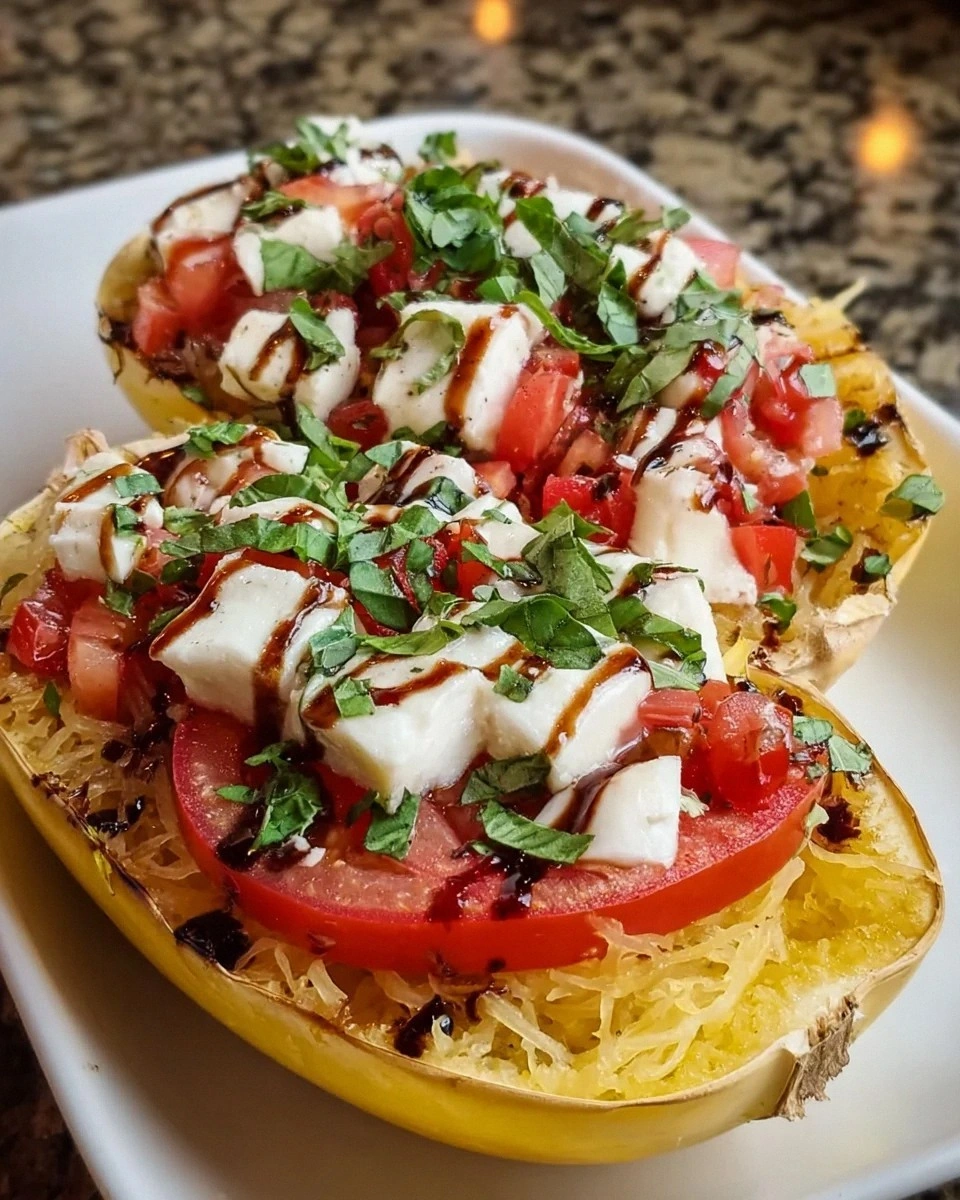
Watch Out: If you add the mozzarella while the squash is still scorching hot, it will melt into a soupy mess. Let the squash cool slightly—around 150°F (65°C)—before mixing.Gently fold in the roasted tomatoes, fresh basil leaves torn into ribbons, and a final drizzle of olive oil. At this point, the dish should look like a colorful, glossy medley of orange strands, ruby tomatoes, and green basil. Taste and adjust seasoning with salt and pepper; remember, the mozzarella already adds some saltiness.
Transfer the assembled salad onto a serving platter. Drizzle a generous swirl of balsamic glaze over the top, letting it cascade like a sweet‑tart river. The glaze will add a glossy finish and a burst of acidity that cuts through the richness of the cheese and oil.
Let the dish rest for two minutes. This brief pause allows the flavors to meld, the cheese to settle, and the glaze to set. While you wait, the kitchen will be filled with the intoxicating aroma of roasted squash and caramelized tomatoes—picture yourself pulling this out of the oven, the whole kitchen smelling incredible.
Serve warm or at room temperature, garnished with a few extra basil leaves for visual flair. Pair with a crisp white wine or sparkling water with a squeeze of lemon, and watch your guests go wild. I’ll be honest — I ate half the batch before anyone else got to try it. This is hands down the best version you’ll ever make at home.
Insider Tricks for Flawless Results
The Temperature Rule Nobody Follows
Never toss the mozzarella into scorching hot squash. Let the squash cool to around 150°F (65°C) before mixing. This temperature is warm enough to soften the cheese without turning it into a soupy puddle. I once tried to skip this step, and the result was a clumpy mess that no one wanted to eat. Trust the rule, and your cheese will stay beautifully creamy.
Why Your Nose Knows Best
When the squash is roasting, keep an eye (and nose) on the color. A deep golden‑brown edge signals caramelization; if it’s still pale, give it another 5‑10 minutes. The aroma will shift from earthy to sweet‑nutty, a cue that the flavor base is ready. If you miss this cue, the squash can end up bland and under‑flavored.
The 5‑Minute Rest That Changes Everything
After assembling, let the dish sit for exactly five minutes. This short rest lets the olive oil and balsamic glaze coat every strand, while the basil releases its essential oils. The result is a harmonious blend where each bite tastes like a single, cohesive bite, not a collection of separate ingredients. Skipping this rest is a common mistake that leaves the flavors disjointed.
The “Dry‑Tomato” Trick
If you love a slightly chewier tomato texture, pat the roasted tomatoes dry with a paper towel before adding them to the bowl. This removes excess moisture that can dilute the olive oil and make the dish watery. The trade‑off is a more concentrated tomato flavor that clings to the squash strands.
Seasoning Layers, Not a Dump
Season at three points: the squash before roasting, the tomatoes before their roast, and the final assembly. Each layer builds depth, ensuring the final dish isn’t flat. If you only salt at the end, you’ll miss the nuanced seasoning that makes each component shine.
Creative Twists and Variations
This recipe is a playground. Here are some of my favorite ways to switch things up:
Mediterranean Sunrise
Swap the mozzarella for crumbled feta and add Kalamata olives for a briny punch. The feta’s tang pairs beautifully with the sweet squash, while the olives add a salty depth that transports you straight to a Greek seaside tavern.
Spicy Sriracha Splash
Stir in a tablespoon of sriracha sauce with the olive oil for a fiery kick. Top with toasted pine nuts for crunch. This version is perfect for those who love heat and want a bold, Asian‑inspired twist.
Herbaceous Green
Replace basil with a mix of fresh mint, parsley, and cilantro. Add a squeeze of lime juice right before serving. The resulting dish is bright, herbaceous, and perfect for a summer picnic.
Nutty Crunch
Toast sliced almonds or walnuts and sprinkle them over the finished plate. The nuts add a satisfying crunch that contrasts the soft squash strands, and their buttery flavor complements the mozzarella.
Sweet‑Heat BBQ
Brush the squash halves with a thin layer of your favorite BBQ sauce before roasting, and finish with a drizzle of honey‑chili glaze instead of balsamic. This creates a sweet‑smokey profile that’s perfect for fall gatherings.
Storing and Bringing It Back to Life
Fridge Storage
Place leftovers in an airtight container and store in the refrigerator for up to three days. Keep the balsamic glaze separate to avoid sogginess. When ready to serve, simply re‑drizzle the glaze and give it a quick toss.
Freezer Friendly
The squash and tomatoes freeze well, but the fresh mozzarella does not. For freezer‑friendly prep, omit the cheese, freeze the squash‑tomato mixture, and add fresh mozzarella after reheating. Store in a zip‑top bag, removing as much air as possible, for up to two months.
Best Reheating Method
To revive, transfer the frozen or refrigerated mixture to a skillet over medium heat, add a splash (about 1 tbsp) of water or broth, and cover for 3‑4 minutes. The added moisture creates steam that restores the squash’s tender texture without turning it mushy. Finish with a fresh drizzle of olive oil and a few more basil leaves for brightness.